Nagase & Nippon Express Strengthen Semiconductor Supply Chain in Dholera
Key Highlights
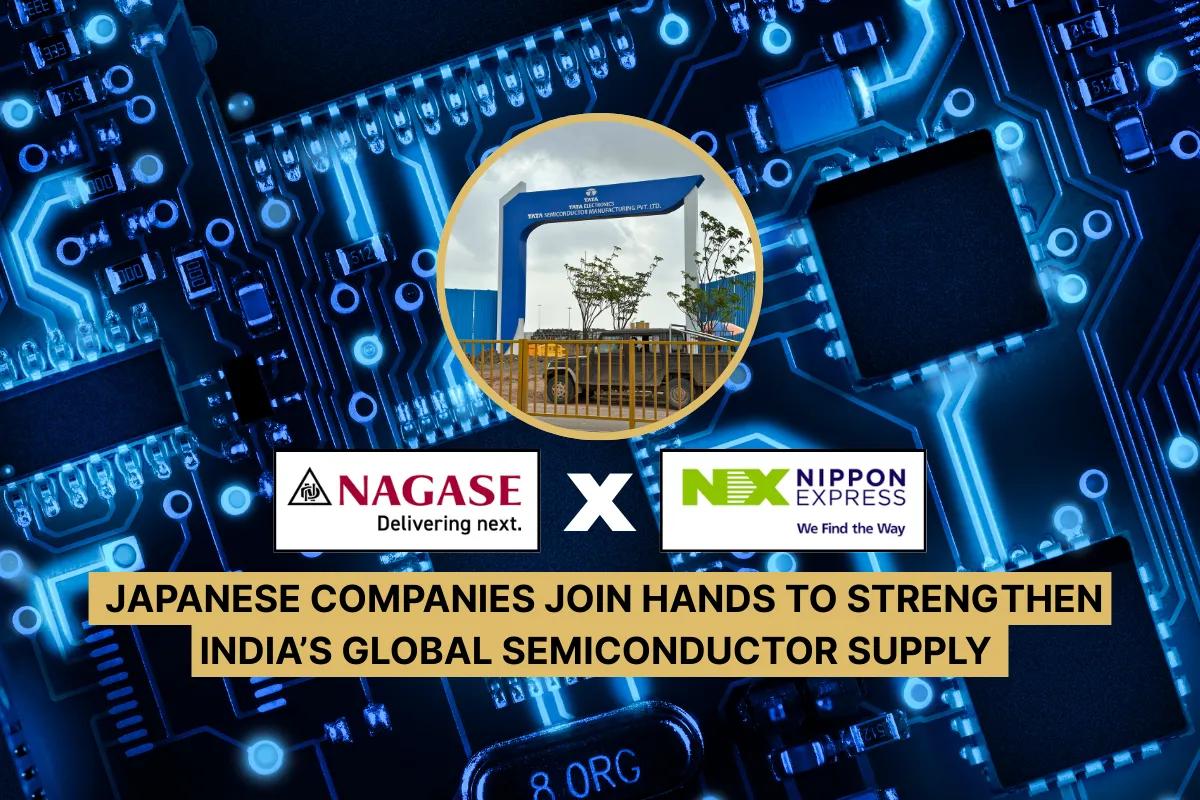
In December 2025, Japanese giants Nagase & Co. and Nippon Express (NX Group) signed a landmark Memorandum of Understanding (MoU) to establish a high-tech supply chain infrastructure in India. This collaboration is specifically designed to support the Dholera Special Investment Region (SIR), which is rapidly emerging as the heart of the India Semiconductor Mission.
A Fusion of Commercial and Logistics Expertise
The partnership leverages the unique strengths of both companies to address the complex requirements of the electronics and semiconductor manufacturing industry in India. By merging specialty material supply with precision logistics, the alliance ensures that the "raw ingredients" for chips are handled with world-class precision.
- Nagase & Co. (The Material Specialists): Focuses on sourcing and supply of high-purity chemicals, gases, and materials essential for semiconductor manufacturing in India.
- Nippon Express (The Logistics Leaders): Manages specialized transportation and storage, including temperature-controlled and vibration-free handling of sensitive components.
Powering the Semiconductor Supply Chain: The Tata-PSMC Connection
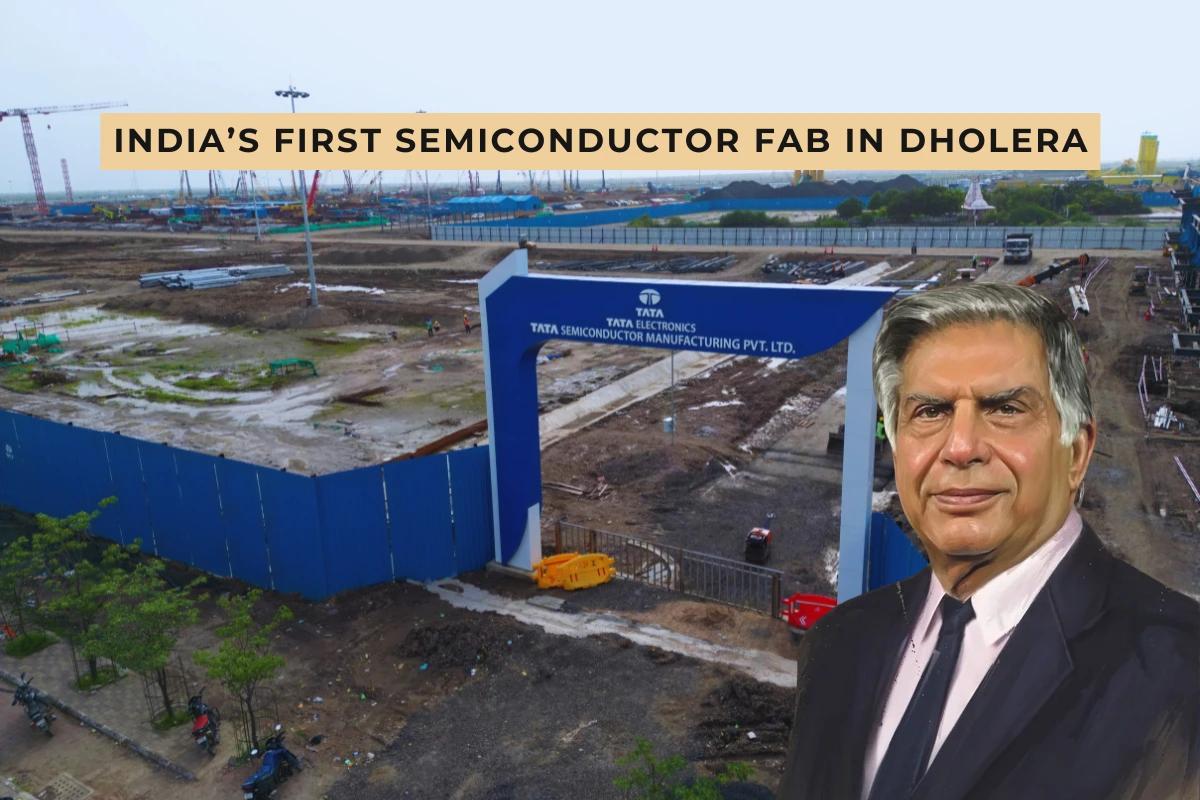
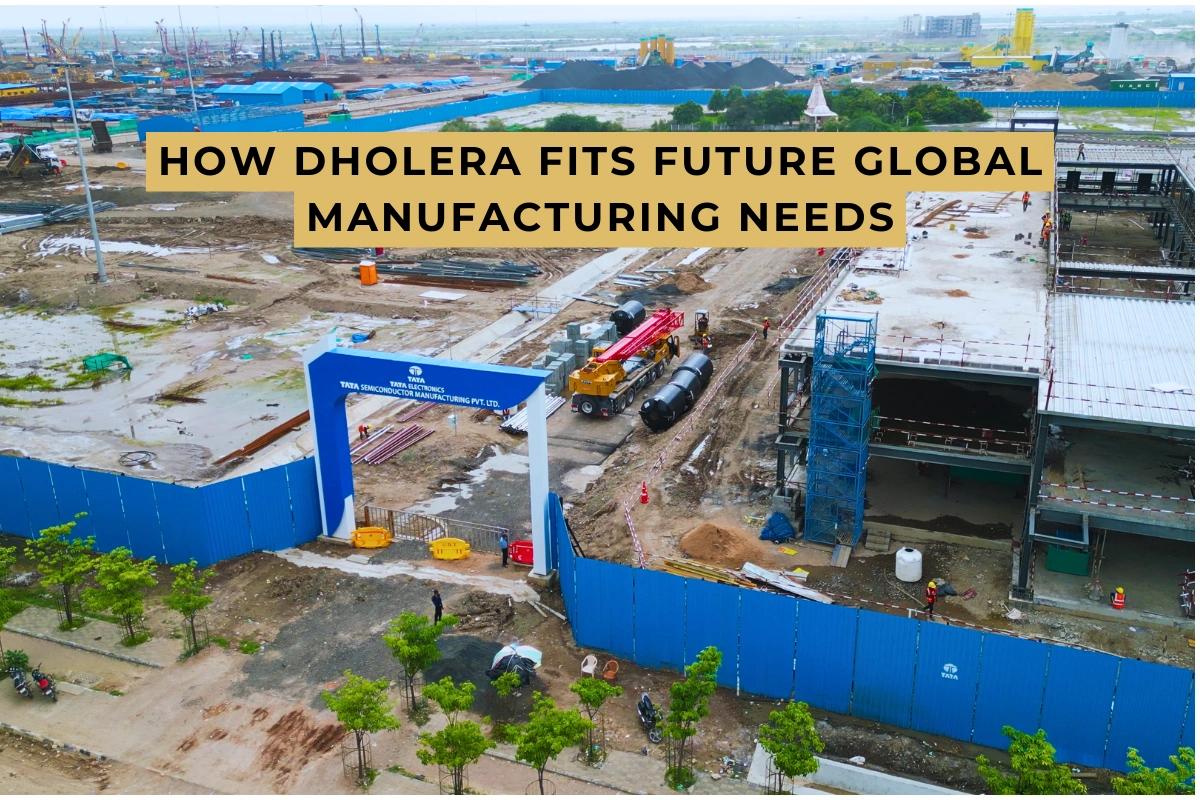
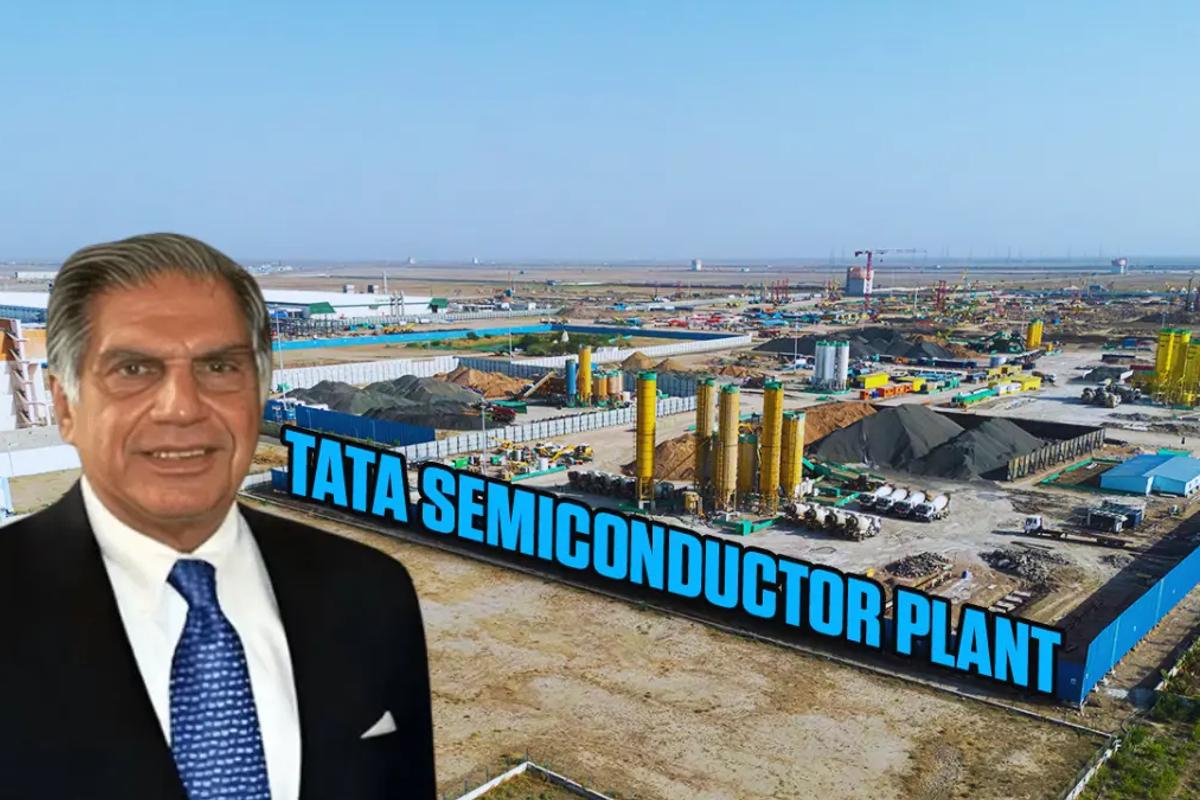
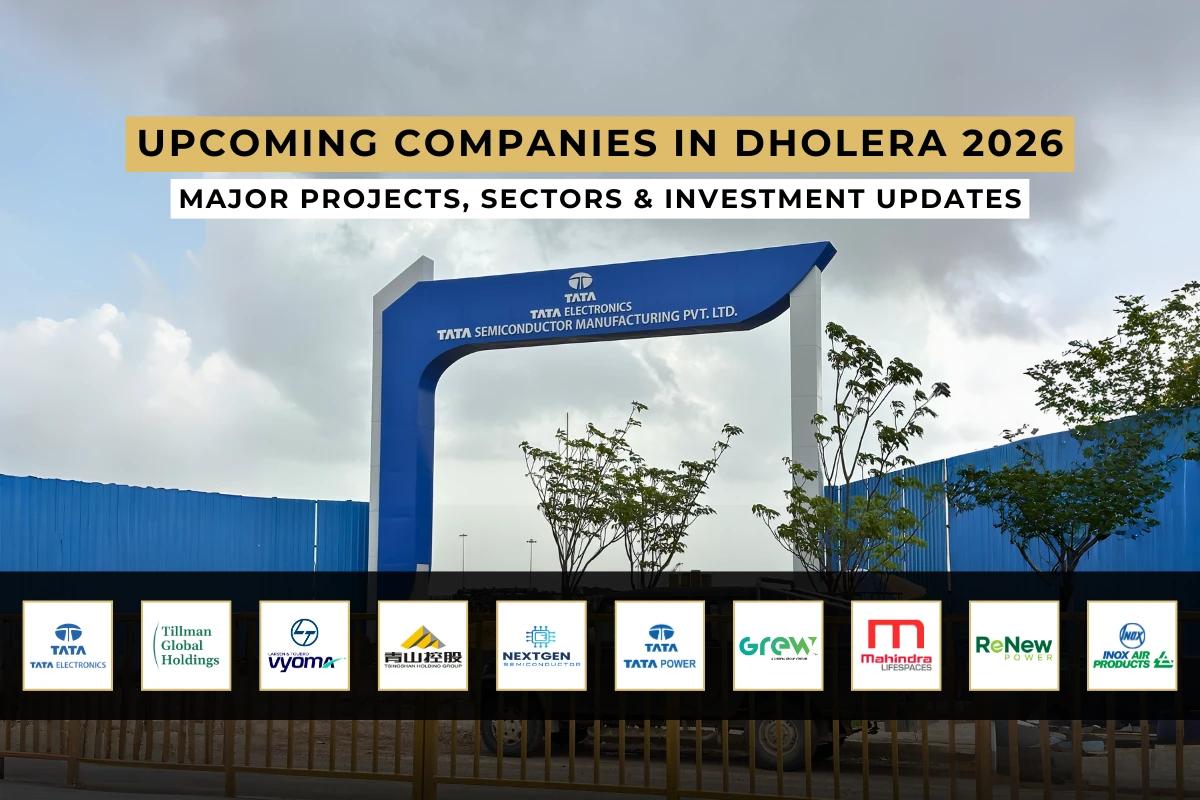
The momentum in Gujarat is largely centered around the Tata Electronics semiconductor facility. This $11 billion Tata semiconductor fab, built in collaboration with Taiwan’s PSMC, has officially entered its equipment installation phase as of early 2026. For such a massive project to succeed, it requires a "just-in-time" delivery system—a gap now filled by this Japanese-led global supply chain integration.
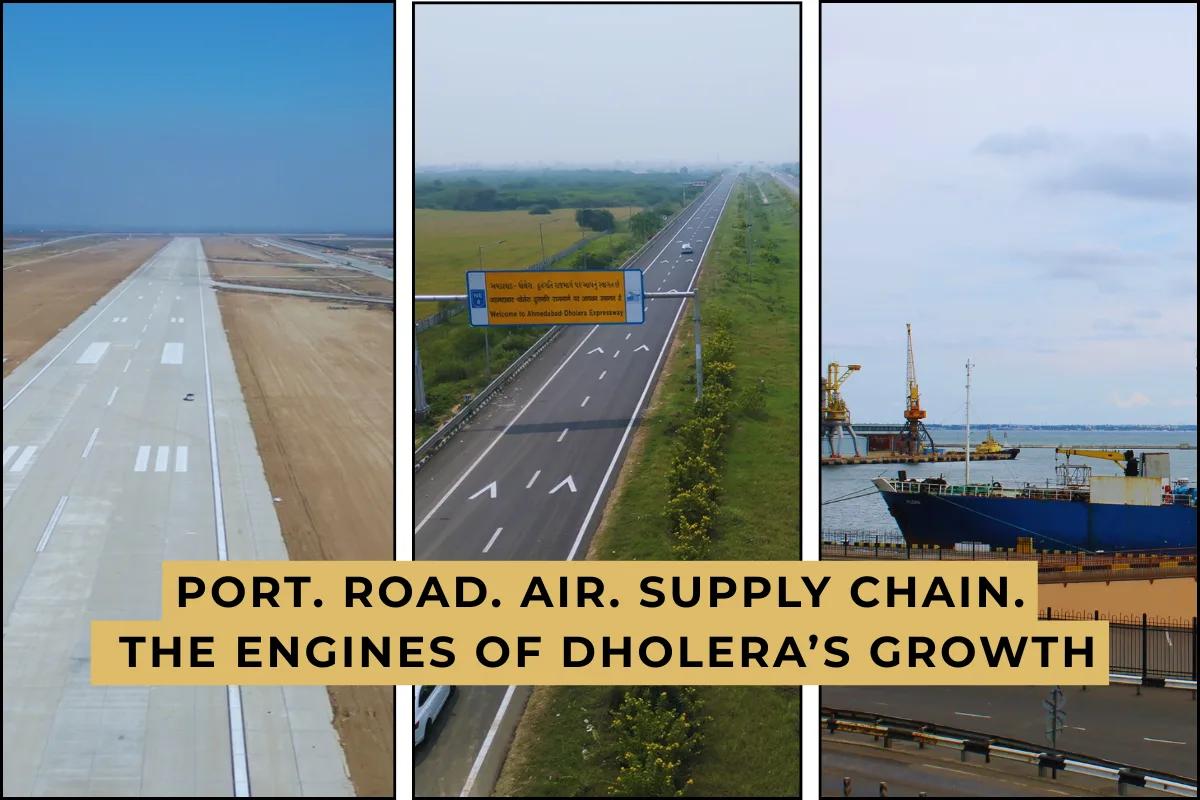
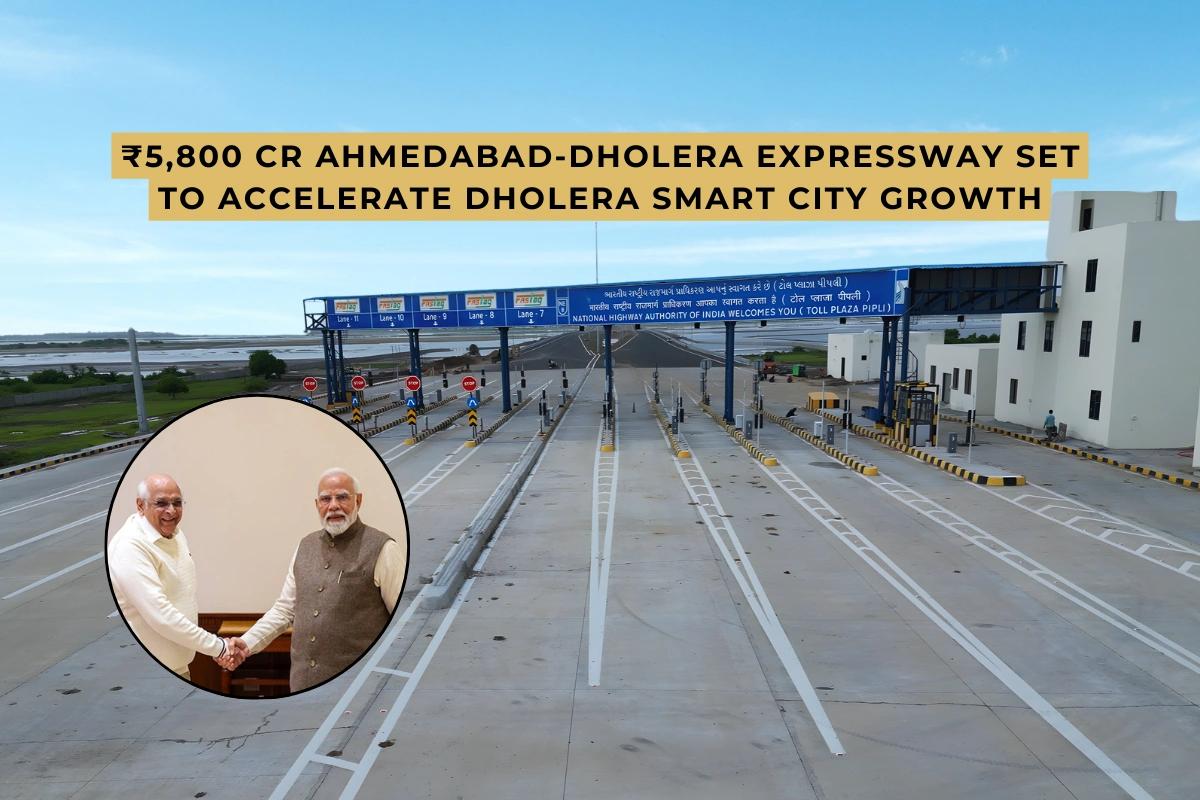
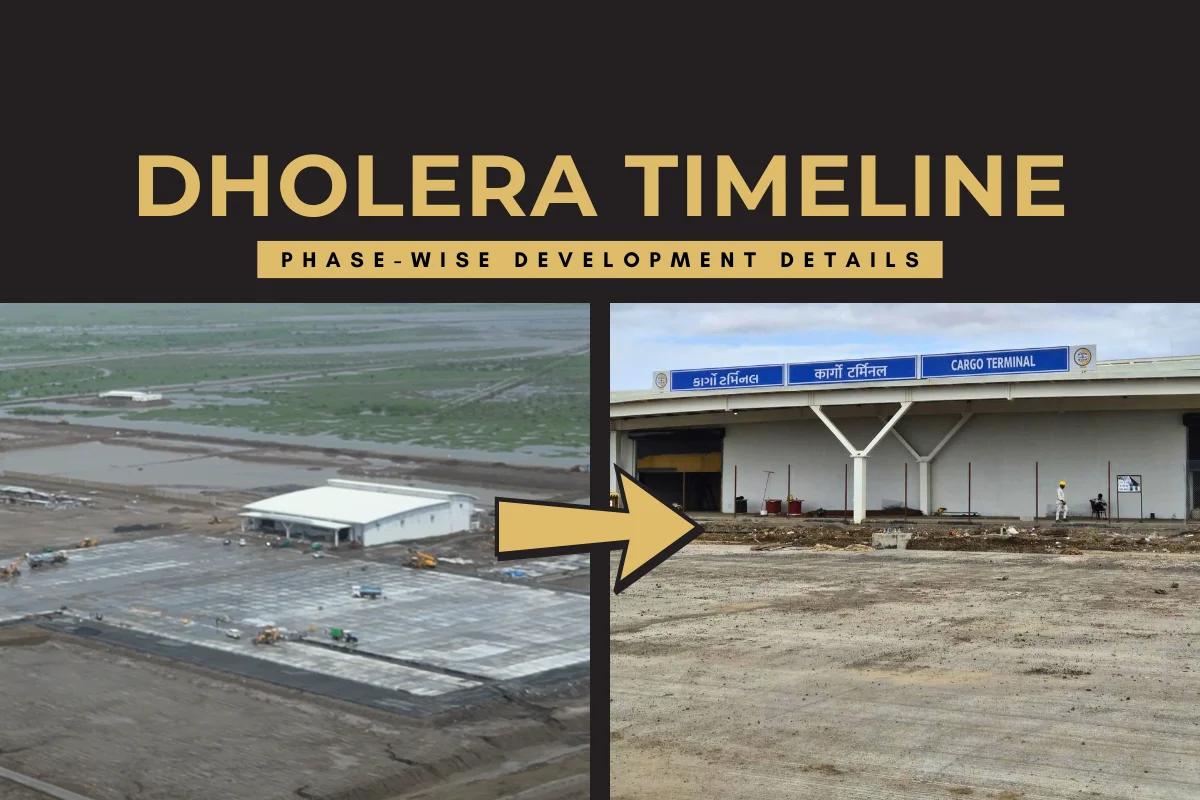
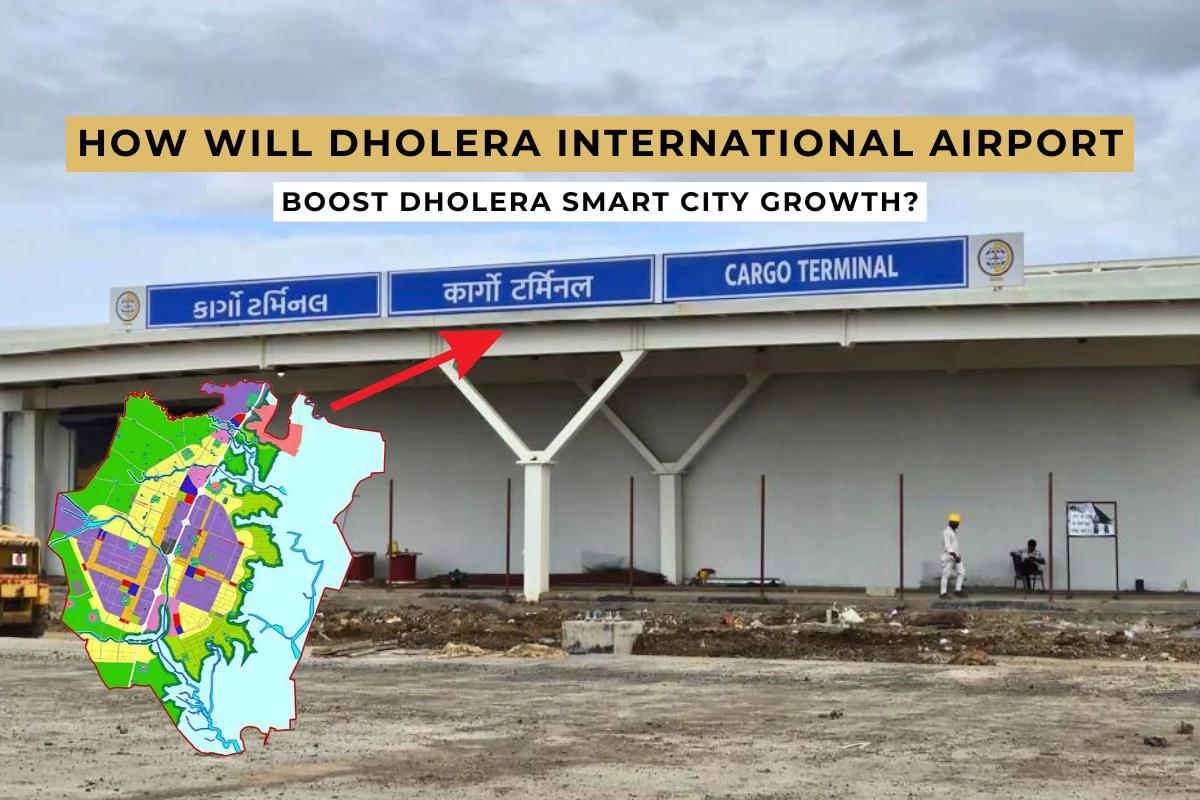
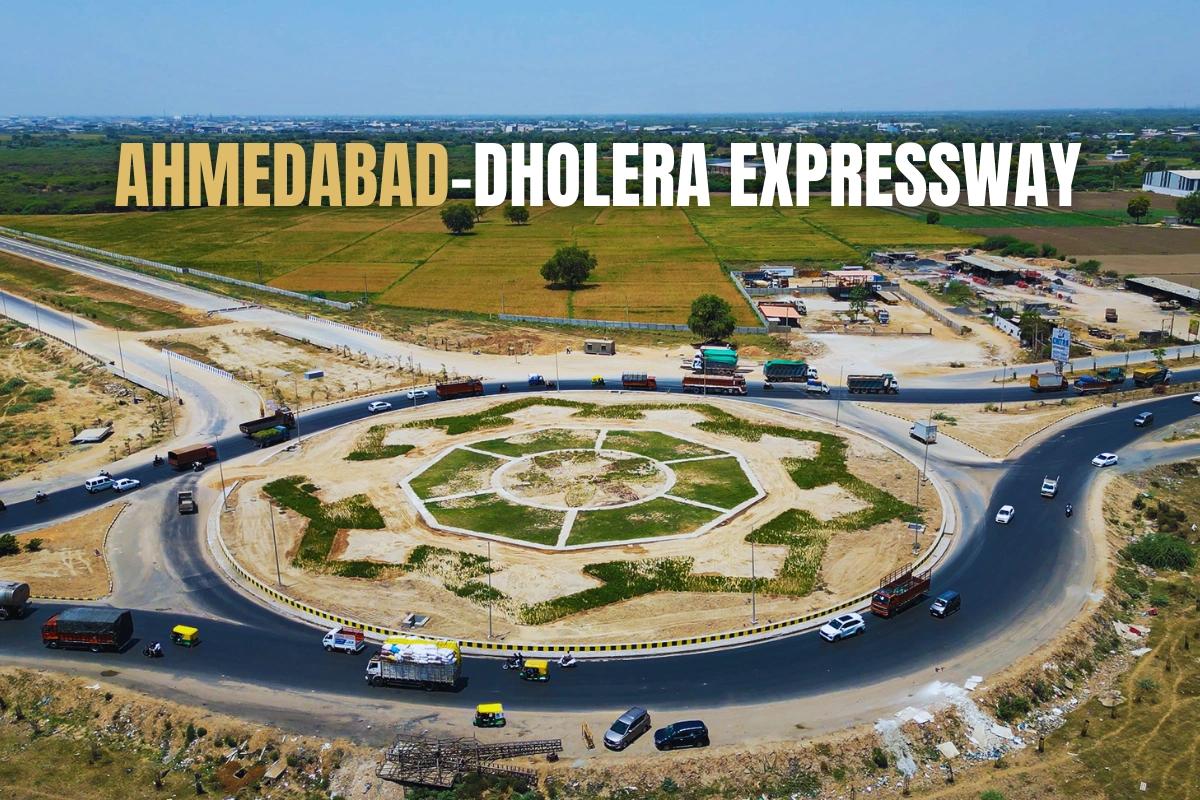
- Infrastructure Growth: The Ahmedabad–Dholera Expressway, now nearly complete, and the Dholera International Airport (slated for commercial operation by late 2026) are critical links for moving high-value tech components.
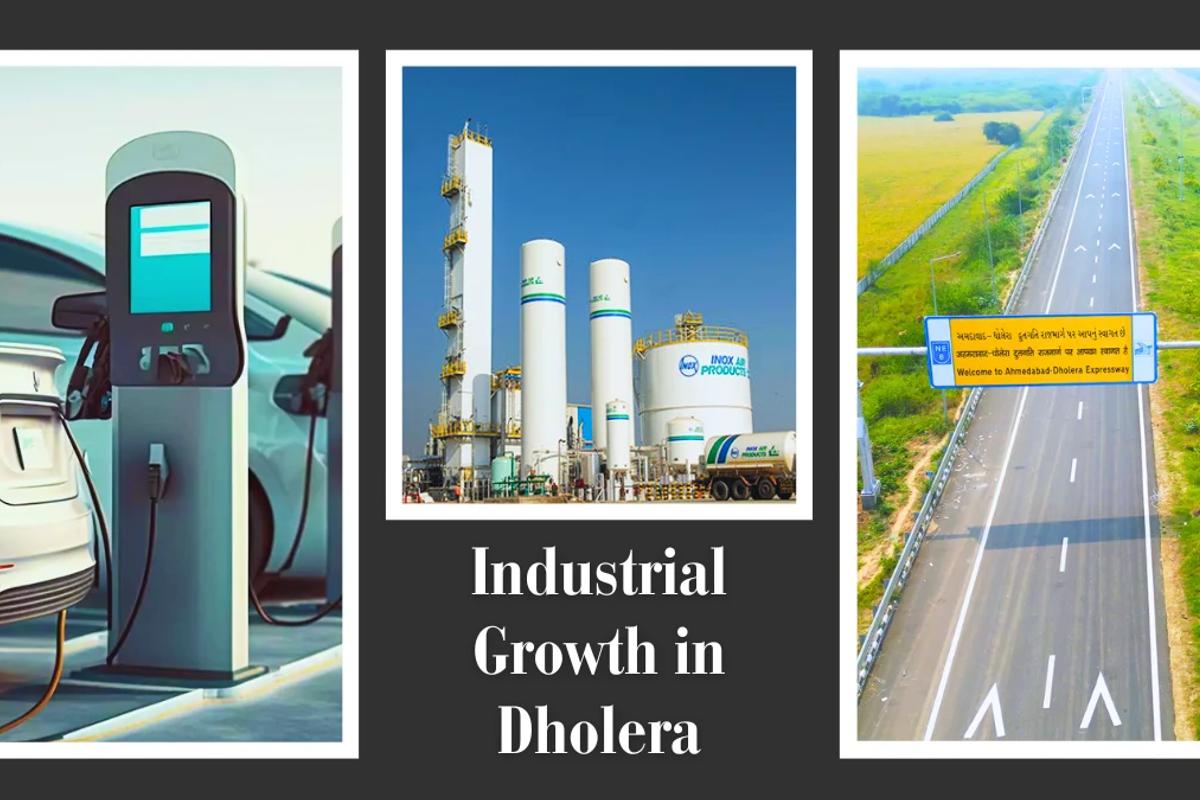
- Industrial Development in India: This partnership acts as a "force multiplier," attracting more industries in Dholera and encouraging ancillary units like Linde and Fujifilm to set up local bases.
Dholera Smart City Progress and Future Outlook
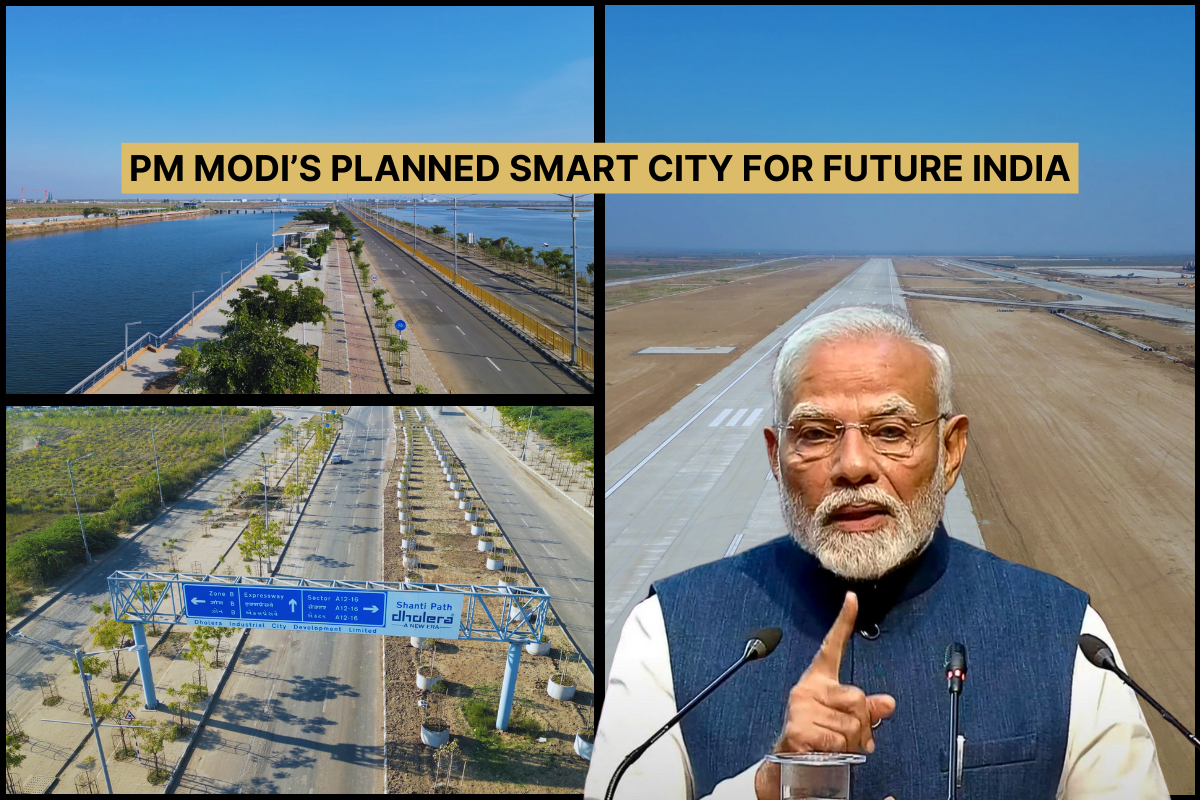
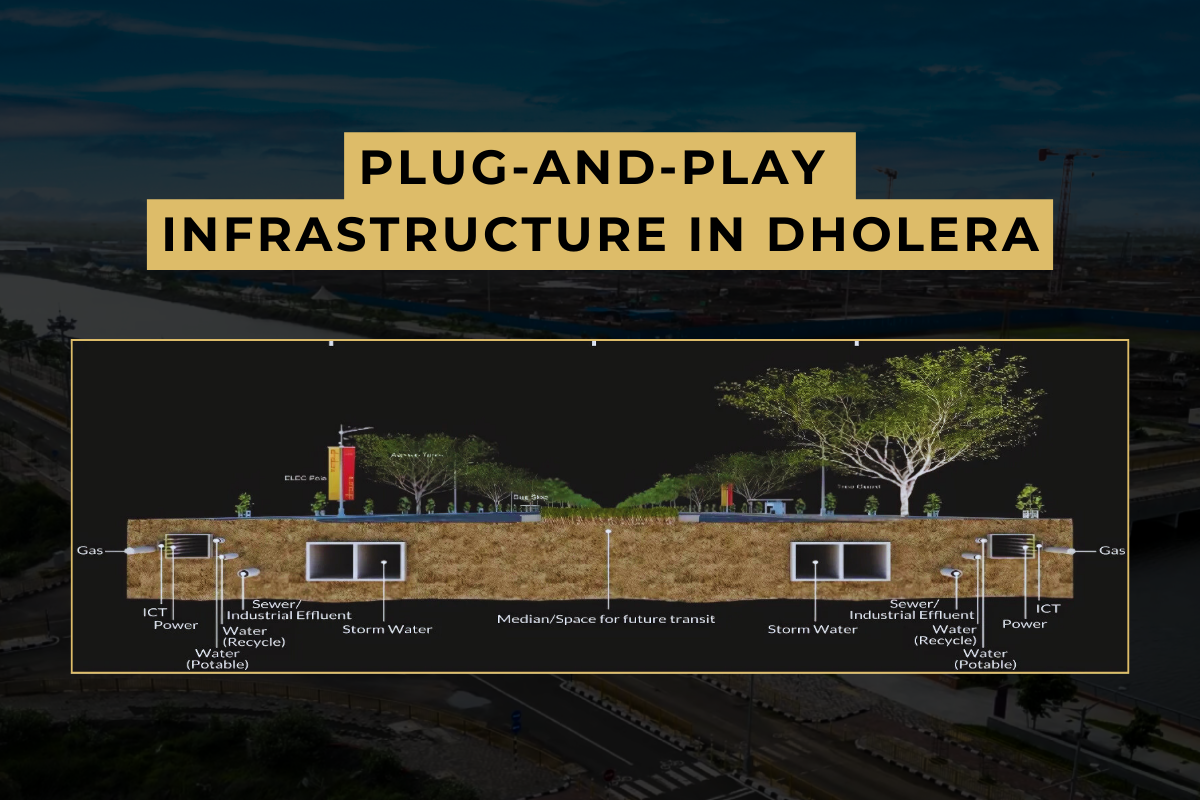
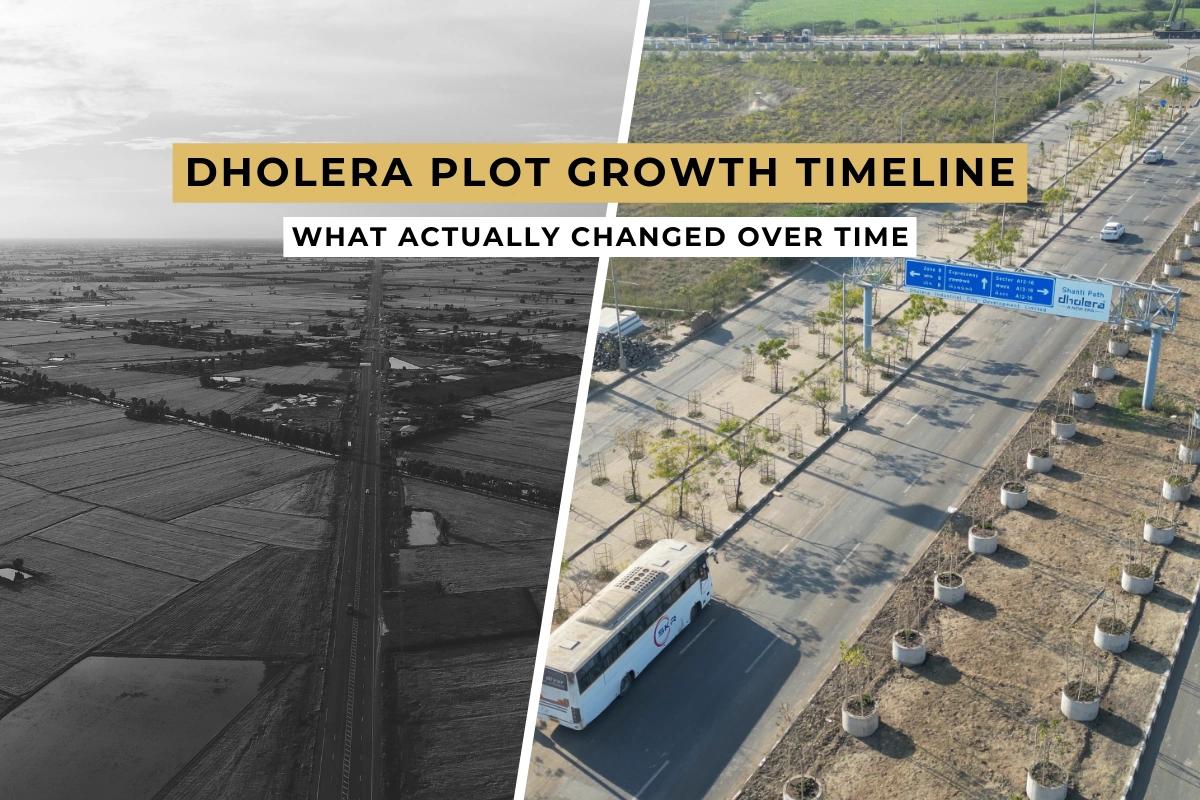
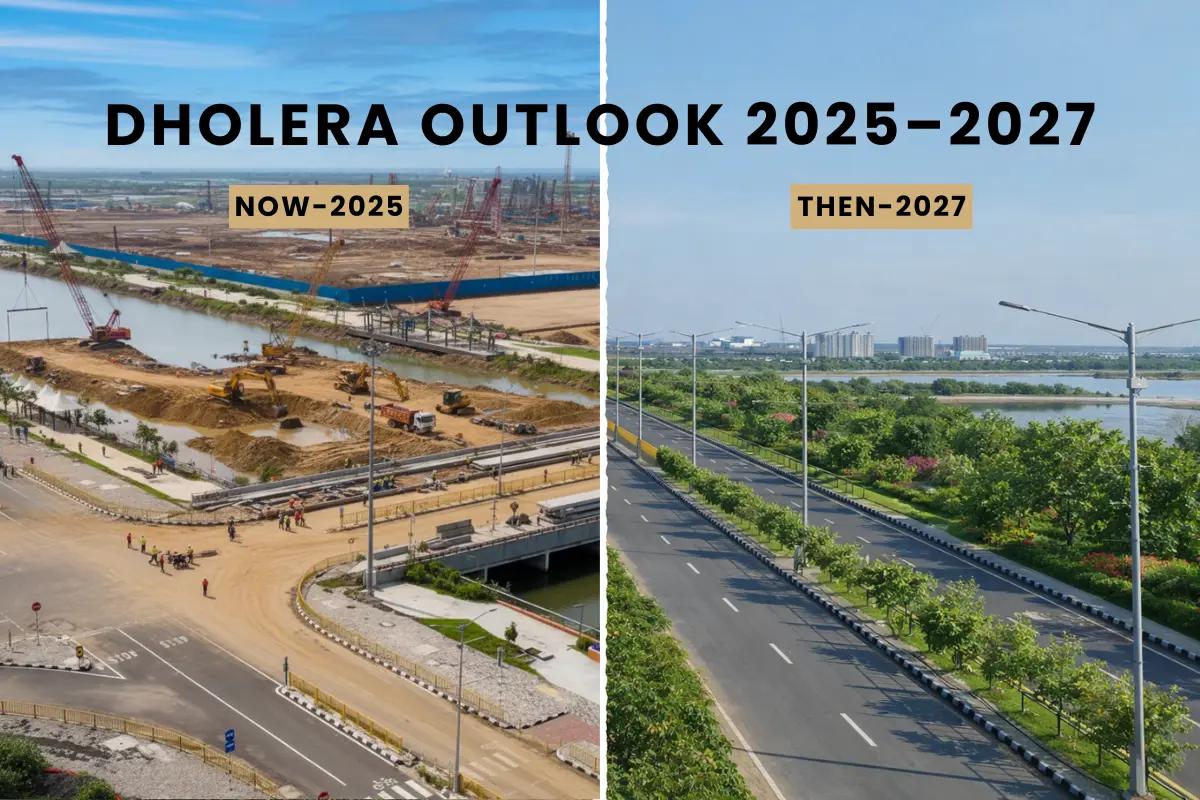
The Dholera smart city project has transitioned from a vision to an operational reality. In 2026, the activation area's trunk infrastructure is fully operational, making the Dholera SIR smart city a lighthouse for industrial growth in India.
- Upcoming Projects in Dholera: Beyond chips, the region is seeing massive investments in green energy. The Dholera Solar Park is set to provide renewable power to the fabs, fulfilling the global mandate for "Green Electronics."
- Economic Impact: The surge in industrial development in India is expected to create over 20,000 high-skill jobs at the Tata fab alone, solidifying the future of the semiconductor industry in India.
A Closer Look at Dholera Smart City Progress
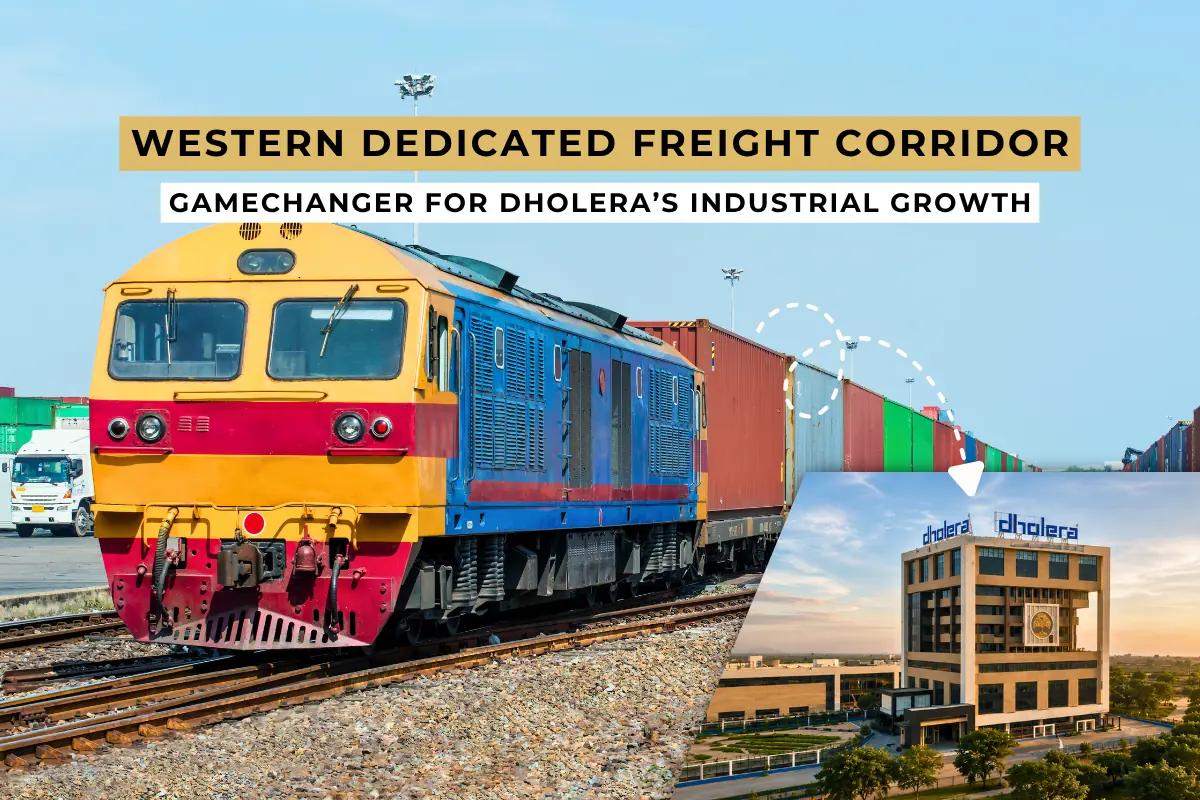
As the infrastructure matures, Dholera is no longer just a construction site but a living industrial ecosystem. The completion of the 22.5 sq. km Activation Area has paved the way for the India semiconductor industry to scale. Logistics are being further bolstered by the Western Dedicated Freight Corridor, which connects the Dholera Special Investment Region (SIR) to India’s major ports, ensuring seamless export capabilities for the "Made in India" chips.
The Future of the Semiconductor Industry in Dholera
As we look toward 2027 production targets, the city is evolving into a global tech cluster. Hiroyuki Ueshima, CEO of Nagase & Co., and Shinjiro Takezoe, President of Nippon Express, emphasized that this fusion of commercial and commodity distribution is vital for de-risking the global supply chain and establishing India as a leading tech leader by 2030.
By securing a world-class supply chain, the Tata semiconductor fab and other global players can operate with the same efficiency found in Japan or Taiwan, positioning the Gujarat smart city as a global tech titan.
Frequently Asked Questions
Q. What is the Nagase and Nippon Express semiconductor supply chain update in Dholera?
A. In December 2025, Nagase & Co. and Nippon Express signed an MoU to build high-tech supply chain infrastructure in India aimed at supporting Dholera SIR and its semiconductor ecosystem.
Q. Why is the semiconductor supply chain important for Dholera Smart City?
A. A strong semiconductor supply chain matters because chip manufacturing depends on safe, timely, and precise delivery of materials, which supports the growth of Dholera Smart City.
Q. How does this partnership support semiconductor projects in Dholera?
A. This partnership improves logistics efficiency and material movement, helping support the Tata semiconductor plant in Dholera and the wider semiconductor ecosystem.
Q. What role will Nagase and Nippon Express play in Dholera’s semiconductor ecosystem?
A. Nagase will focus on sourcing high-purity chemicals, gases, and specialty materials, while Nippon Express will manage specialized transport and storage for sensitive semiconductor components.
Q. Why is logistics so important for semiconductor manufacturing in Dholera?
A. Semiconductor manufacturing depends on the safe movement of high-purity materials and sensitive components, so precision logistics is essential for reliable production in Dholera Smart City.
Share With Your Friends & Family: