Water Scarcity Is Gujarat’s Reality: How Dholera Is Preparing for the Future
Key Highlights
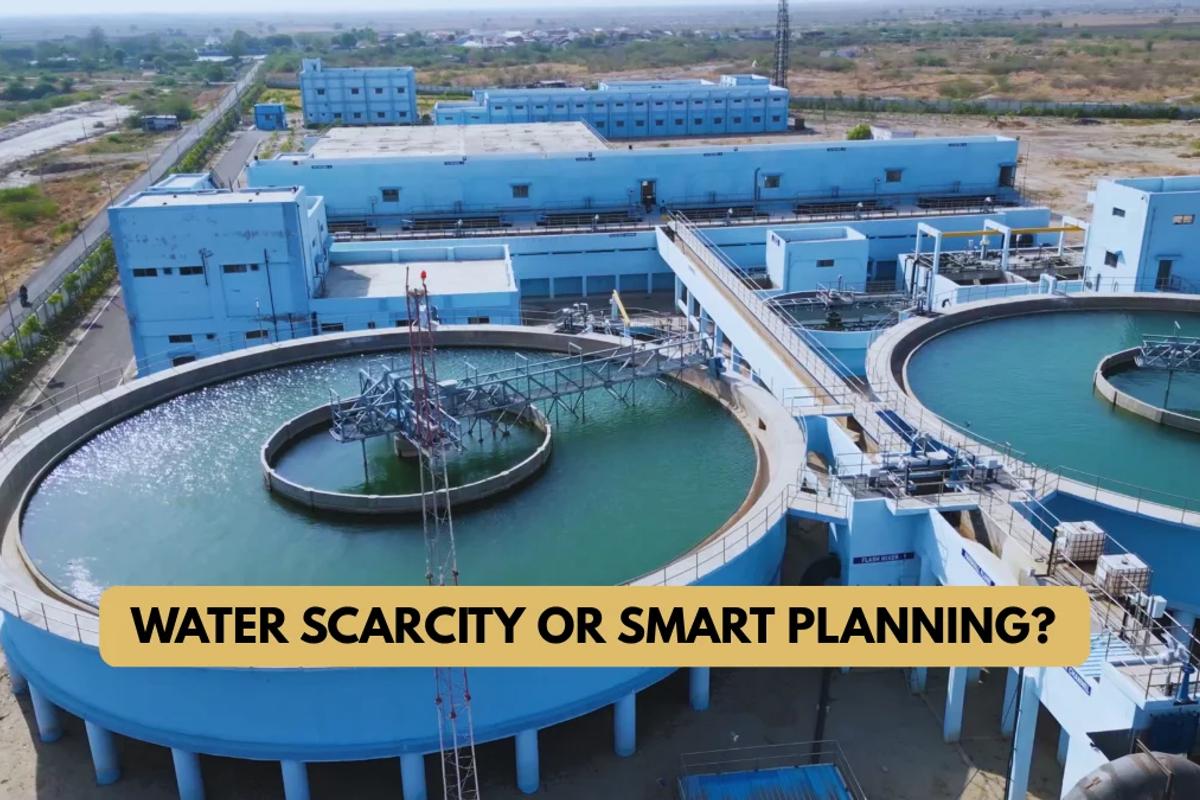
Water scarcity is no longer a distant concern in India it’s a pressing reality. States like Gujarat are witnessing growing water shortages in Gujarat, dwindling groundwater levels, and uneven rainfall patterns. The Gujarat water crisis is challenging urban planners, industries, and residents alike. Amid this backdrop, Dholera Smart City is taking a proactive approach to tackle these challenges through smart city water management, sustainable water system design, and advanced integrated water management system planning. By investing in a dedicated water treatment plant (WTP) and promoting rainwater harvesting benefits, the city ensures reliable access to water for residents and industries. Such smart city infrastructure exemplifies integrated water resources management in action, making Dholera a model for water-resilient urban development.
Gujarat’s Water Reality: Why the Crisis Can’t Be Ignored
Gujarat faces multiple water challenges:
- Overdependence on groundwater leads to falling water tables (water scarcity issues)
- Seasonal water variability due to uneven rainfall in Gujarat
- Increasing urban and industrial demand is causing drinking water shortages.
The water crisis in India is compounded by these local challenges, making it critical for new cities to adopt sustainable water system solutions. Unlike older cities, which often react to shortages, Dholera’s planning integrates water security from the very beginning.
The Urbanization Factor: Pressure on Water Resources
Rapid urban growth and industrialization are intensifying urban water pressure. In many Indian cities, traditional water supply systems cannot meet the needs of growing populations. The result is frequent drinking water shortages and increased reliance on groundwater, worsening water scarcity in India.
Key Pressures Include:
- The rising population and industries are increasing water demand
- Aging or inefficient water infrastructure
- The risk of water shortage in India is impacting households and businesses
Dholera avoids these pitfalls through forward-looking planning and smart water management system design.
How Dholera’s Water Infrastructure Is Built for the Future
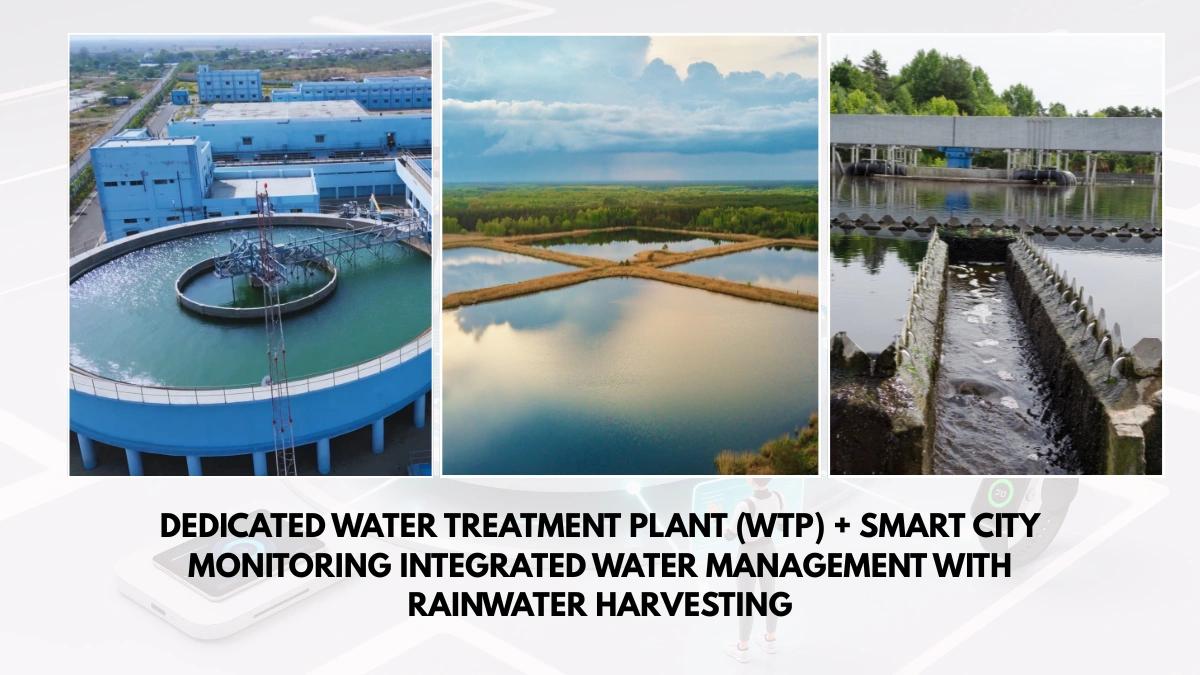
Dholera Smart City approaches water as a core element of city design, not just a utility. Its infrastructure is designed for long-term resilience. Key elements include:
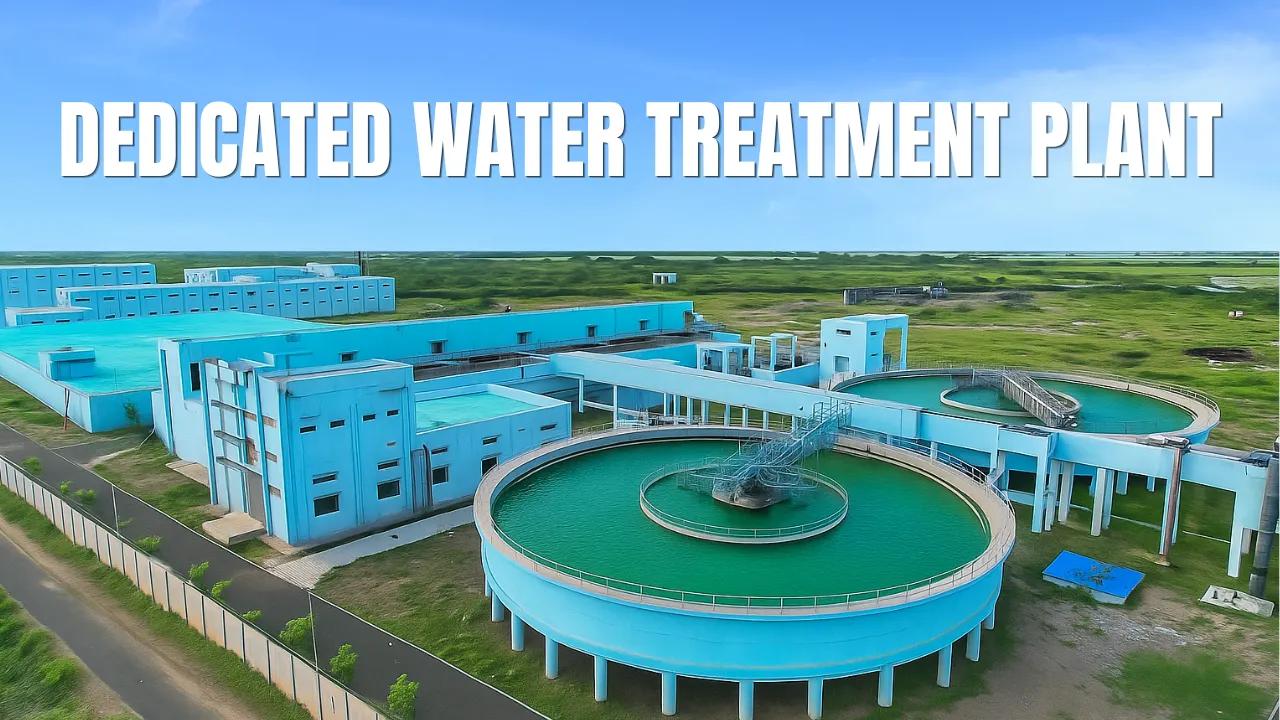
- Dedicated Water Treatment Plant (WTP)
- Treats surface water for safe residential and industrial use (water treatment plant)
- Reduces reliance on groundwater (water shortage in Gujarat)
- Can scale with the city’s population
2. Surface Water Supply & Distribution
- Uses sustainable water sources instead of excessive borewells
- Ensures equitable distribution to neighborhoods and industrial zones (surface water supply)
3. Integrated Water Management with Rainwater Harvesting
- Captures seasonal rainfall for reuse (rainwater harvesting benefits)
- Coordinates treatment, storage, and distribution (integrated water management system)
- Forms a sustainable water system for residents and industries
4. Smart City Monitoring
- Real-time monitoring of water usage (smart city water management)
- Leak detection and optimization (smart water management system)
- Ensures efficiency and reduces wastage
5. Future-Proof Planning
- Designed to meet projected population and industrial growth (Dholera Smart City Progress)
- Aligns with sustainable city design principles for long-term reliability
What This Means for Residents and Investors
Water infrastructure directly impacts quality of life and property value:
- Long-term water security assures homeowners and businesses
- Cities with smart city infrastructure are more attractive for investment
- Planned water systems, like surface water supply and integrated water management, reduce risks for investors
Dholera’s proactive planning shows that a reliable water supply is not just a technical detail - it is a critical factor in city liveability and economic sustainability.
Dholera: A Model for Water-Smart Cities
While many cities struggle with water shortages in India, Dholera demonstrates a forward-thinking model:
- Uses rainwater harvesting benefits and an integrated water management system to maintain the supply
- Ensures sustainable water system design that supports residents and industries
- Proactively addresses water challenges rather than reacting to crises (water conservation methods)
By integrating smart city water management from day one, Dholera sets a blueprint for future cities in Gujarat and across India. It’s an example of how Dholera Smart City Progress aligns with sustainability, resilience, and growth.
Frequently Asked Questions
Q. How is Dholera Smart City solving water scarcity issues?
A. Dholera Smart City is addressing water scarcity through planned systems like water recycling, reservoir management, and integrated infrastructure planning.
Q. Is water availability a concern for buyers in Dholera?
A. Water is a common concern, but planned solutions and infrastructure in Dholera Smart City are designed to support long-term water availability.
Q. What water management systems are planned in Dholera?
A. Systems include water treatment plants, recycling systems, stormwater management, and sustainable water usage planning.
Q. How does water infrastructure impact livability in Dholera?
A. Reliable water infrastructure improves livability, residential planning, and long-term value in Dholera Smart City.
Q. Are there residential plots in Dholera supported by planned infrastructure?
A. Yes. Buyers can explore WestWyn Residency, offering premium residential plots in Pipariya, Dholera, with connectivity to planned infrastructure and suitable for long-term investment.
Share With Your Friends & Family: