Ahmedabad–Dholera Expressway Inauguration and ₹20,000 Cr Projects Launched by Narendra Modi
Key Highlights
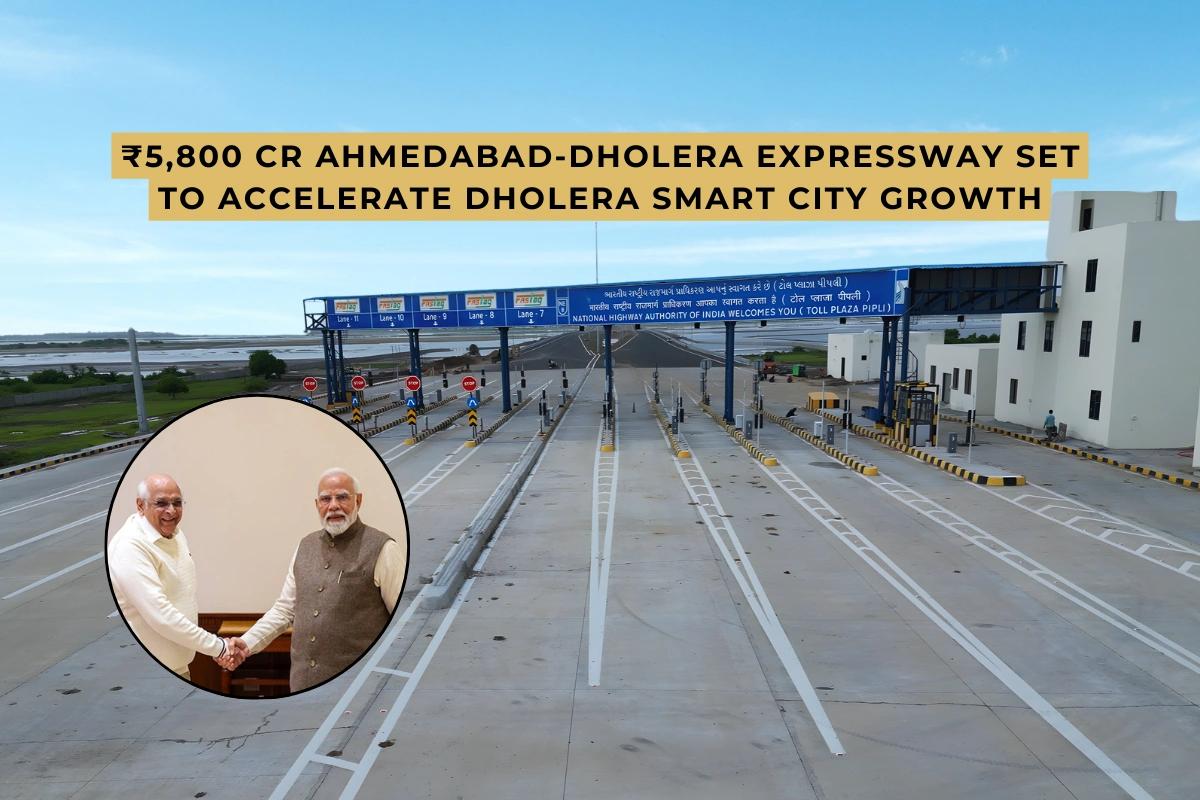
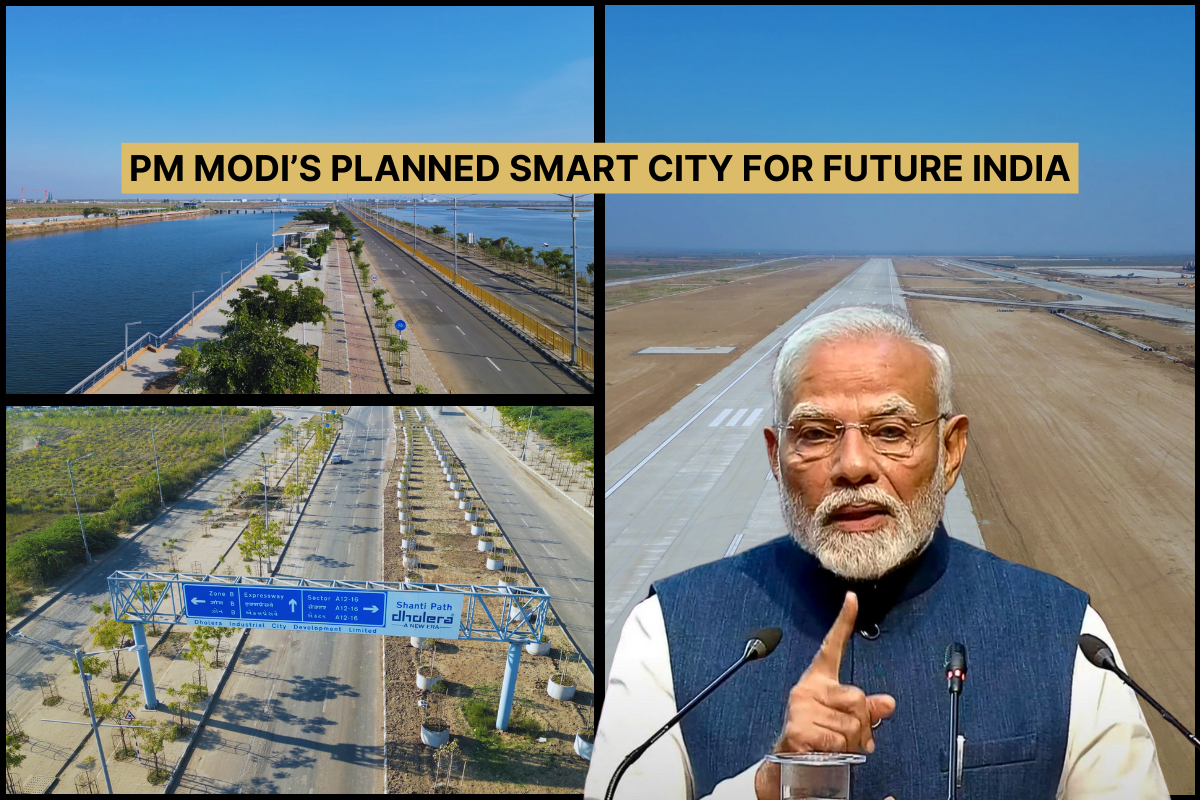
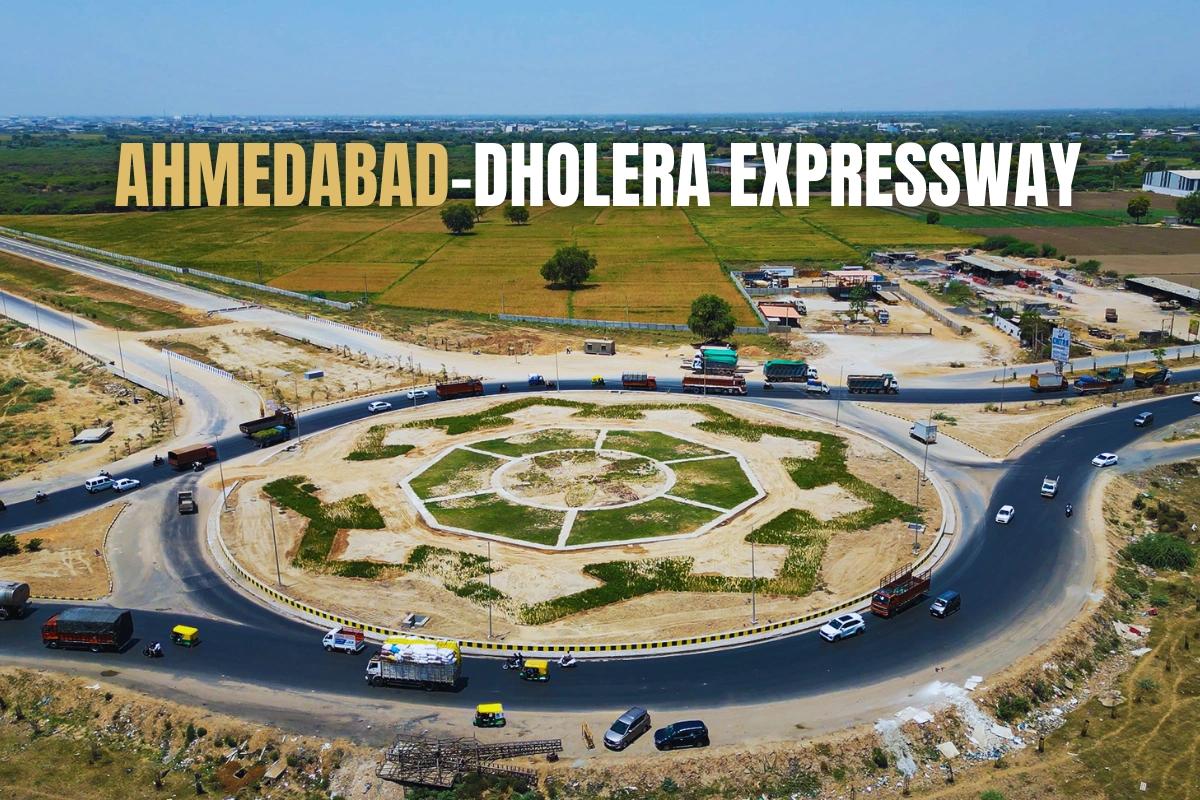
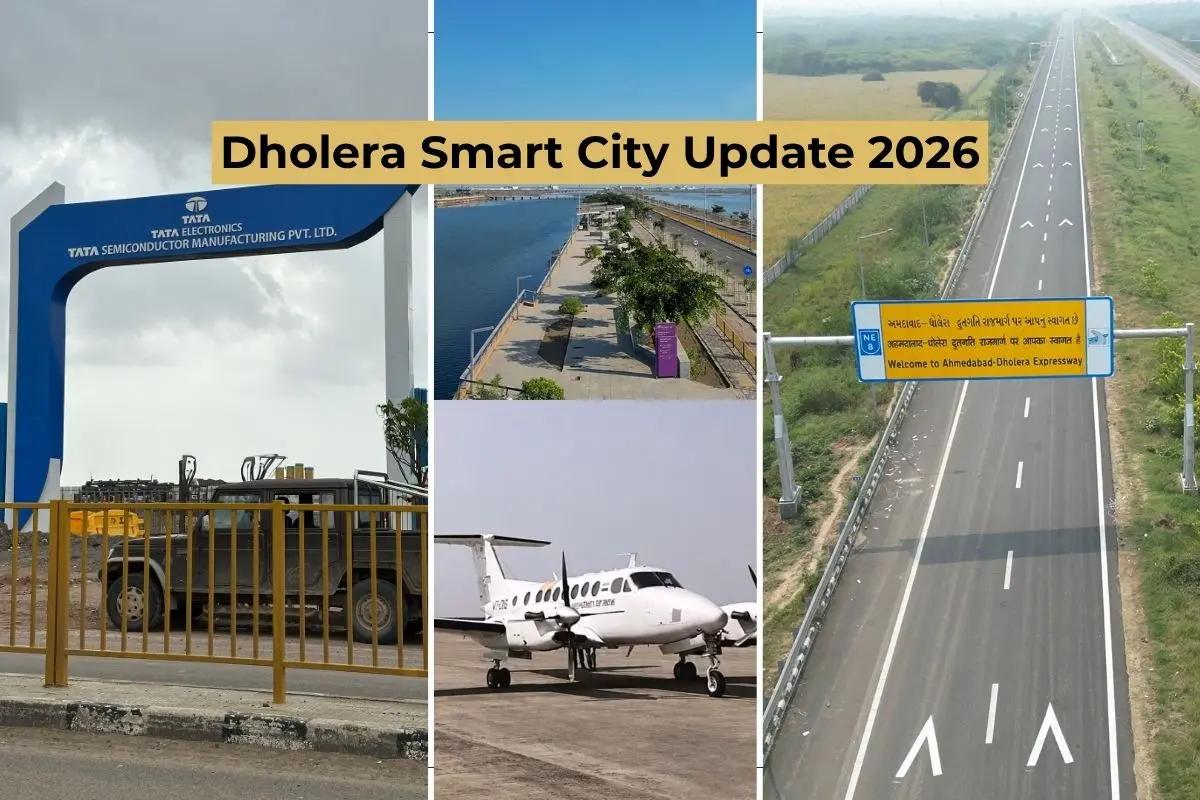
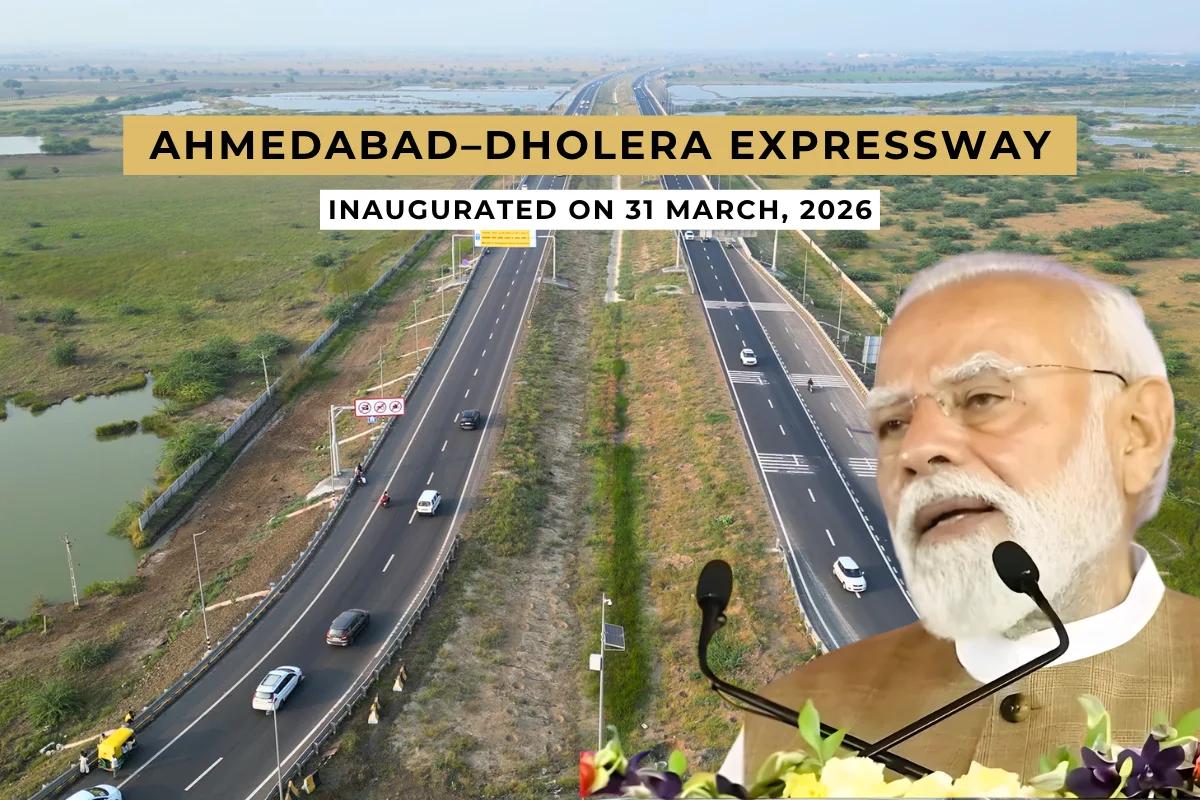
India’s infrastructure development is moving ahead with strong momentum as Narendra Modi inaugurates the Ahmedabad–Dholera Expressway on 31 March 2026 at 4 PM. Along with this key project, multiple development works worth over ₹20,000 crore have also been launched across Gujarat.
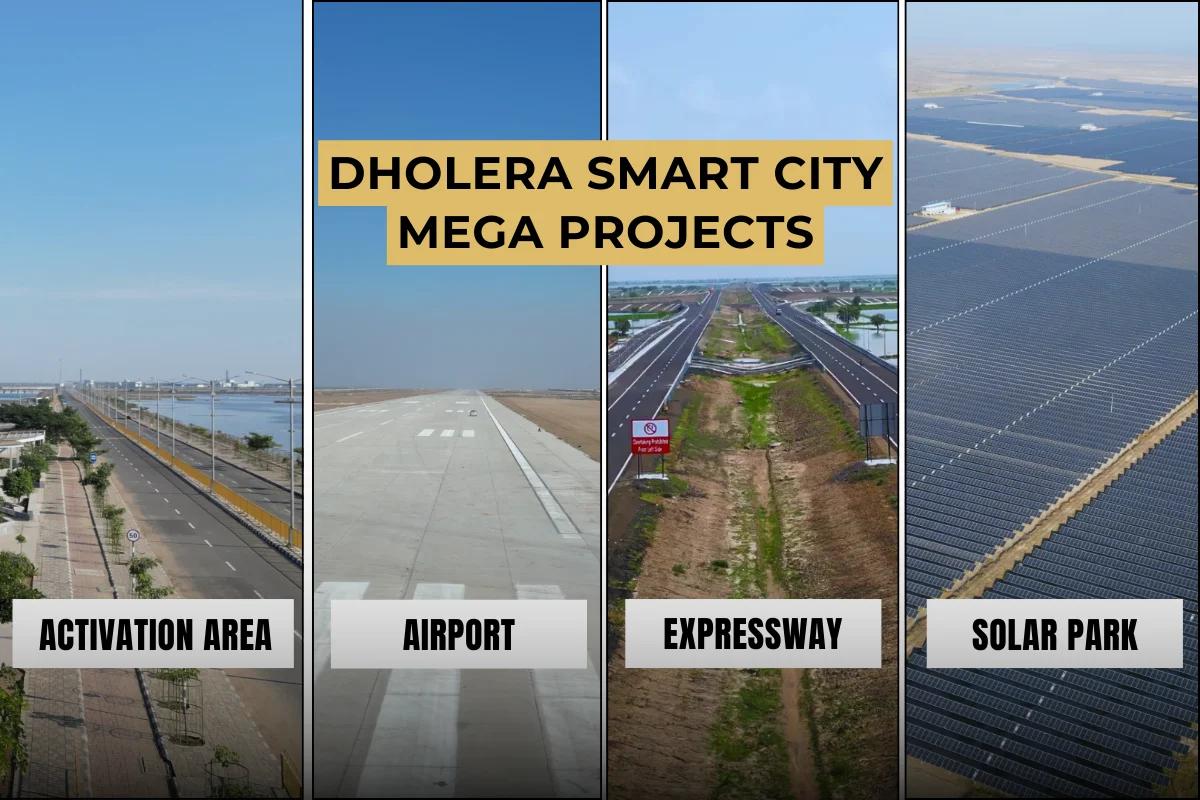
The expressway is the main highlight of this announcement. It is expected to improve high-speed connectivity between Ahmedabad and Dholera while supporting growing industrial activity in the region. This project is also likely to reduce travel inefficiencies and create a faster corridor for both passenger and cargo movement.
This development reflects a larger strategy where infrastructure and industry grow together. Gujarat continues to strengthen its position as a major industrial hub, and projects like this play a key role in shaping future growth. Over time, such initiatives are expected to bring long-term economic stability and attract further investments into the region.
Ahmedabad–Dholera Expressway: Cost, Connectivity & Key Benefits
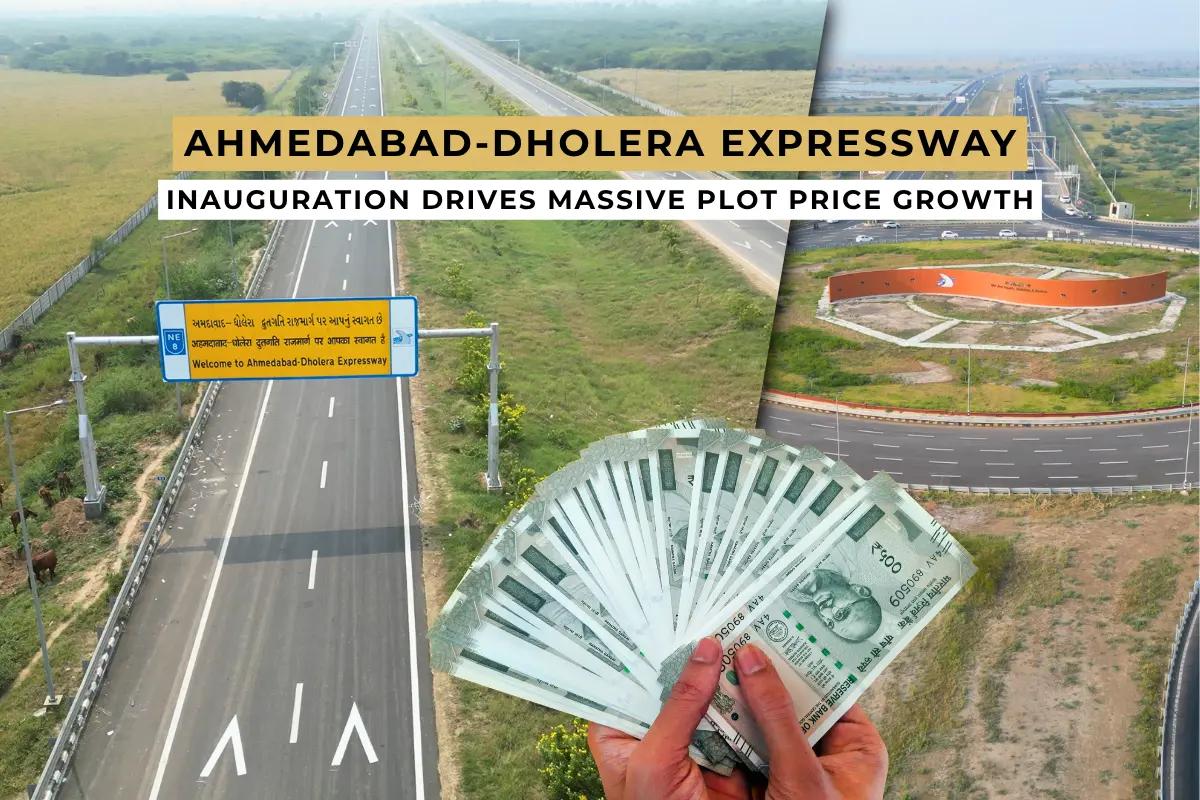
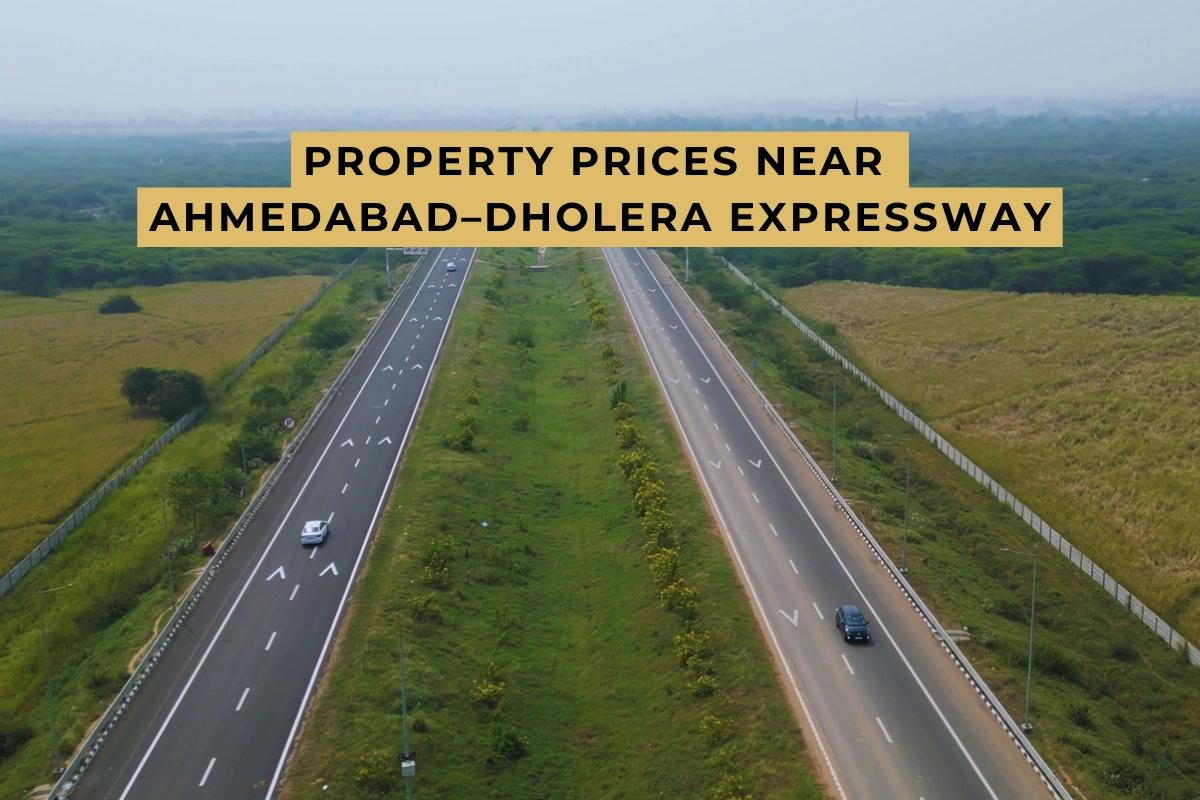
The Ahmedabad–Dholera Expressway is an important project that will improve connectivity and support industrial expansion in Gujarat. The total project cost is around ₹5,100 crore, and the expressway covers a distance of about 109 km. It has been designed to handle both current and future traffic demands efficiently.
Key Project Highlights:
- Cost: ₹5,100 crore
- Length: Approx. 109 km
- Type: 4-lane access-controlled (expandable to 8 lanes)
- Travel Time: Around 1 hour
The expressway starts from Sarkhej in Ahmedabad and passes through Bavla before reaching Adhelai near Dholera SIR. This direct route will make travel faster and smoother for both daily commuters and industrial transport. It will also reduce dependency on existing congested routes, improving overall travel experience.
Key Benefits:
- Faster travel between Ahmedabad and Dholera
- Better movement of goods and industrial traffic
- Lower logistics and transportation costs
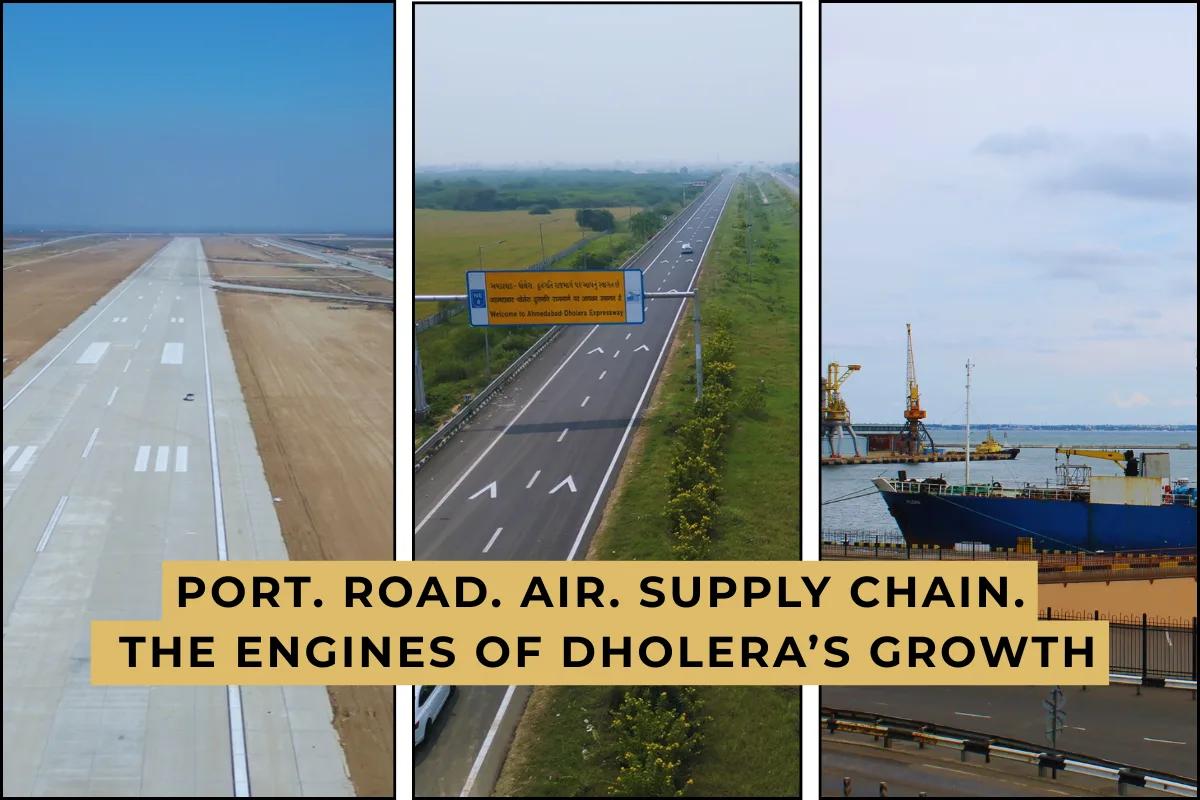
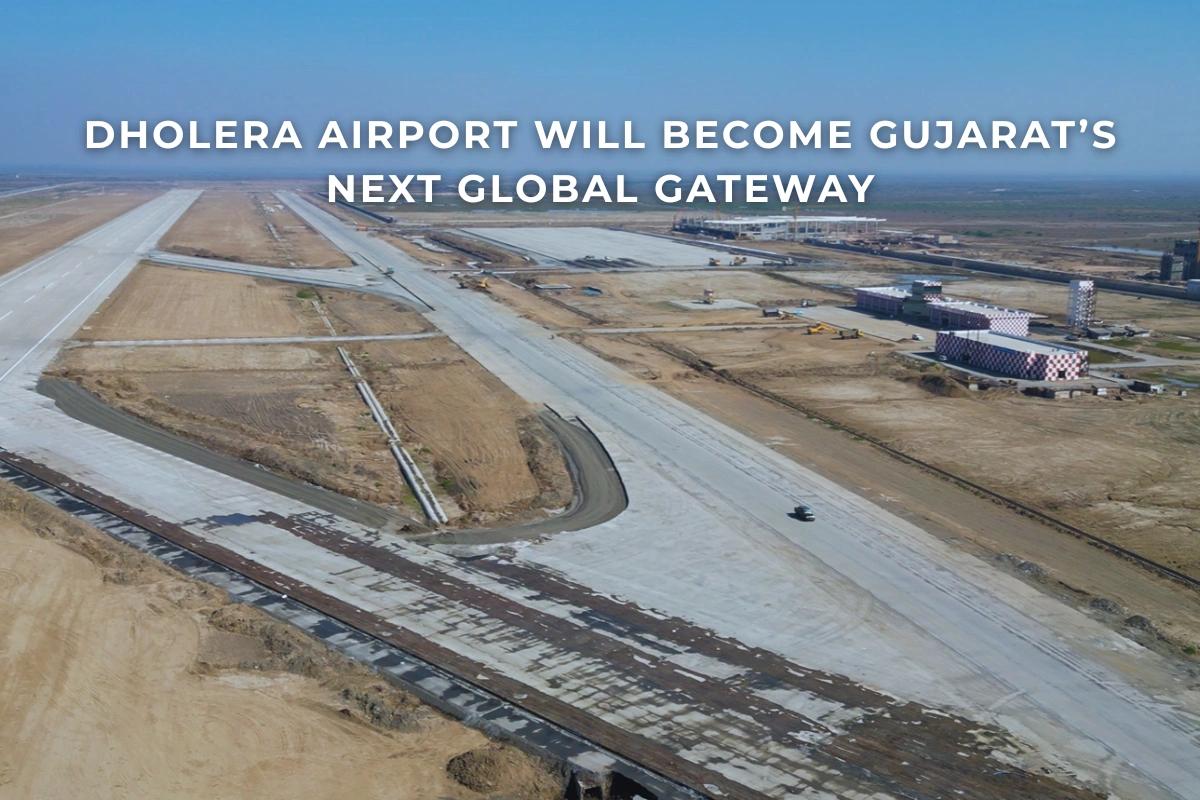
- Strong connectivity to future airport and port infrastructure
Overall, the expressway is expected to reduce congestion on existing roads and provide a reliable high-speed route for long-term development. It will also help businesses plan operations more efficiently by ensuring predictable travel times.
Route Planning and Its Importance
The route of the Ahmedabad–Dholera Expressway has been designed to connect important locations efficiently. By linking Ahmedabad with Dholera through key points like Bavla, the project ensures smooth connectivity between urban areas and industrial zones.
This planning will help industries operate more efficiently by improving transport systems. It also supports future infrastructure such as the Dholera International Airport and nearby ports, making the region more attractive for business and trade.
In addition, the route strengthens regional integration by connecting emerging industrial zones with established urban centers. This will help in balanced development and better utilization of infrastructure resources.
₹20,000 Crore Projects Announced Across Sectors
Along with the expressway, Narendra Modi has launched several development projects worth over ₹20,000 crore. These projects cover multiple sectors, including power, railways, roads, healthcare, and both urban and rural development.
This wide range of projects shows a balanced approach to growth, where infrastructure, public services, and industrial development are improved together. Such planning helps create a strong base for long-term economic progress and ensures that development reaches different regions.
Major Highlights:
- New train services connecting key regions
- Railway line upgrades and doubling projects
- Expansion of healthcare facilities in Ahmedabad
- Water supply and pipeline projects in different districts
- Road and flyover development
- Tourism and heritage projects
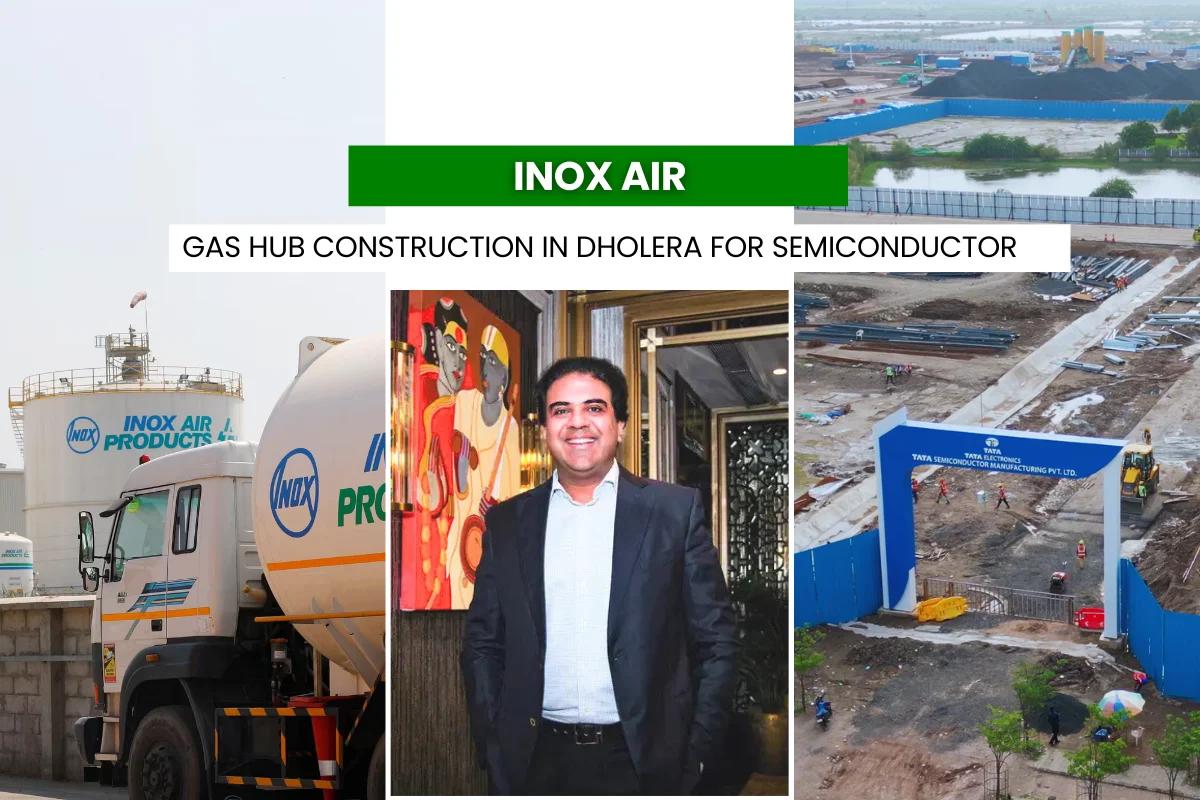
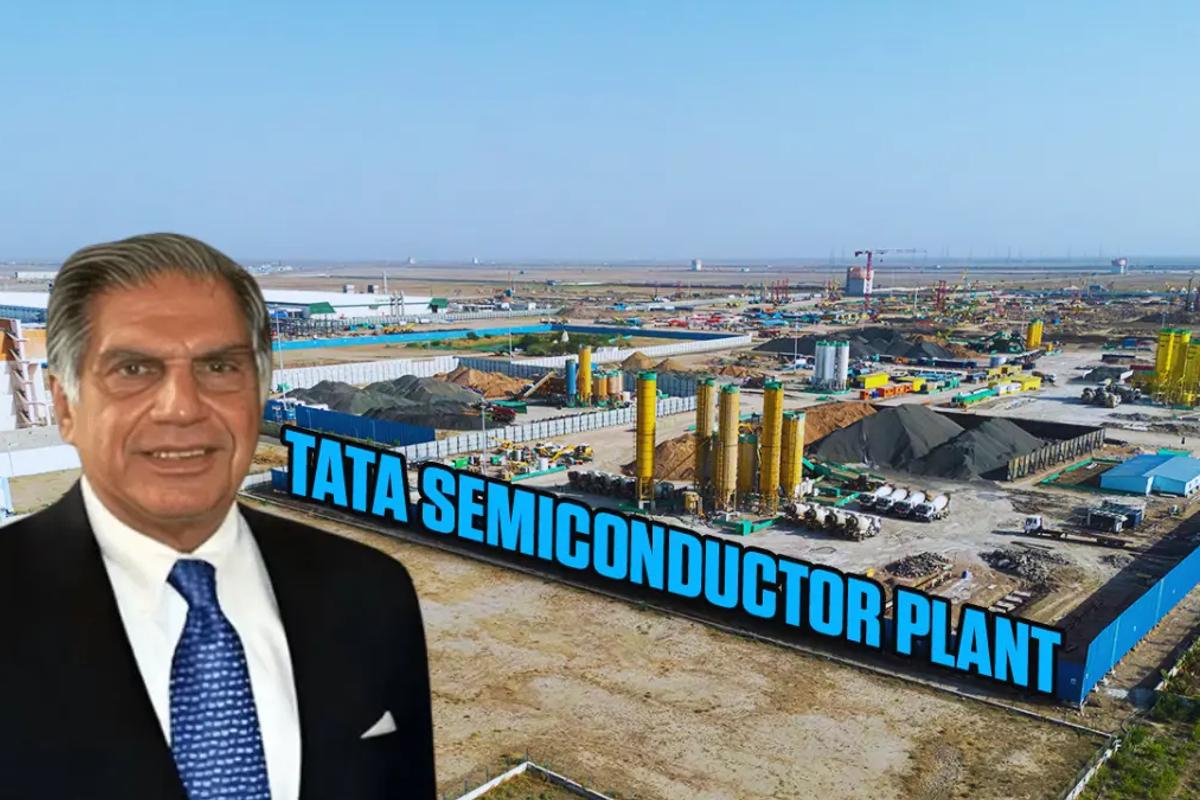
A major highlight is the semiconductor plant by Kaynes Technology in Sanand. This project supports India’s goal of becoming stronger in electronics manufacturing and reducing dependence on imports. It also opens new opportunities for high-tech industries and skilled employment.
Expressway’s Role in DMIC Development
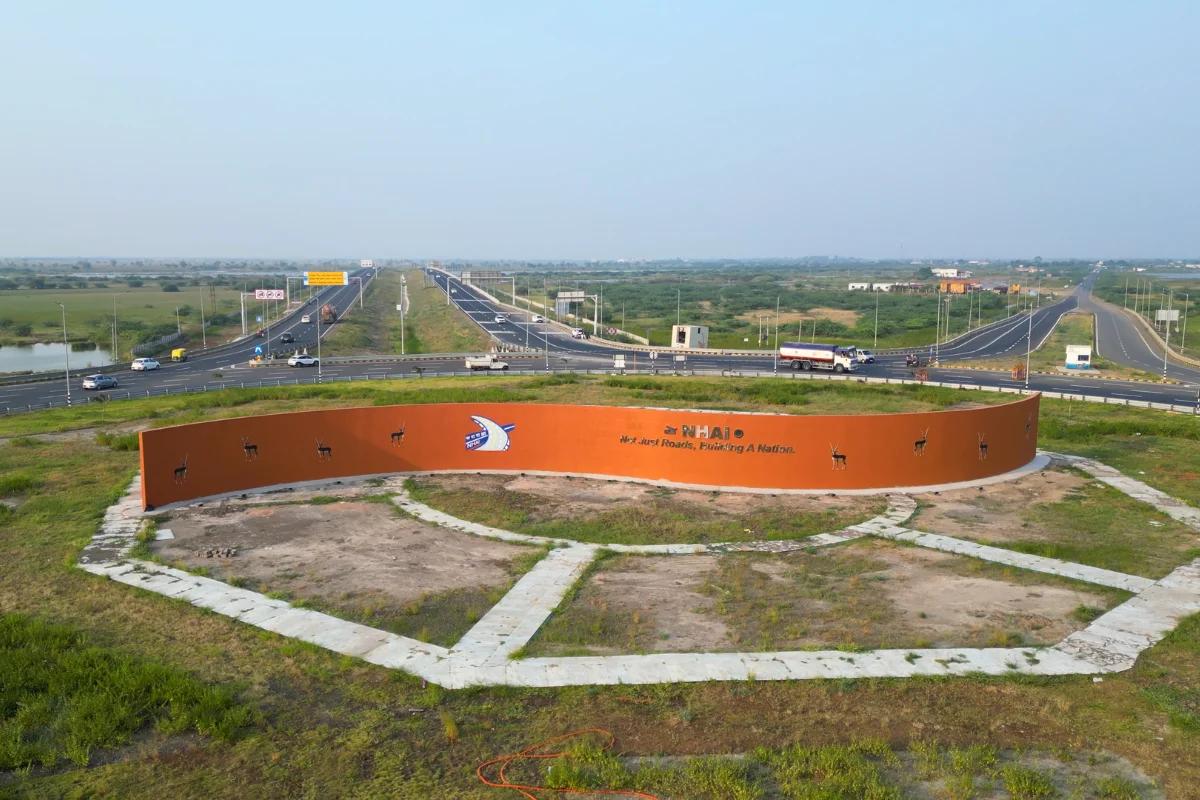
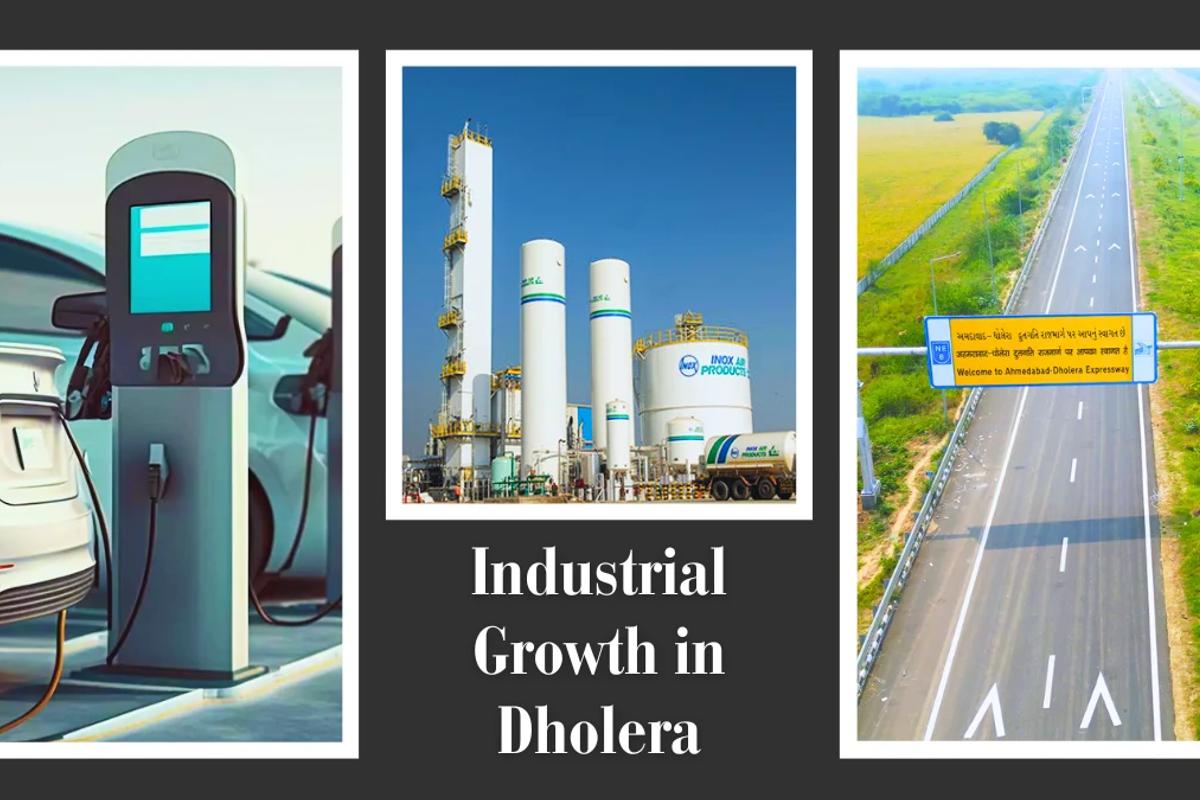
The Ahmedabad–Dholera Expressway (NE-8) is a 109 km access-controlled highway that is also part of the Delhi-Mumbai Industrial Corridor. It is designed as a four-lane road with future expansion up to eight lanes.
Importance in DMIC:
- Connects industrial zones and manufacturing hubs
- Improves transport efficiency across western India
- Supports large-scale industrial development
Because Dholera is an important node in the DMIC, this expressway will play a key role in boosting industrial growth and attracting investments. It also strengthens the overall connectivity within the corridor, making it more efficient for businesses to operate.
Impact on Industrial Growth and Logistics
The expressway is expected to bring major improvements in logistics and industrial operations. Faster connectivity between Ahmedabad and Dholera will help industries move goods more efficiently, reducing time and costs.
It will also support the development of:
- Logistics parks
- Warehousing zones
- Industrial clusters
With better access to ports and upcoming airport infrastructure, businesses in Dholera will be able to expand their reach to global markets more easily. This improved connectivity will also encourage new businesses to set up operations in the region.
Impact on Land Prices and Development
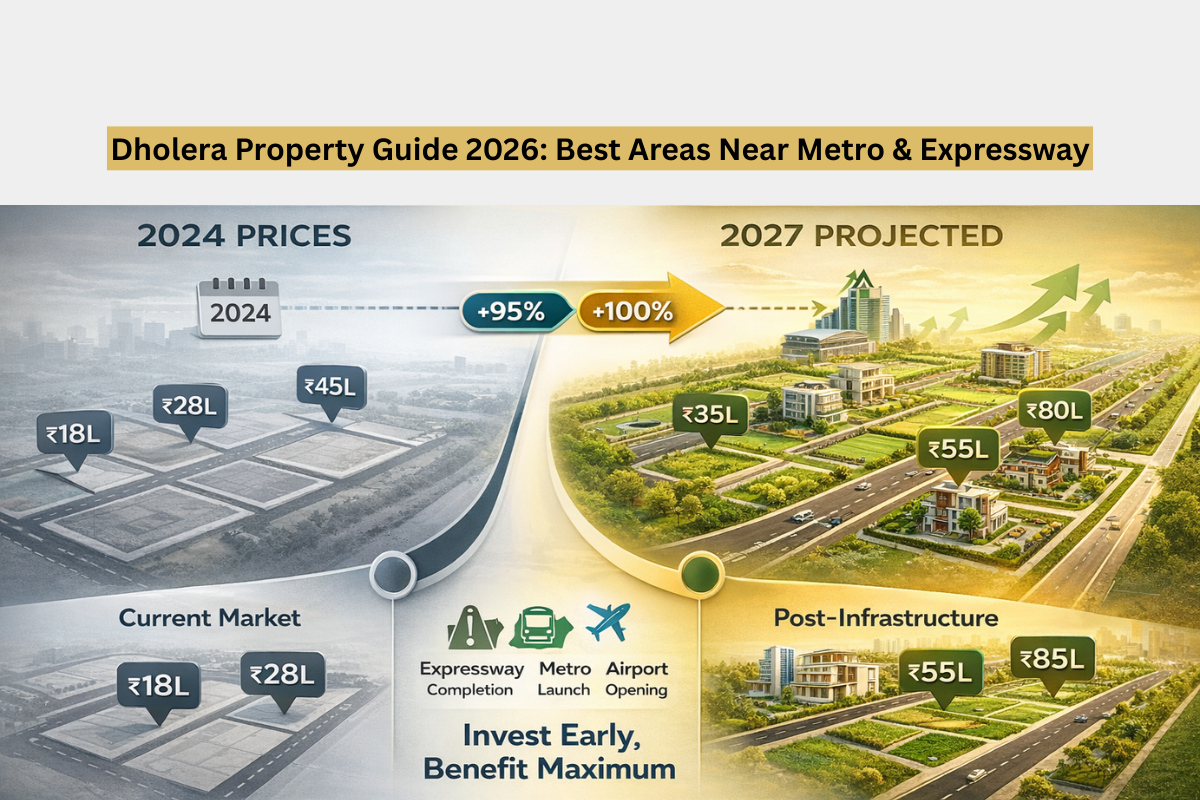
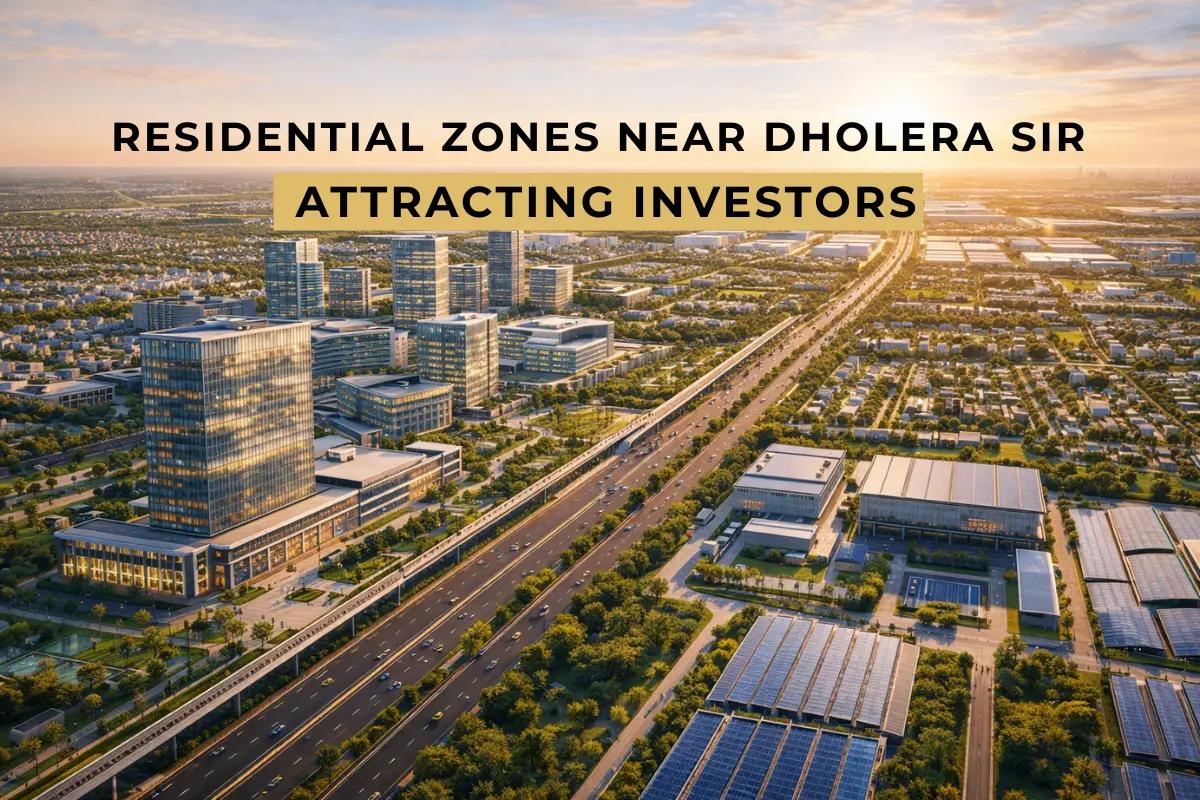
Infrastructure projects like the Ahmedabad–Dholera Expressway usually lead to increased development in nearby areas. Improved connectivity makes locations more accessible and attractive for both industries and real estate growth.
Expected Changes:
- Higher demand for land near the expressway
- Faster development of nearby regions
- Increase in industrial and logistics activity
- Stronger position of Dholera as a growth center
As development increases, land prices in and around Dholera are expected to rise steadily. The combination of infrastructure and industrial growth creates long-term value potential. Investors and developers are likely to show increased interest in strategically located areas.
Future Outlook for Dholera
With the expressway now operational, Dholera is entering a new phase of development. The region is expected to attract more industries, investments, and infrastructure projects in the coming years.
Better connectivity, strong planning, and government support are key factors that will drive this growth. The expressway will act as a major link connecting Dholera to larger economic networks across India.
As development continues, Dholera is likely to emerge as a well-planned industrial hub with strong growth potential across multiple sectors.
Conclusion
The inauguration of the Ahmedabad–Dholera Expressway is an important step in India’s infrastructure growth. Along with the ₹20,000 crore development projects, it strengthens connectivity, supports industrial expansion, and improves overall regional development.
With its link to the Delhi-Mumbai Industrial Corridor and growing focus on advanced industries, Dholera is steadily moving toward becoming a major industrial hub. These developments are expected to create long-term economic opportunities and reshape the region’s future.
Frequently Asked Questions
Q. What does the Dholera Expressway inauguration mean for Gujarat and Dholera Smart City?
A. The Dholera Expressway inauguration reflects major infrastructure progress in Gujarat and supports faster connectivity, industrial growth, and long-term development of Dholera Smart City.
Q. Why is the Ahmedabad-Dholera Expressway important for Dholera Smart City?
A. The Ahmedabad-Dholera Expressway improves connectivity, reduces travel time, and supports industrial and economic growth in Dholera SIR.
Q. What are the ₹20,000 crore projects announced with the expressway?
A. These projects include infrastructure, connectivity, and development initiatives aimed at strengthening Gujarat’s industrial ecosystem and supporting areas like Dholera Smart City.
Q. Can expressway development increase interest in Dholera investment?
A. Yes. Better connectivity can improve long-term confidence in Dholera investment by supporting accessibility, logistics, and infrastructure growth.
Q. Which residential plots in Dholera benefit from expressway connectivity?
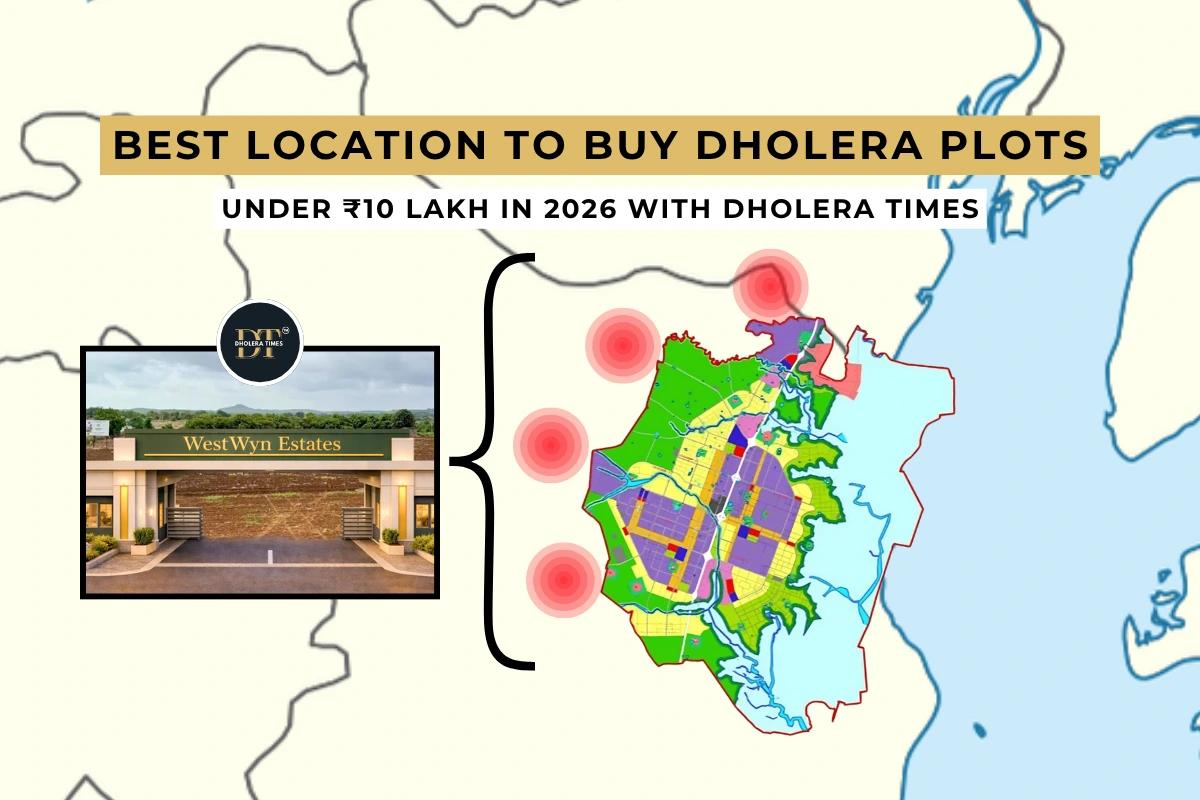
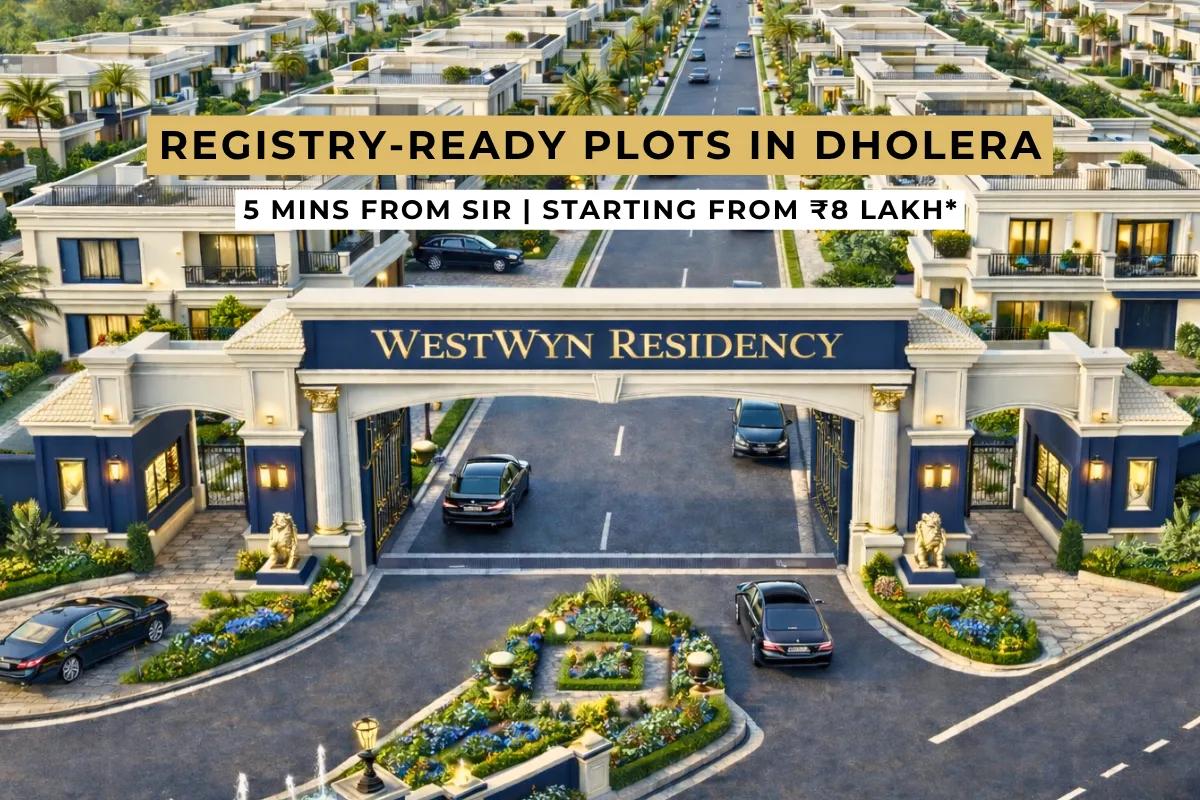
A. Buyers can explore WestWyn Estates, offering premium residential plots in Polarpur, Dholera, with direct entry from State Highway-117 (150 foot road) and strong connectivity linked to the expressway.
Share With Your Friends & Family: