Dholera International Airport Development and Its Impact on Gujarat’s Global Reach
Key Highlights
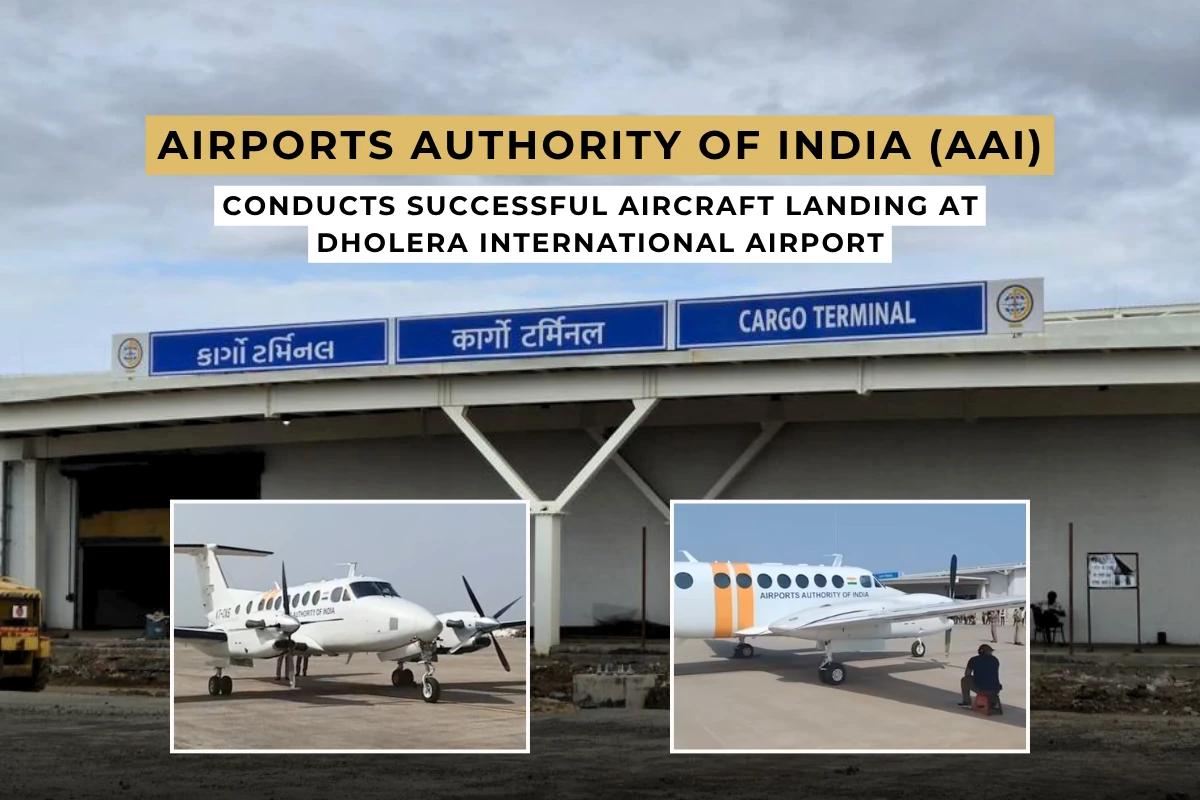
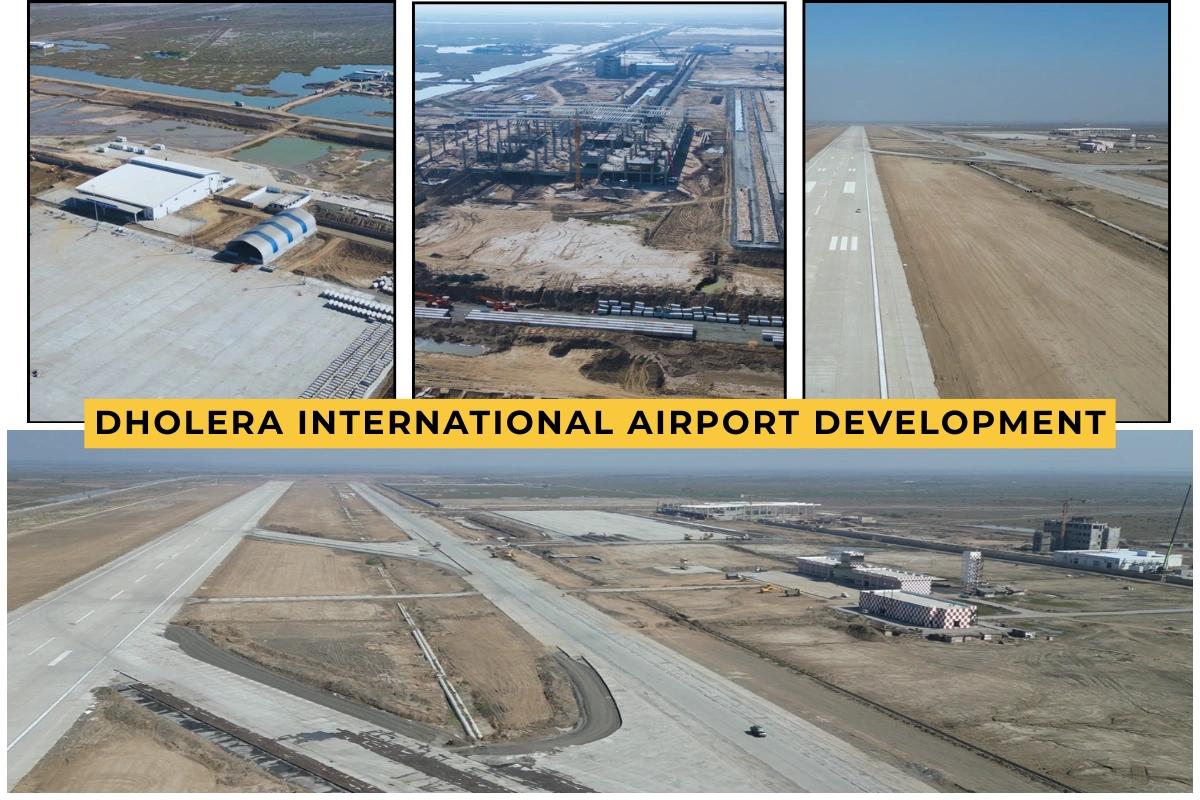
ANS- YES, Dholera International Airport is being developed as a cargo-led, industry-focused aviation hub that strengthens Gujarat’s global trade and manufacturing connectivity. Integrated with industrial corridors and smart infrastructure, it enhances Gujarat’s ability to link local production with international markets.
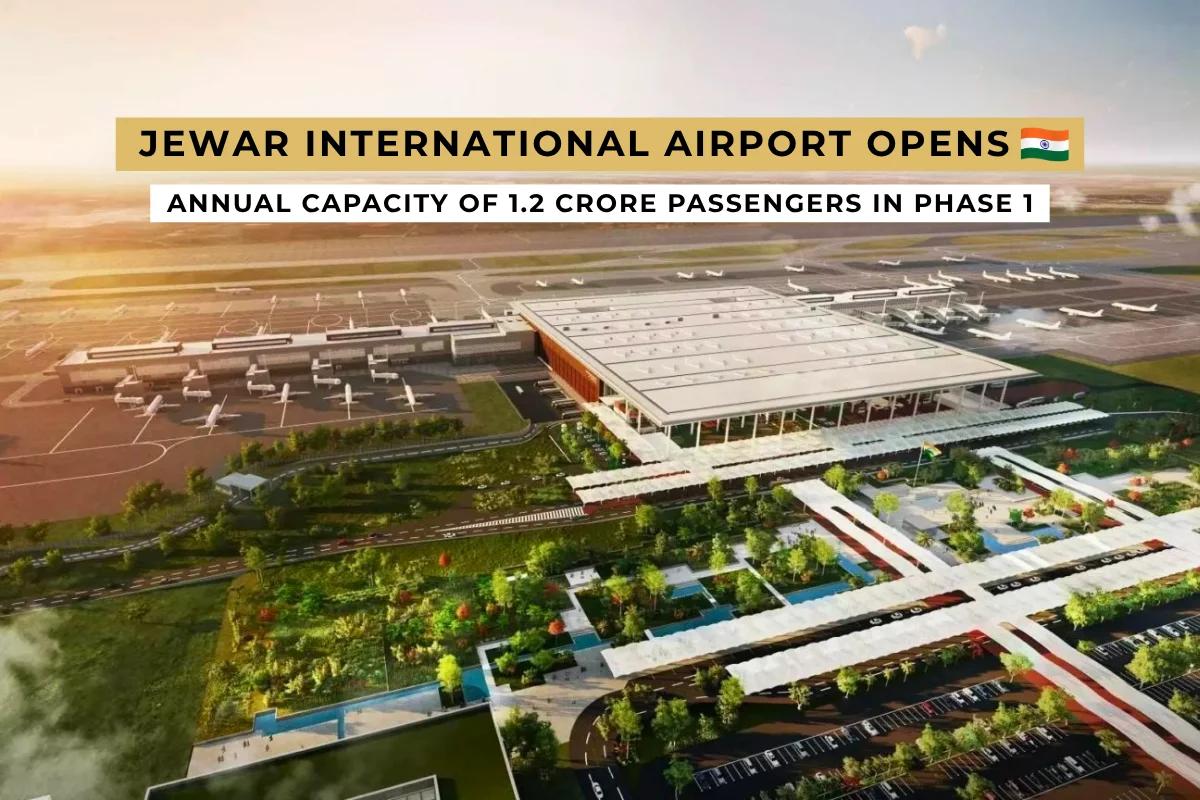
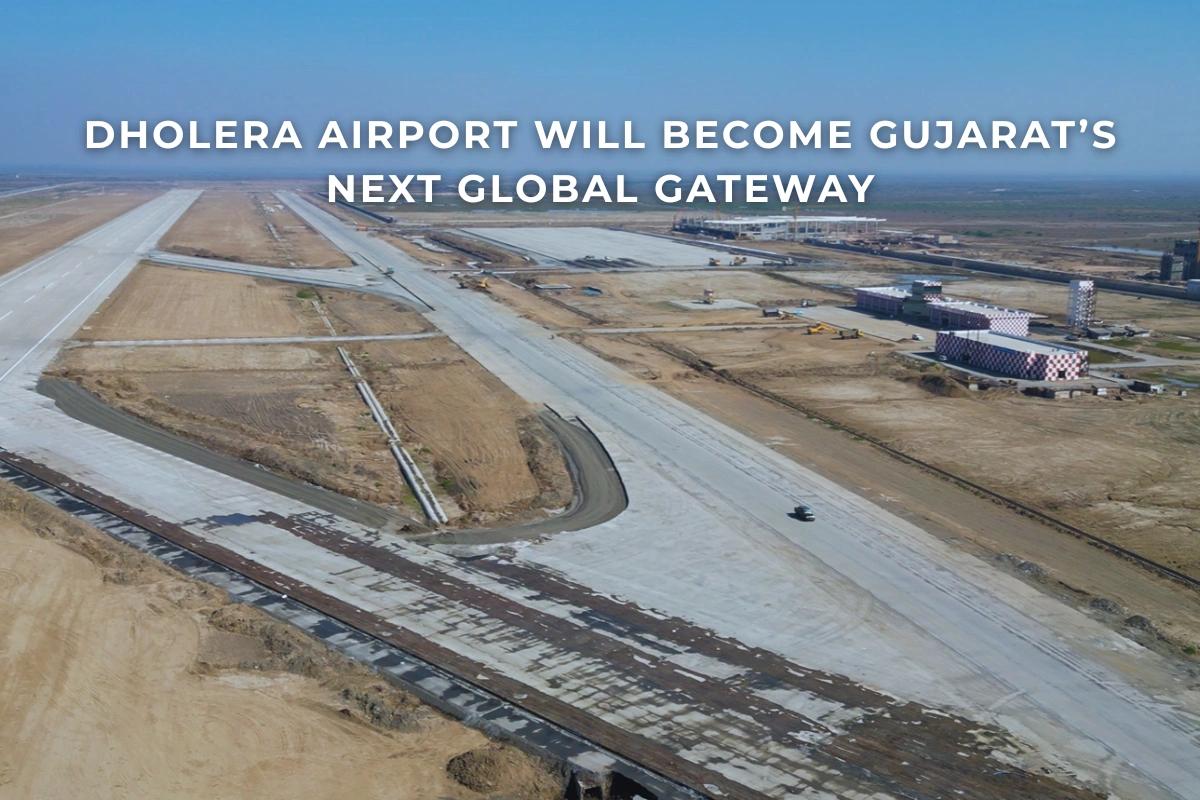
Gujarat’s economic strategy is increasingly centered on long-term infrastructure that supports manufacturing, exports, and global trade. One of the most significant projects reflecting this approach is Dholera International Airport, planned not as a response to present-day passenger demand but as a future-facing logistics and industrial gateway. Its development highlights how Gujarat is aligning connectivity with production rather than population.
Developed alongside Dholera Smart City, the airport represents a shift in aviation planning where air connectivity becomes a foundational layer of industrial growth. Instead of retrofitting infrastructure into congested cities, Gujarat is building capacity in advance, enabling industries to scale smoothly over time.
Airports as Economic Infrastructure, Not Transit Facilities
In modern economies, airports serve far more than travel needs. They act as critical nodes within global supply chains, influencing how efficiently goods move across borders. Gujarat’s planning recognizes this transformation and positions Dholera accordingly.
Located within the DMIC corridor, Dholera benefits from a framework designed to integrate manufacturing, logistics, and infrastructure. The airport strengthens this ecosystem by ensuring international connectivity is available from the early stages of industrial development. This reduces dependence on distant urban airports and lowers long-term logistics costs.
Such infrastructure-led planning improves reliability for exporters and makes industrial regions globally competitive.
Strategic Importance of the Airport’s Location
The Dholera International Airport location has been selected to maximize operational efficiency rather than urban convenience. Positioned within Dholera, it maintains workable access to Ahmedabad while avoiding congestion and land constraints typical of city-based airports.
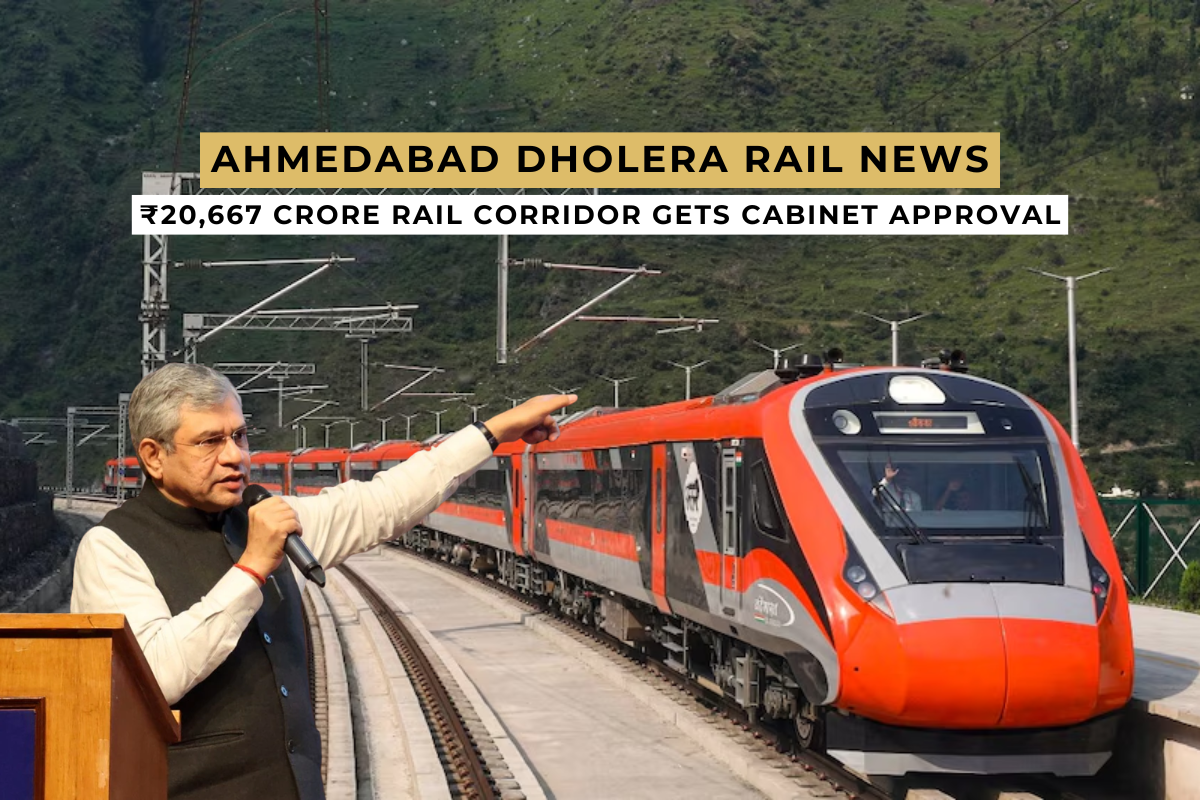
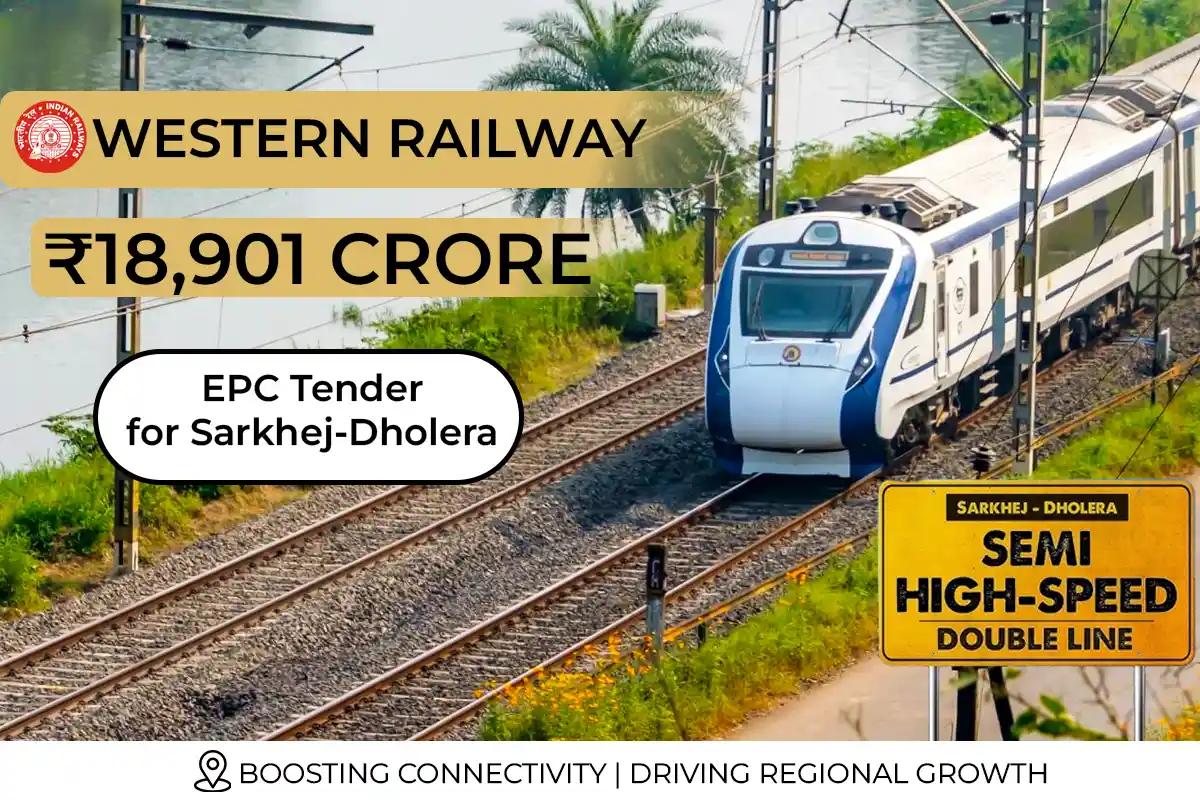
The Ahmedabad-Dholera Expressway significantly enhances this advantage by enabling faster surface connectivity for goods, workforce movement, and support services. This expressway-airport combination creates a predictable logistics environment-an essential factor for industries operating on tight global schedules.
Rather than duplicating urban aviation functions, the airport complements existing hubs by serving industrial requirements.
Cargo-Led Planning for Global Trade Networks
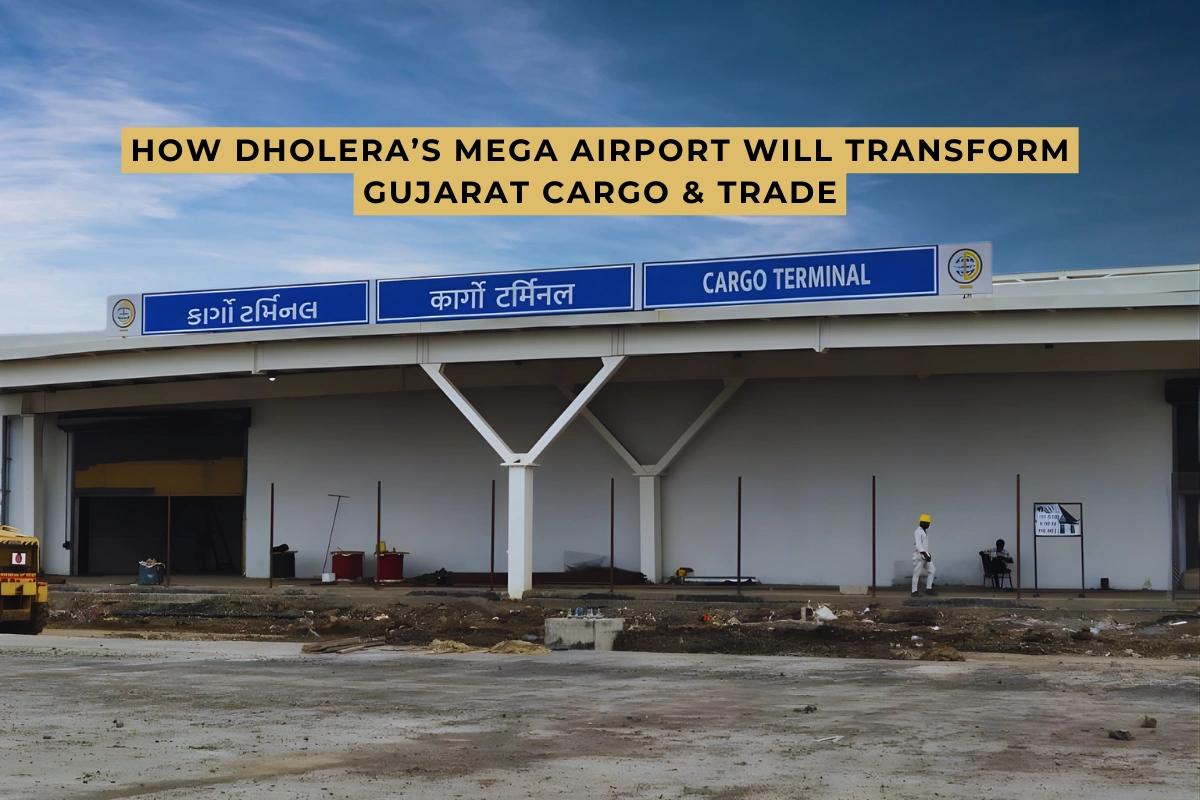
A defining feature of the project is its role as an industrial cargo airport. Cargo-focused airports are increasingly important in economies where manufacturing and exports drive growth.
Cargo-led planning supports:
- High-value, time-sensitive goods movement
- Reliable export schedules
- Reduced logistics bottlenecks
- Better alignment with industrial supply chains
This approach ensures that the airport’s relevance is not tied to passenger traffic cycles but to long-term trade activity.
Supporting High-Technology Manufacturing
Advanced industries depend on precision logistics. As semiconductor manufacturing in Indiaexpands, infrastructure capable of handling sensitive and high-value cargo becomes essential. The movement of semiconductor equipment requires controlled handling, strict timelines, and dependable international connectivity.
Dholera’s integrated planning supports these requirements by embedding aviation within an industrial ecosystem. This reduces operational uncertainty and improves coordination with global suppliers, strengthening India’s manufacturing credibility.
These capabilities also reflect ongoing Dholera Smart City progress, where readiness for complex industries is a key objective.
Institutional Planning and Governance Strength
Large infrastructure projects succeed when governance and execution are aligned. In Dholera, institutional coordination through mechanisms such as the ABCD Building Dholera (Administrative and Business Centre Dholera) ensures planning consistency across sectors.
This structure supports:
- Coordinated infrastructure rollout
- Clear development frameworks
- Reduced approval friction
- Long-term scalability
Such governance discipline is critical for projects intended to operate over multiple decades.
Broader Economic Effects of the Airport
The airport’s influence extends beyond aviation infrastructure. Improved connectivity accelerates industrial activity and encourages the growth of logistics, warehousing, and service ecosystems.
These outcomes strengthen smart city investments and support sustainable investment opportunities in India anchored in infrastructure performance. Over time, this environment contributes to steady growth in property investment in India and land investment in India, driven by functional demand rather than speculation.
Dholera’s Role Among India’s Emerging Urban Centres
Among upcoming cities in India, Dholera stands apart due to its integrated infrastructure model and global connectivity. The presence of an international airport within a planned smart city ecosystem enhances its long-term competitiveness.
This combination of governance, logistics readiness, and industrial orientation increasingly positions Dholera as a strong contender for the best city to invest in in India, particularly for stakeholders focused on infrastructure-backed growth.
Final Perspective
The development of Dholera International Airportreflects Gujarat’s shift toward long-term, infrastructure-led global integration. Anchored within Dholera Smart City, aligned with national industrial frameworks, and supported by efficient surface connectivity, the airport strengthens Gujarat’s role in global trade and manufacturing.
Rather than addressing short-term demand, the project focuses on enduring relevance, supporting industrial growth, export competitiveness, and sustainable urban development. As Dholera continues to evolve, the airport will remain a defining asset shaping its global reach.
Frequently Asked Questions
Q. How will Dholera International Airport impact Dholera Smart City?
A. The Dholera International Airport will improve connectivity, support logistics, and strengthen Dholera Smart City’s position as a global industrial hub.
Q. Why is the Dholera Airport important for Gujarat’s global reach?
A. The airport will connect Gujarat to global markets, supporting exports, trade, and industrial growth linked to Dholera Smart City.
Q. How does airport connectivity support industrial growth in Dholera?
A. Airport connectivity helps industries with faster logistics, cargo movement, and global access, which supports industrial growth in Dholera.
Q. Can the Dholera International Airport increase investment potential?
A. Yes. The airport can improve long-term Dholera investment potential by increasing accessibility, business activity, and global connectivity.
Q. Are there residential plots in Dholera benefiting from airport development?
A. Yes. Buyers can explore WestWyn Residency, offering premium residential plots in Pipariya, Dholera, located around 30 minutes from Dholera International Airport, suitable for long-term investment.
Share With Your Friends & Family: