How Dholera Aligns with the Future Needs of Global Manufacturing
Key Highlights
How the Global Manufacturing Landscape Is Evolving
Over the past few years, the global manufacturing landscape has begun shifting in ways that were once considered unlikely. Rising supply chain risks, automation, and sustainability pressures are pushing companies to rethink where they build their next facilities. The focus has moved from simply finding low-cost locations to identifying regions with resilient smart city infrastructure and long-term scalability.
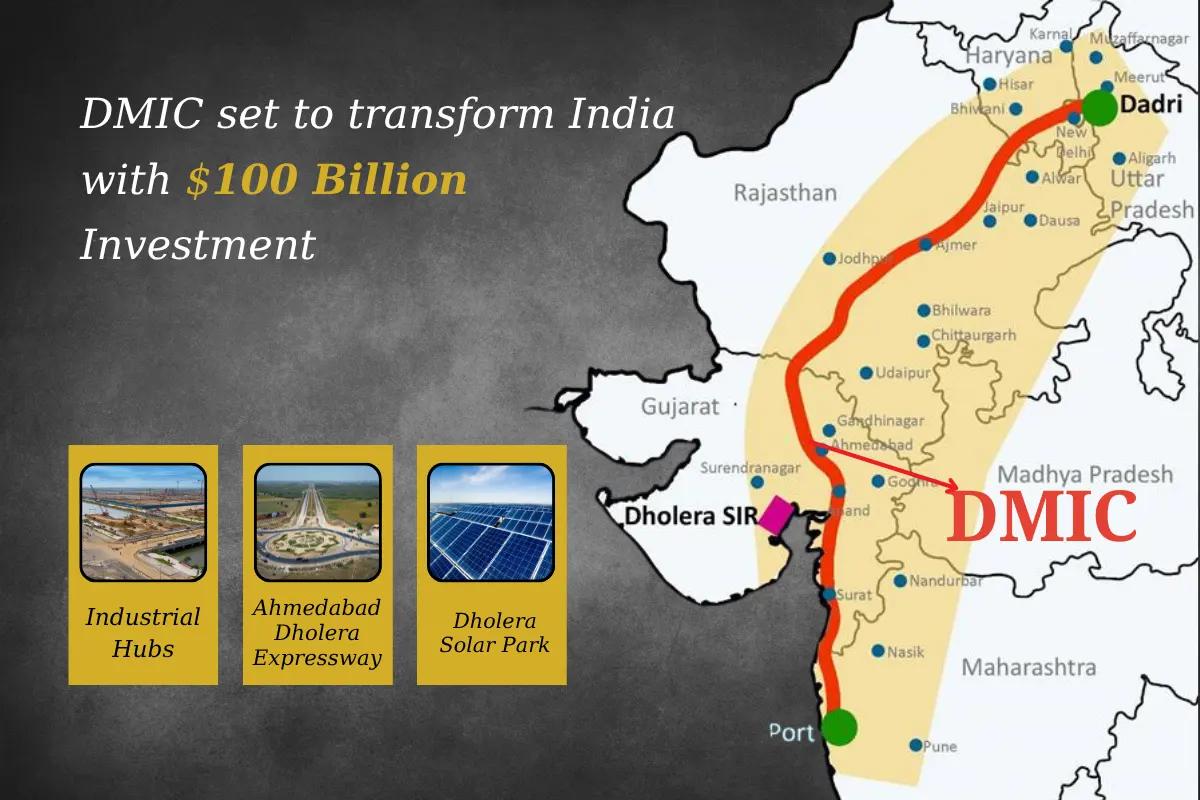
In India, Dholera Smart City has emerged as a closely monitored Greenfield Smart City within a notified special investment region India. Designed as part of the Delhi-Mumbai Industrial Corridor, the project represents a new generation of planned industrial ecosystems.
As global manufacturers evaluate their next moves, the critical question is whether emerging regions like Dholera can meet the demanding requirements of the next industrial cycle.
Why Legacy Industrial Locations Are Facing New Challenges
For decades, manufacturers prioritized low labor costs and proximity to ports. That formula is no longer sufficient. High-value sectors such as semiconductor manufacturing, solar manufacturing, and advanced electronics now depend on highly stable and integrated environments.
Older industrial belts often face:
- Fragmented land availability
- Utility reliability challenges
- Urban congestion
- Environmental compliance pressures
Because of this, many companies are exploring master-planned regions with Plug-and-play infrastructure already in place. This shift is one reason why dholera smart city investment discussions have intensified in recent years.
The Infrastructure-First Model Gaining Attention
One defining feature of next-generation industrial regions is the infrastructure-first approach. Instead of waiting for industries to arrive and then building support systems, planners are developing core utilities in advance.
Smart Utility Backbone
Modern industrial investors increasingly evaluate:
- Power reliability
- Digital connectivity
- integrated water management systems
- Stormwater and drainage planning
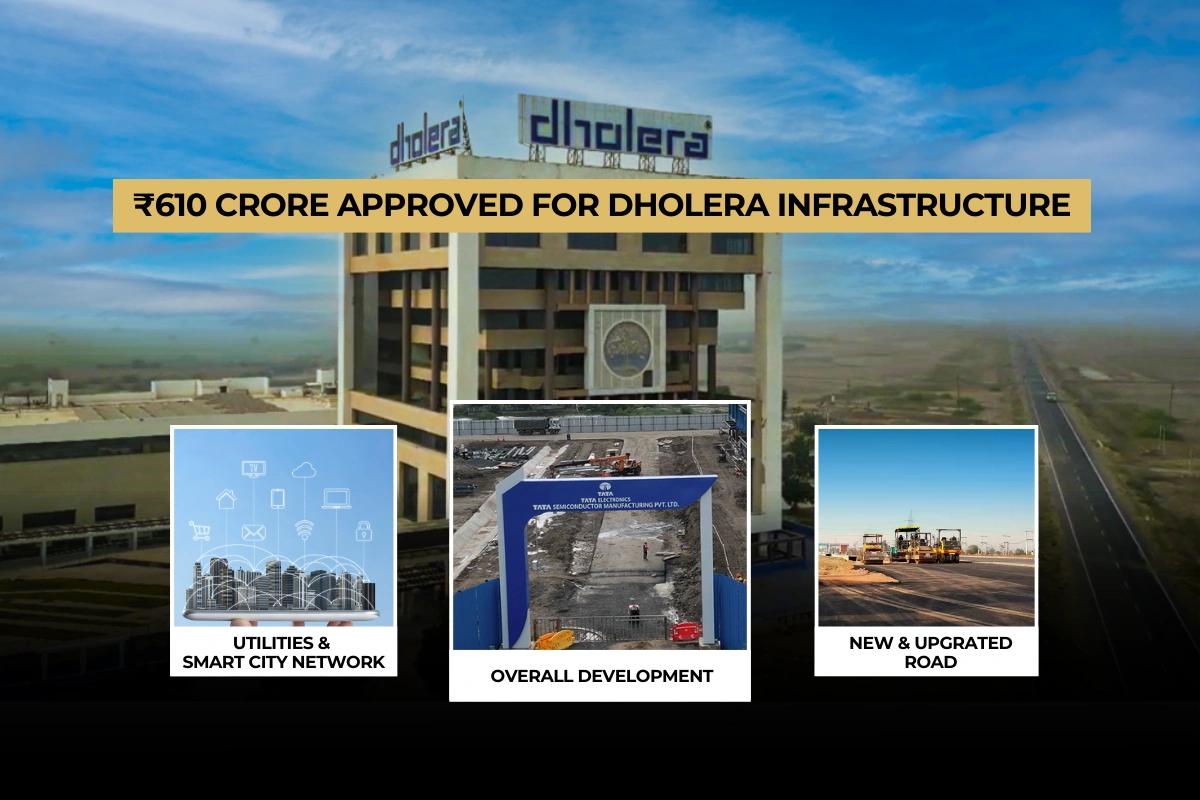
In Dholera, the Dholera sir infra development strategy has focused heavily on underground utility corridors and trunk infrastructure. Such planning is particularly relevant for sectors like chip manufacturing India initiatives, where even minor disruptions can affect production.
Sustainable Water Systems
Water security has become a strategic factor. A robust sustainable water system ensures that large facilities, especially solar cell manufacturing and semiconductor plants-can operate without long-term resource stress.
Understanding What is integrated water management? is increasingly important for investors assessing future industrial viability.
The Importance of Multimodal Connectivity in Industrial Planning
While land and utilities form the base, logistics efficiency often determines long-term success. Manufacturers today prioritize regions that can function as a true logistics hub in India.
Dholera’s connectivity framework includes:
- The Ahmedabad–Dholera Expressway
- Planned monorail route proposals
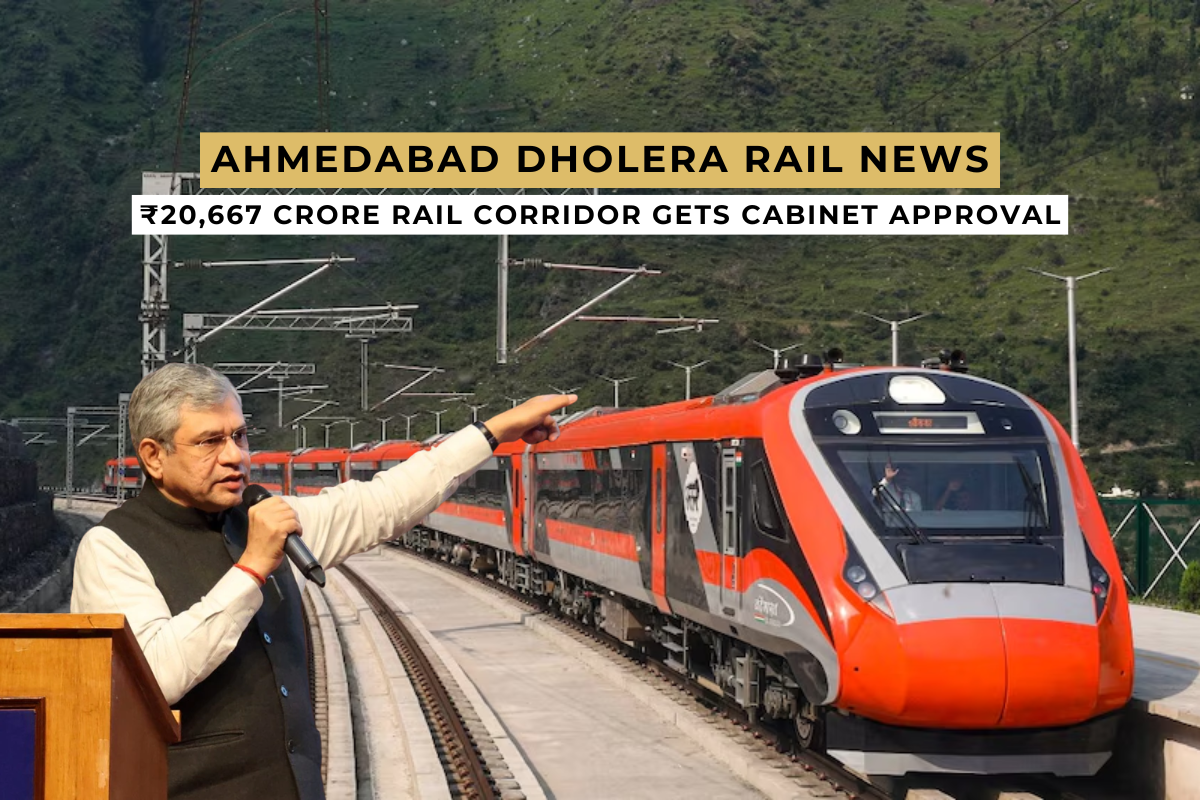
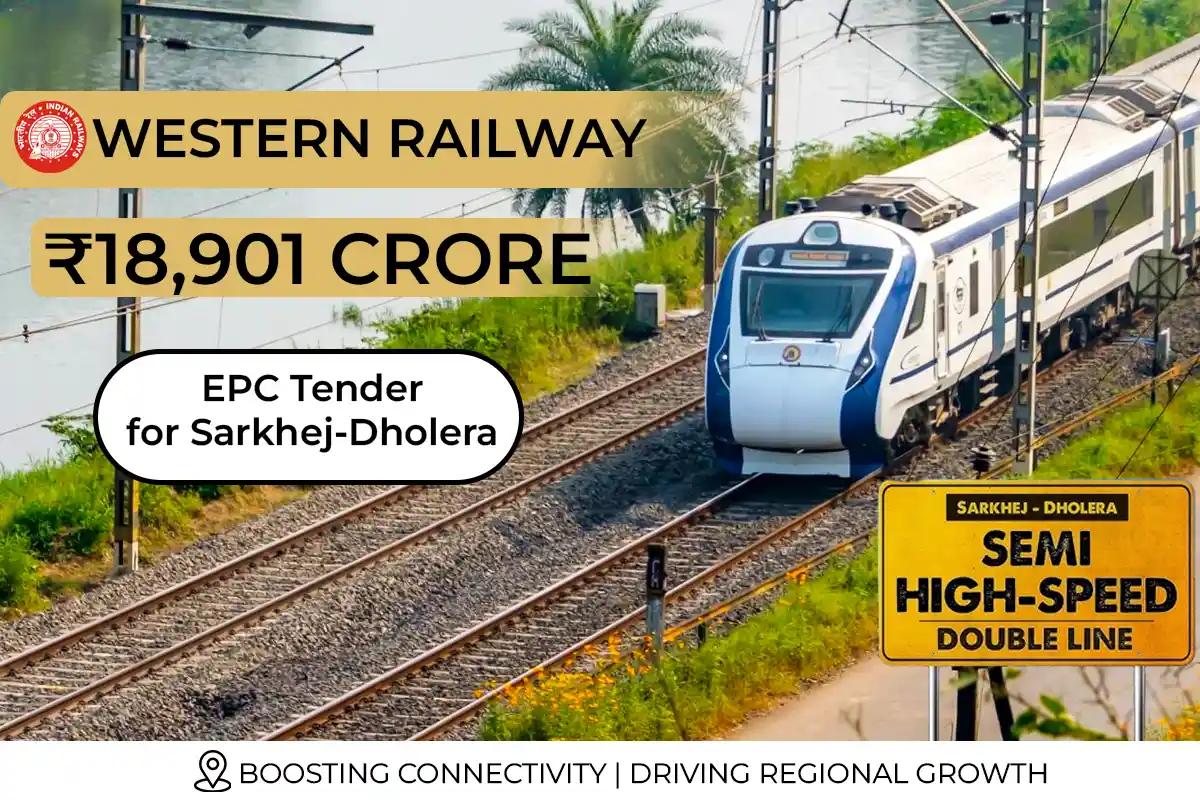
- Future dholera railway station connectivity
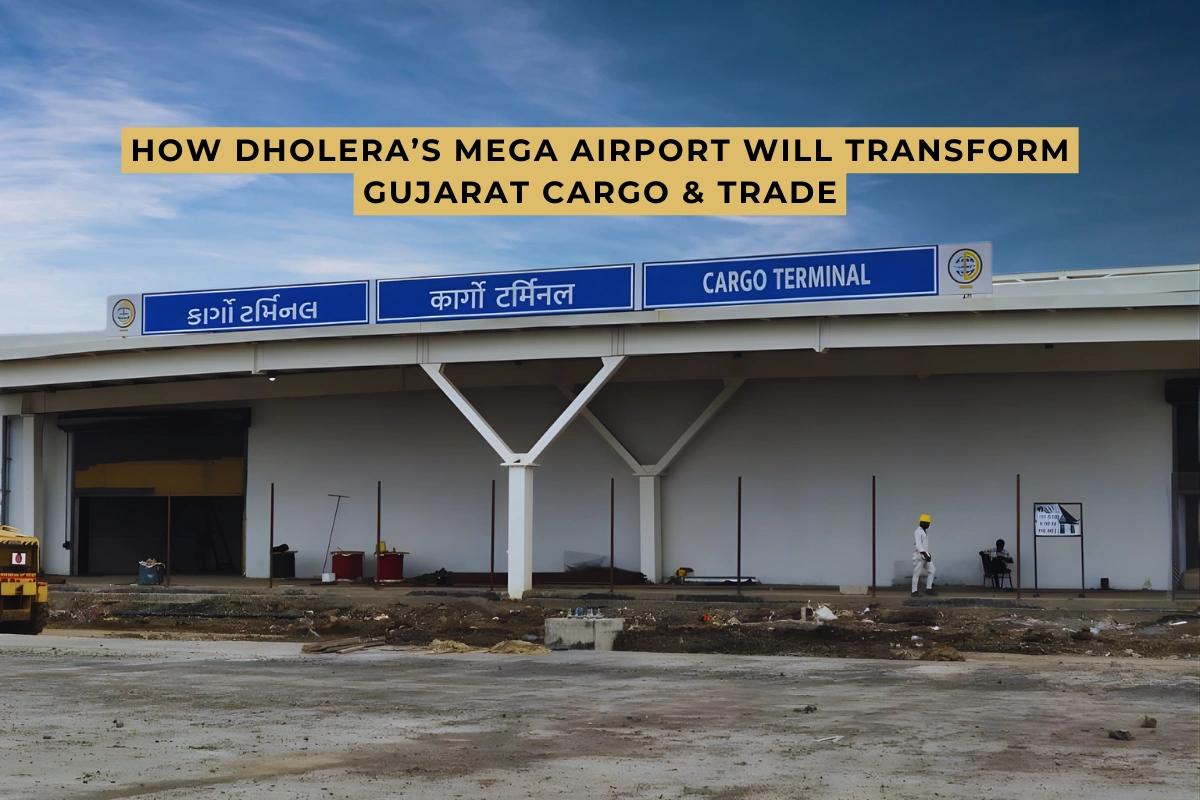
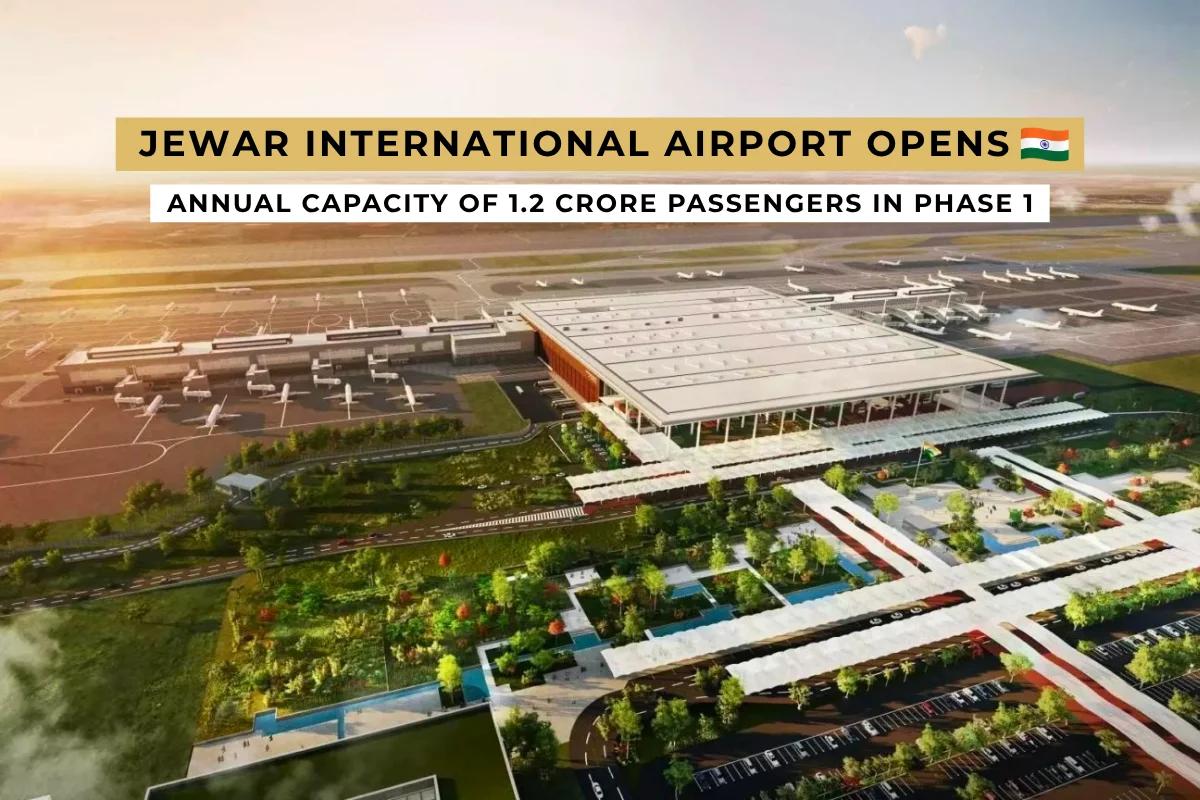
- The upcoming Dholera International Airport
The ahmedabad dholera expressway route is expected to significantly improve regional access, linking the emerging dholera industrial area more closely with the Ahmedabad economic zone.
For high-value manufacturing, such multimodal integration is no longer optional-it is foundational.
Why Renewable Energy Availability Matters for Industrial Locations
Environmental commitments are now influencing industrial location strategy. Global firms are under pressure to reduce carbon intensity, making renewable energy access a major advantage.
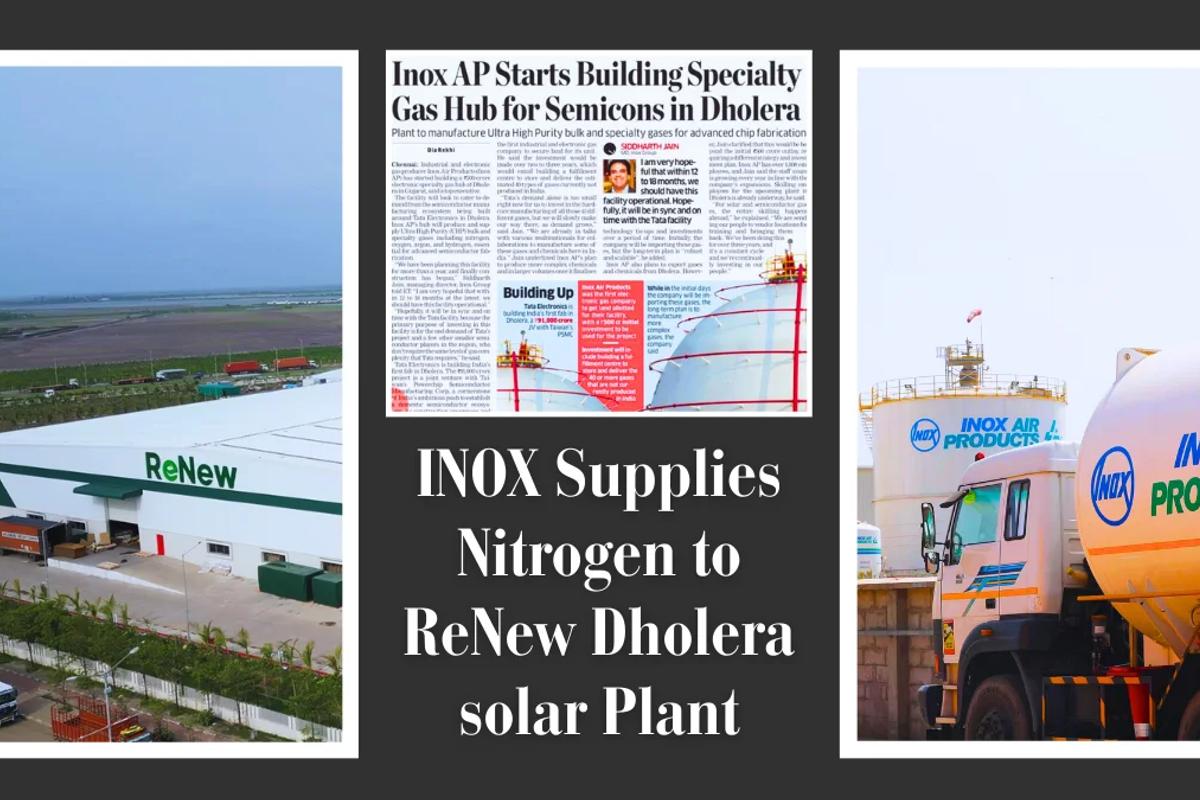
The presence of large-scale renewable initiatives in the region-including projects associated with ReNew Power and solar initiatives linked to Tata Power-signals alignment with the clean manufacturing trend.
Industries involved in industrial solar panels and solar manufacturing particularly benefit from regions that can support green power integration from the outset.
Semiconductor Momentum and Advanced Manufacturing
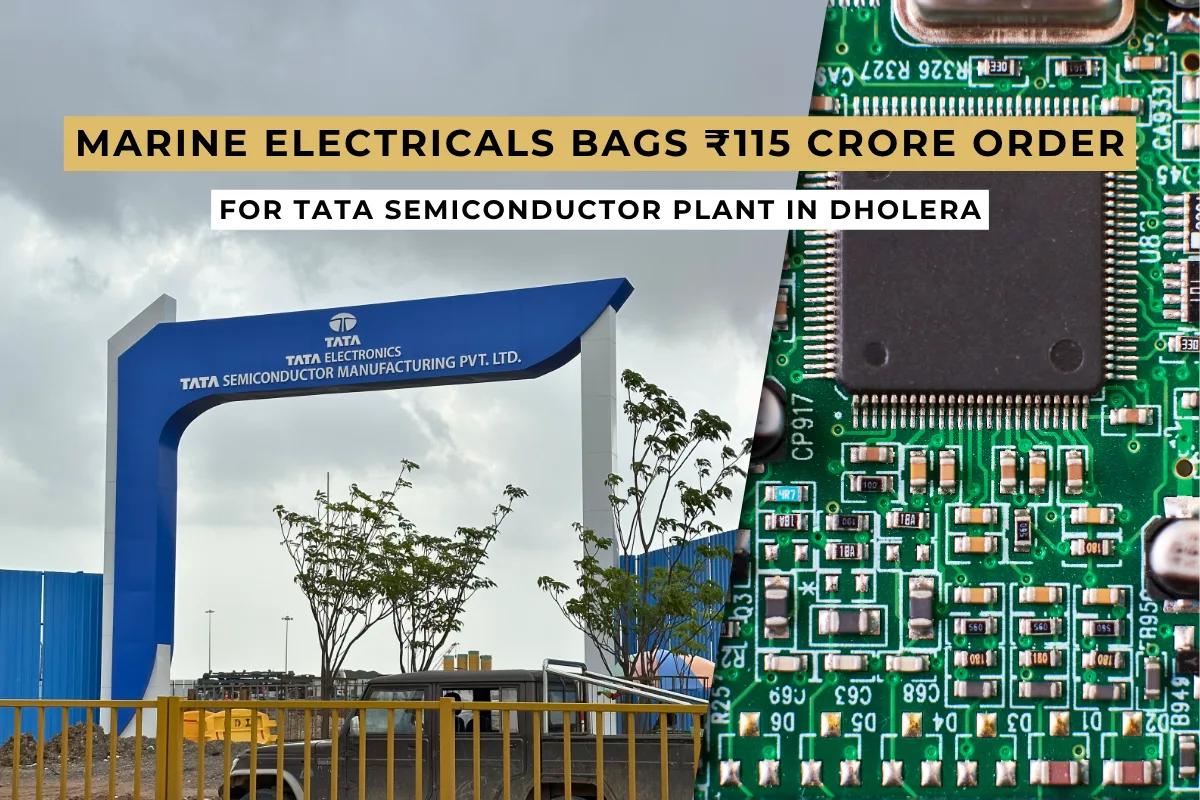
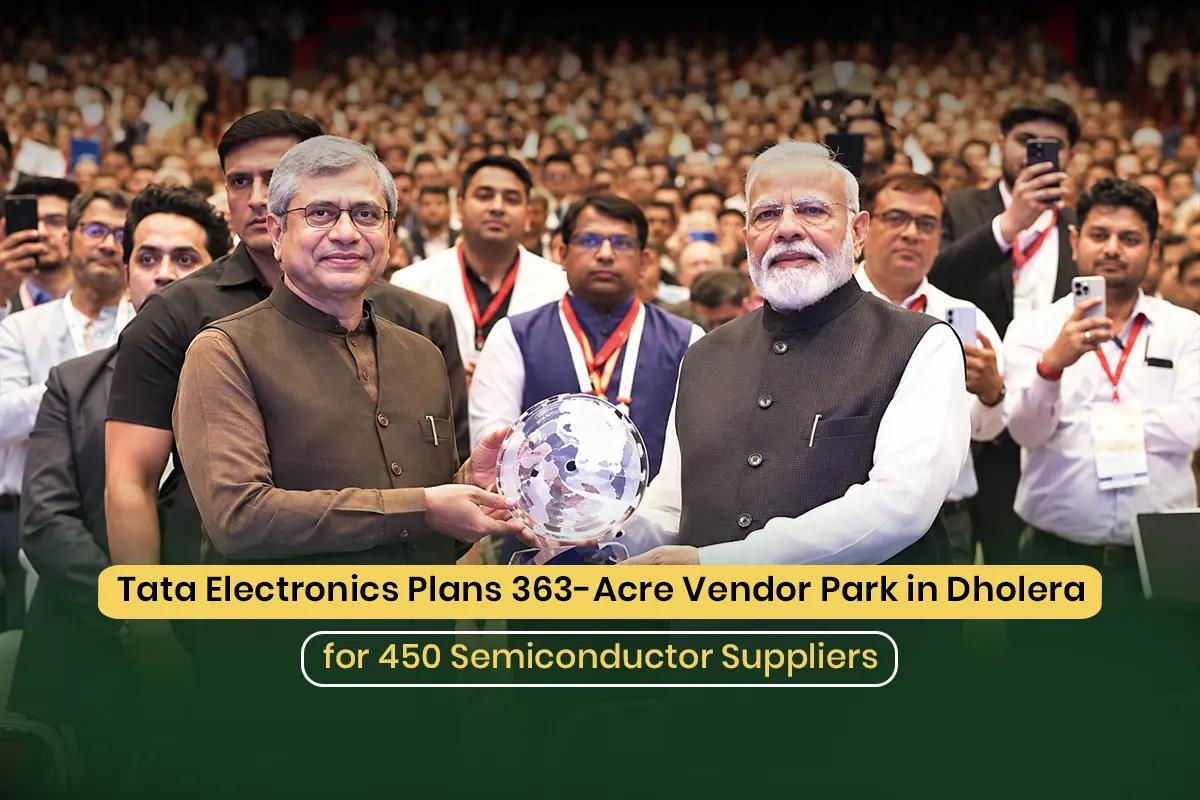
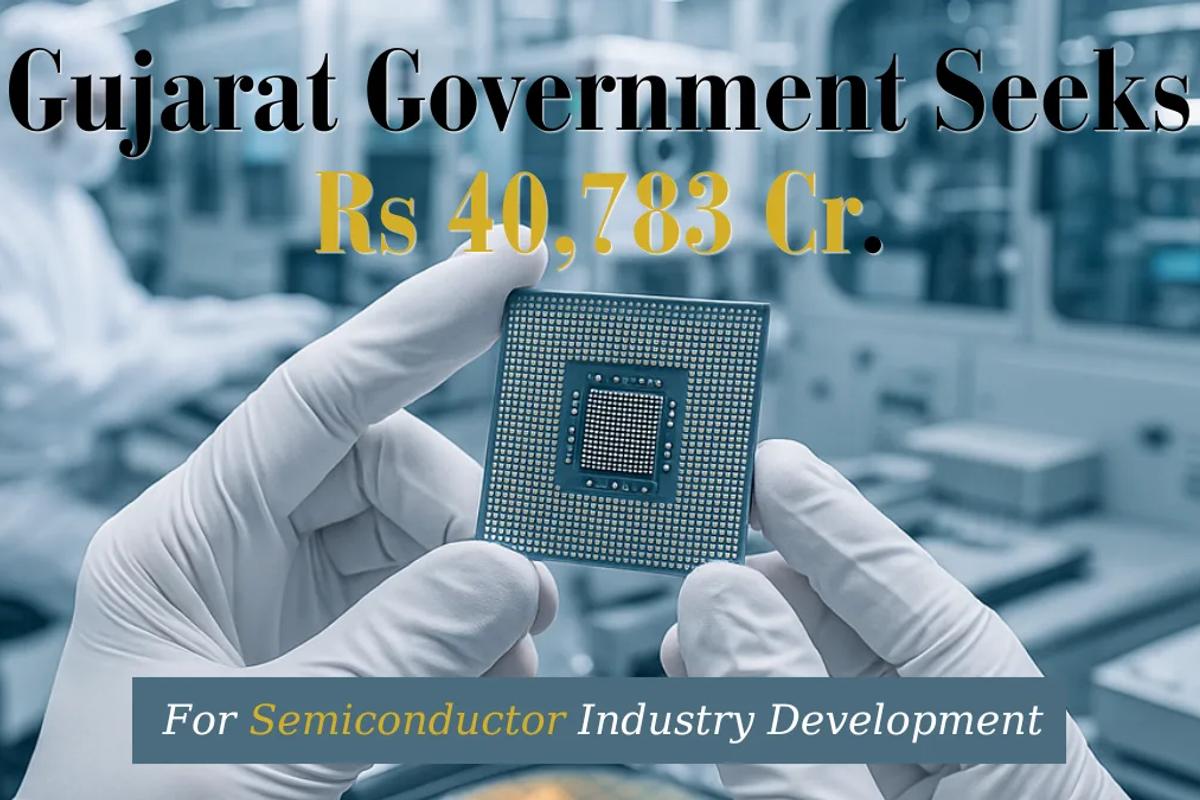
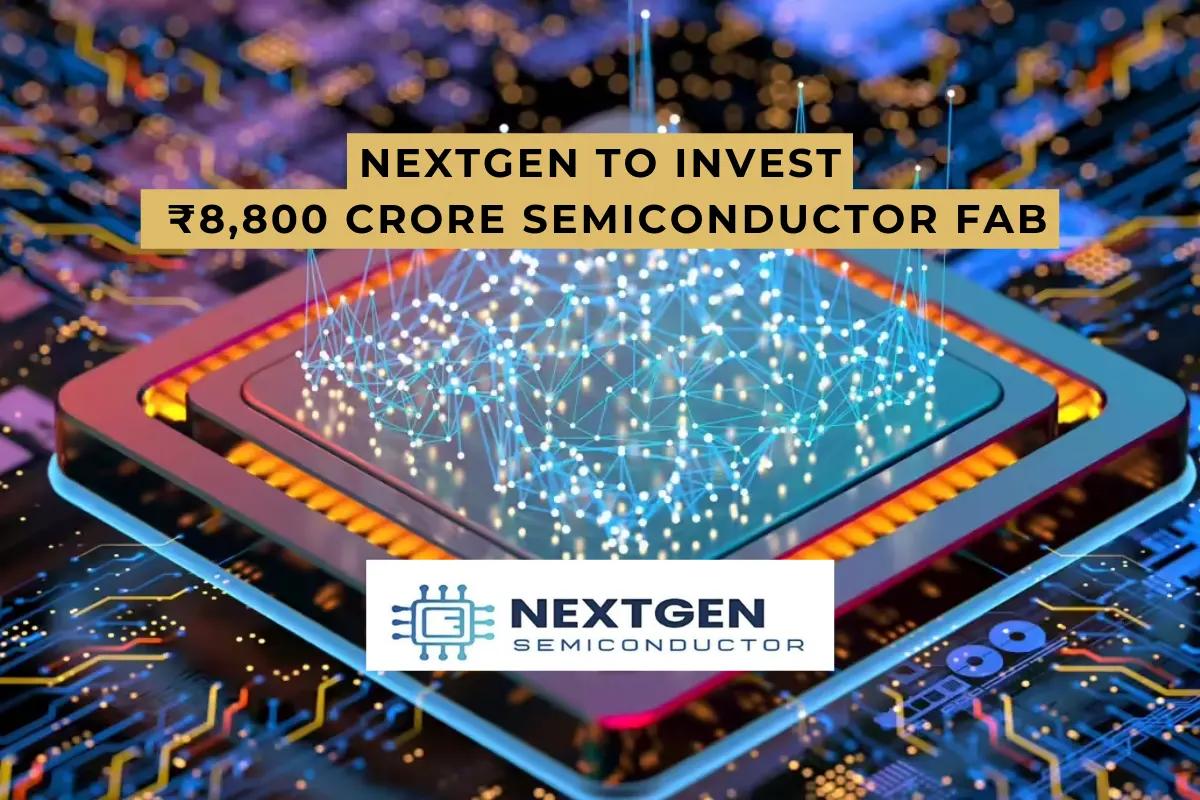
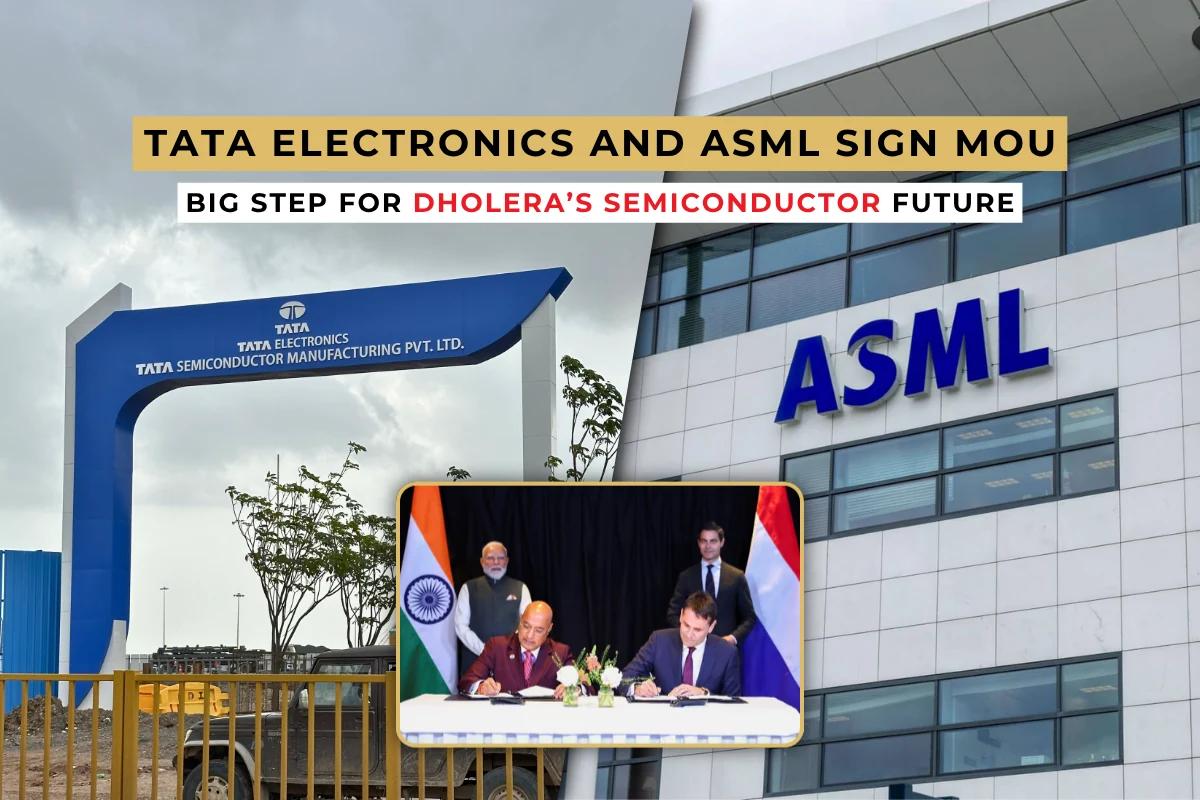
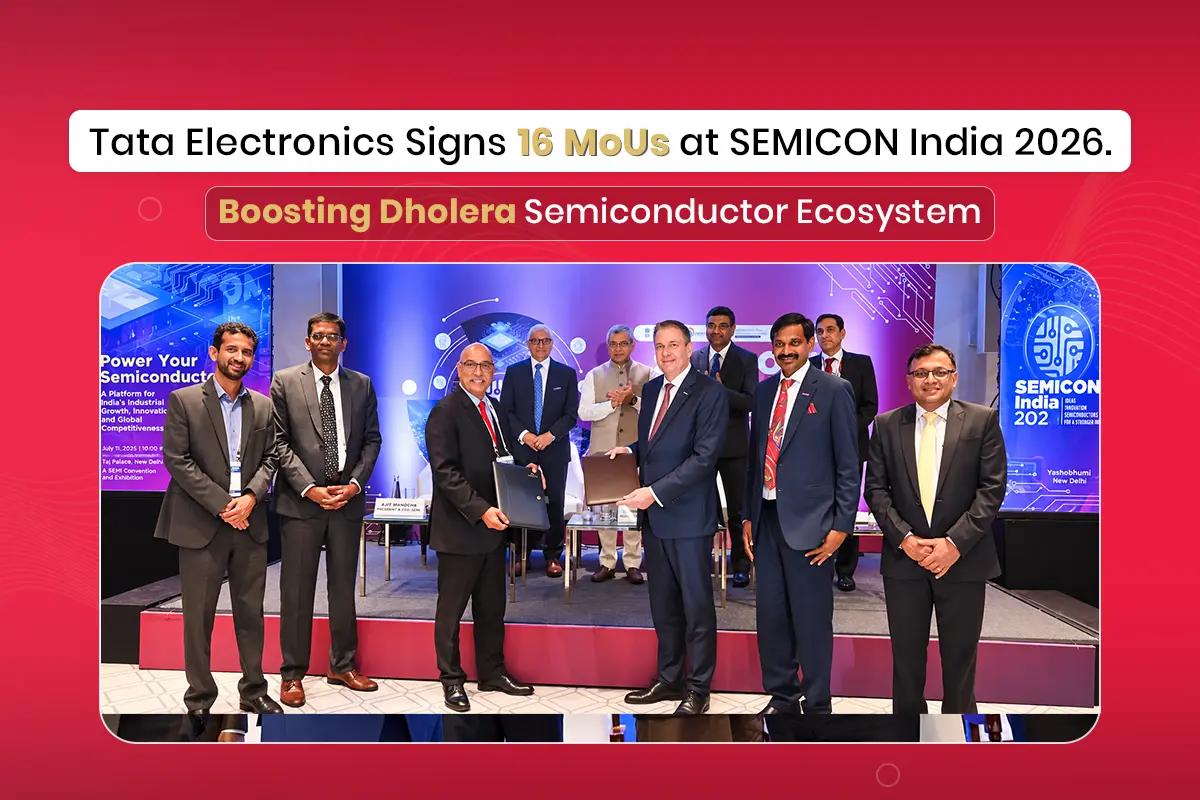
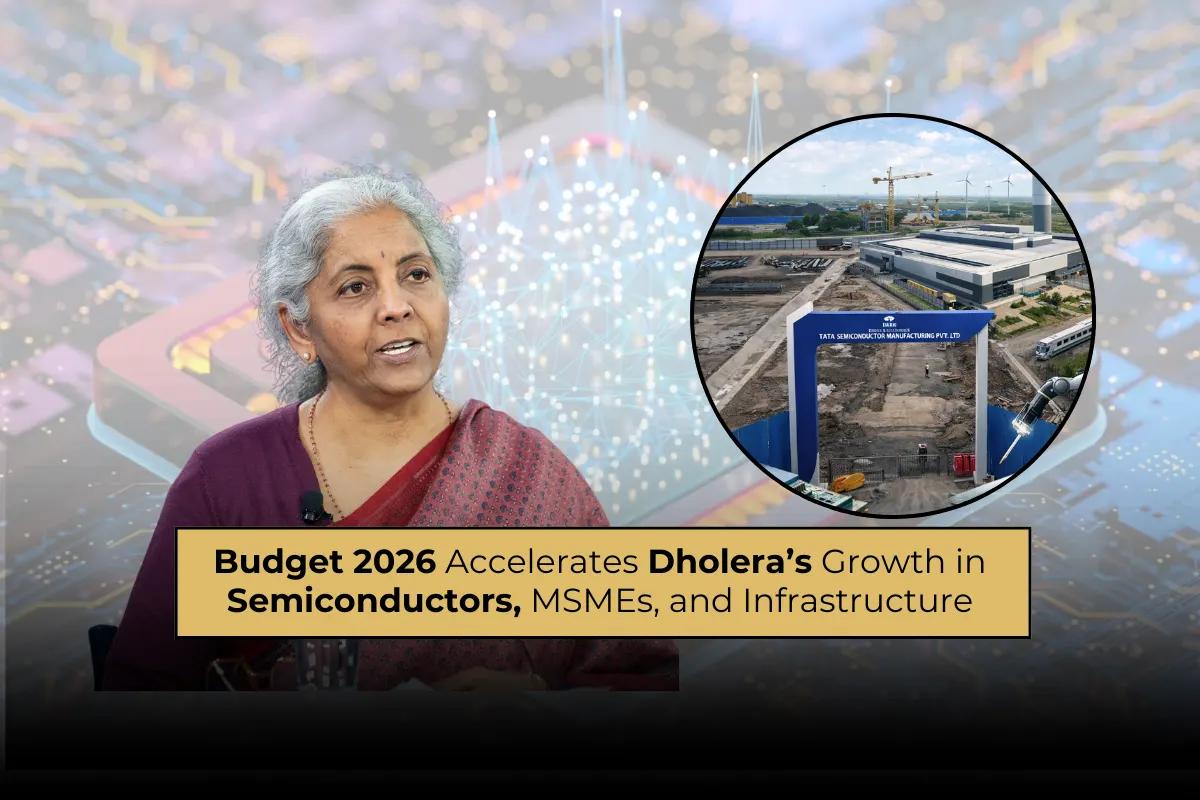
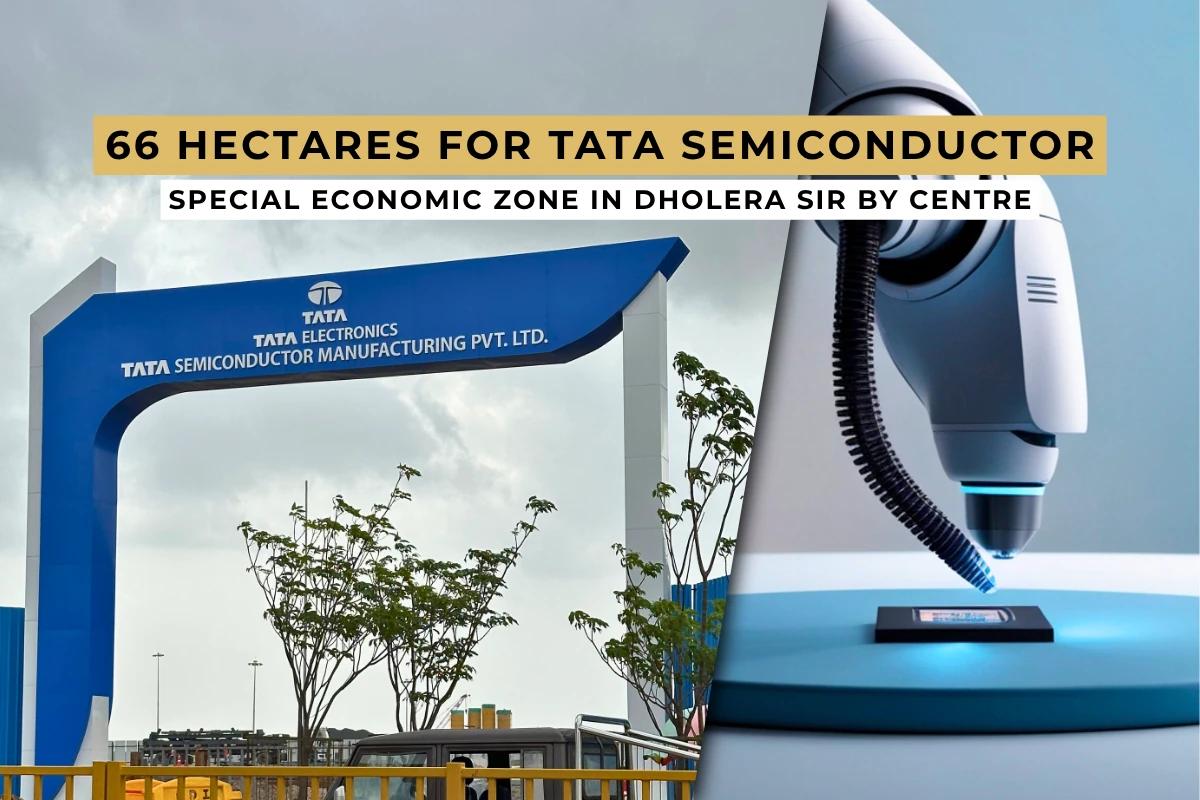
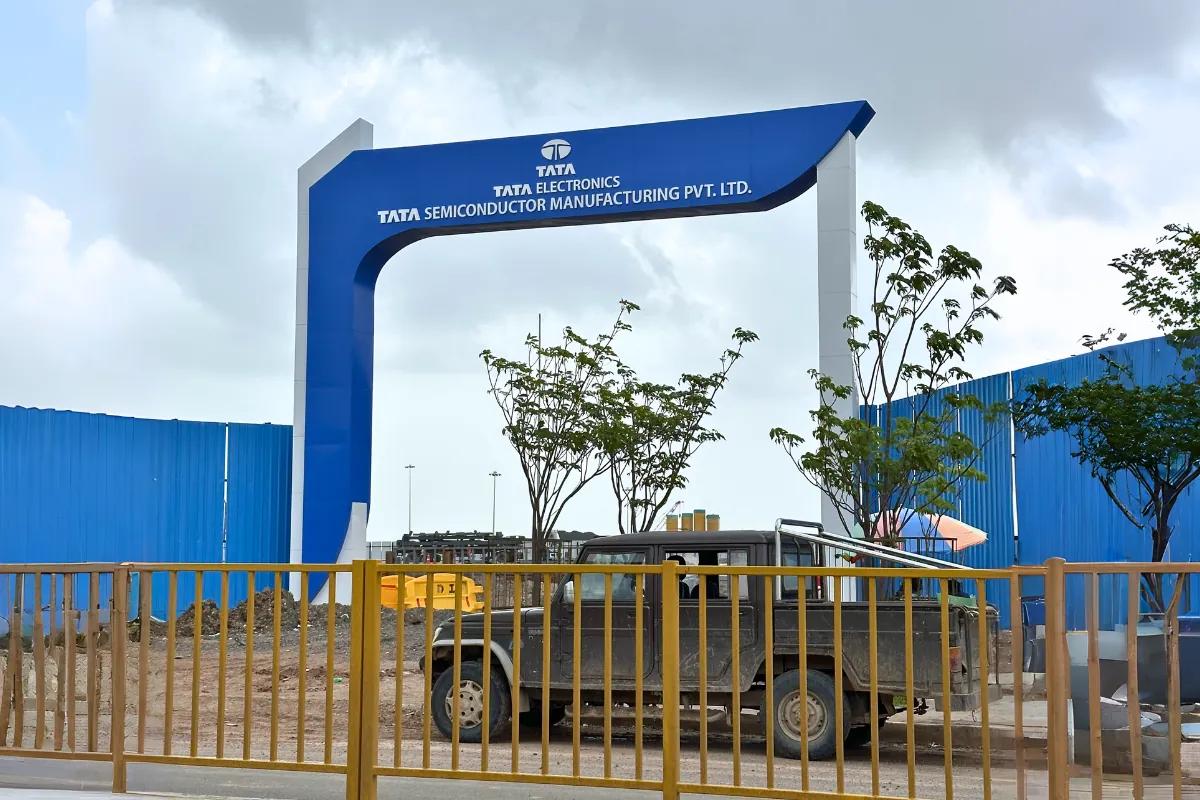
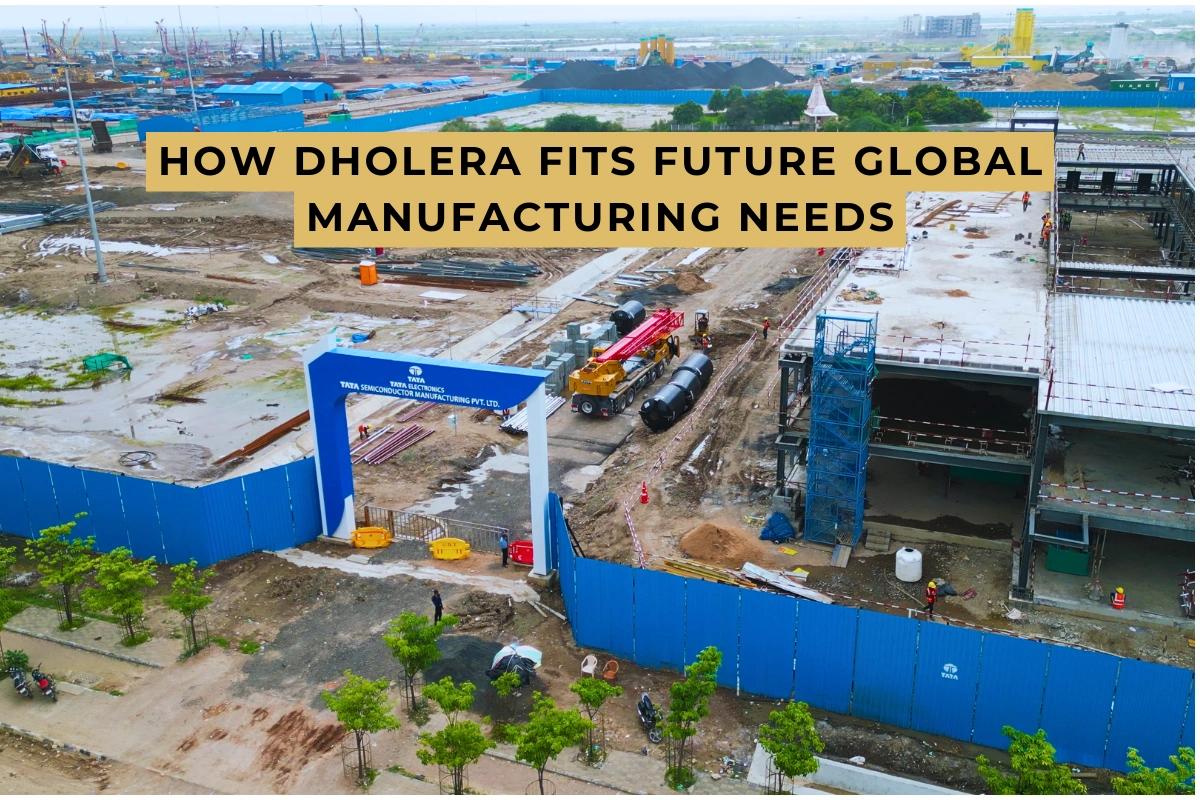
India’s push toward Semiconductor manufacturing in India is reshaping the industrial conversation. The proposed Tata Electronics semiconductor facility and the broader expansion of the India semiconductor industry have drawn attention to infrastructure-ready locations.
Global semiconductor firms including players like ROHM Semiconductor-typically evaluate regions on very strict parameters:
- Ultra-stable power
- Cleanroom-ready environments
- High logistics efficiency
- Policy predictability
- Skilled technical ecosystem
The Dholera activation area has been structured to accommodate such requirements over time, though ecosystem maturity will remain a key watch factor.
Key Investment Indicators to Track in Emerging Industrial Regions
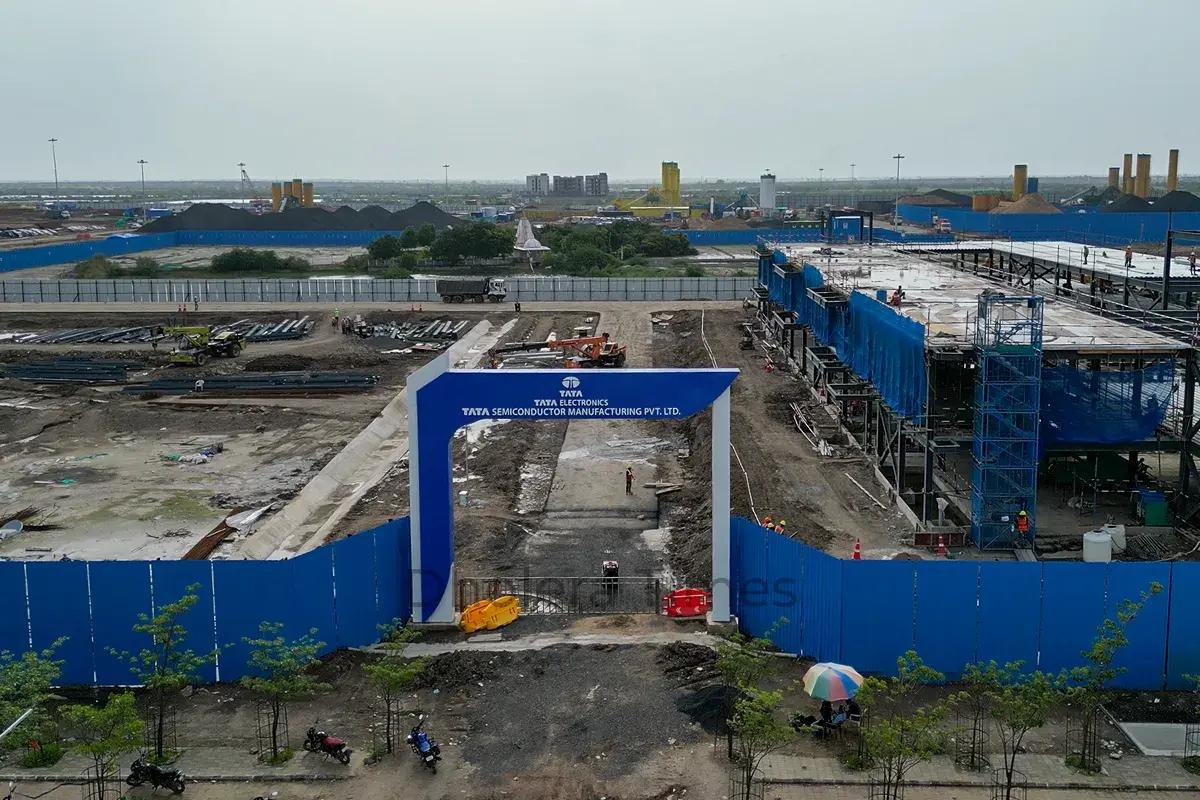
For those tracking investment in Dholera smart city, it is important to separate structural progress from short-term noise.
- Industrial Land Dynamics
Interest in dholera sir industrial plots and plots in dholera smart city often rises ahead of major industrial commitments. However, long-term performance typically depends on actual industrial absorption rather than speculative activity.
Monitoring dholera industrial land price movement alongside infrastructure utilization provides a more balanced picture.
- Policy and Corridor Alignment
Because Dholera sits within the DMIC framework, its trajectory is closely tied to national industrial policy momentum. This linkage is one reason institutional observers continue to monitor dholera investment trends.
For investors evaluating Land investment in India, policy-backed regions often carry different risk-return dynamics compared with unplanned markets.
Is Dholera a Good Investment? A Long-Term View
The question is dholera a good investment does not have a one-size-fits-all answer. Much depends on investor time horizon and risk tolerance.
Historically, Greenfield Smart City developments follow a multi-stage evolution:
- Infrastructure creation
- Anchor industry arrival
- Supplier ecosystem growth
- Residential and social build-out
- Self-sustaining economic momentum
Dholera is still progressing through the early phases of this curve. For investors focused on long-term capital appreciation, early-stage participation may align with long-horizon strategies. However, expectations must remain grounded in realistic development timelines.
Priority Areas in the Next Phase of Global Manufacturing
Looking ahead, the regions most likely to attract future Industrial investment will typically share several characteristics:
- Infrastructure built ahead of demand
- Strong multimodal logistics
- Reliable renewable energy access
- Scalable industrial zoning
- Policy continuity
- Ecosystem depth
Dholera’s planning framework attempts to align with many of these requirements. Whether it fully captures the opportunity will depend on sustained execution and industrial uptake over the coming years.
Final Thoughts
The global manufacturing shift is real, but it is also gradual and highly selective. Companies are becoming more sophisticated in how they evaluate locations, placing heavy emphasis on infrastructure quality, sustainability readiness, and long-term ecosystem potential.
Within India’s evolving industrial geography, Dholera Smart City represents an ambitious attempt to build a future-ready industrial environment from the ground up. For investors and industry observers alike, the key will be to track not just announcements, but the steady build-up of real industrial momentum.
Frequently Asked Questions
Q. Why is Dholera Smart City being developed as a global manufacturing hub?
A. Dholera Smart City is being developed as a global manufacturing hub due to planned infrastructure, large industrial zones, and strong government support
Q. What industries are expected to grow in Dholera Smart City?
A. Industries like semiconductors, electronics, renewable energy, logistics, and manufacturing are expected to grow in Dholera Smart City.
Q. How does global manufacturing impact Dholera’s long-term growth?
A. Global manufacturing can improve long-term growth by creating jobs, attracting investments, and strengthening the Dholera industrial ecosystem.
Q. Can Dholera compete with other global manufacturing locations?
A. Dholera is being positioned as a competitive location due to its planned development, cost advantage, and future-ready infrastructure.
Q. Are there residential plots in Dholera suitable for long-term investors?
A. Yes. Buyers can explore WestWyn Residency, which offers premium residential plots in Pipariya, Dholera, suitable for long-term buyers looking to benefit from future industrial growth.
Share With Your Friends & Family: