Tata Semiconductor Dholera: Complete Timeline, Construction Progress, and Future Plans (2024–2028)
Key Highlights
Published on- 22 December 2025
Last Updated- 09 June 2026
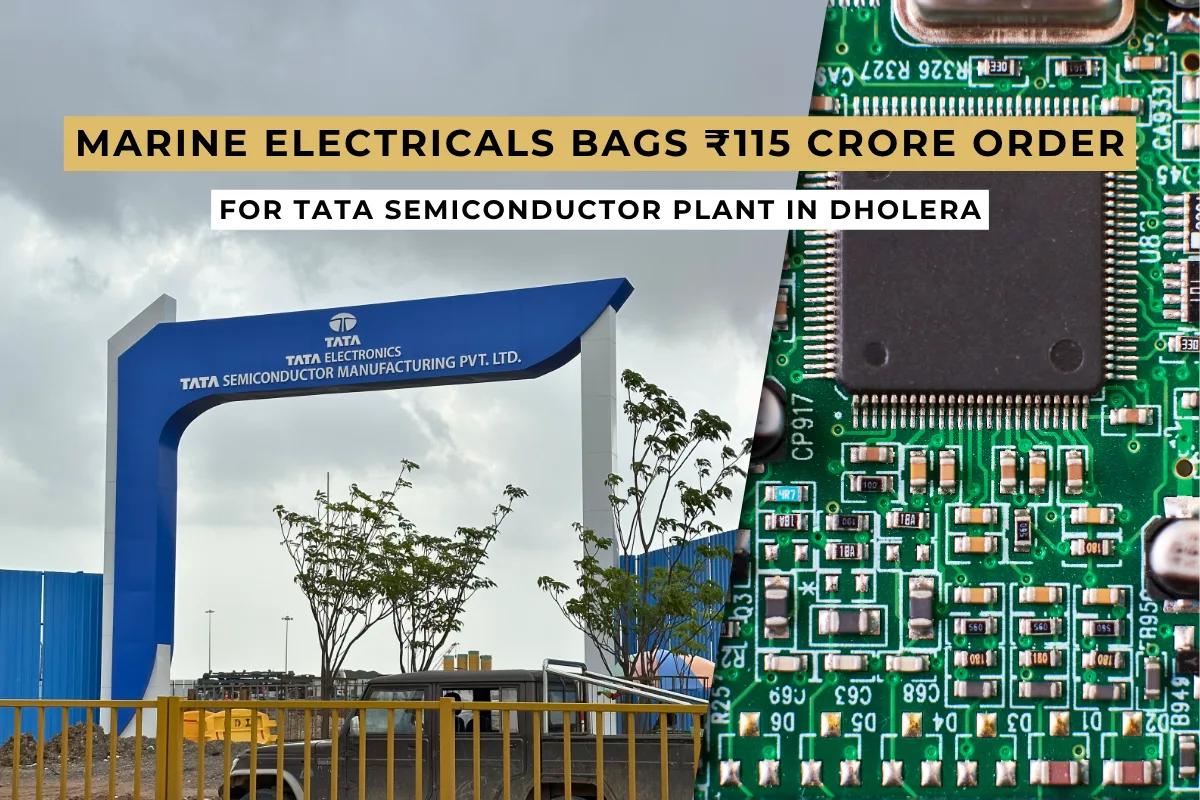
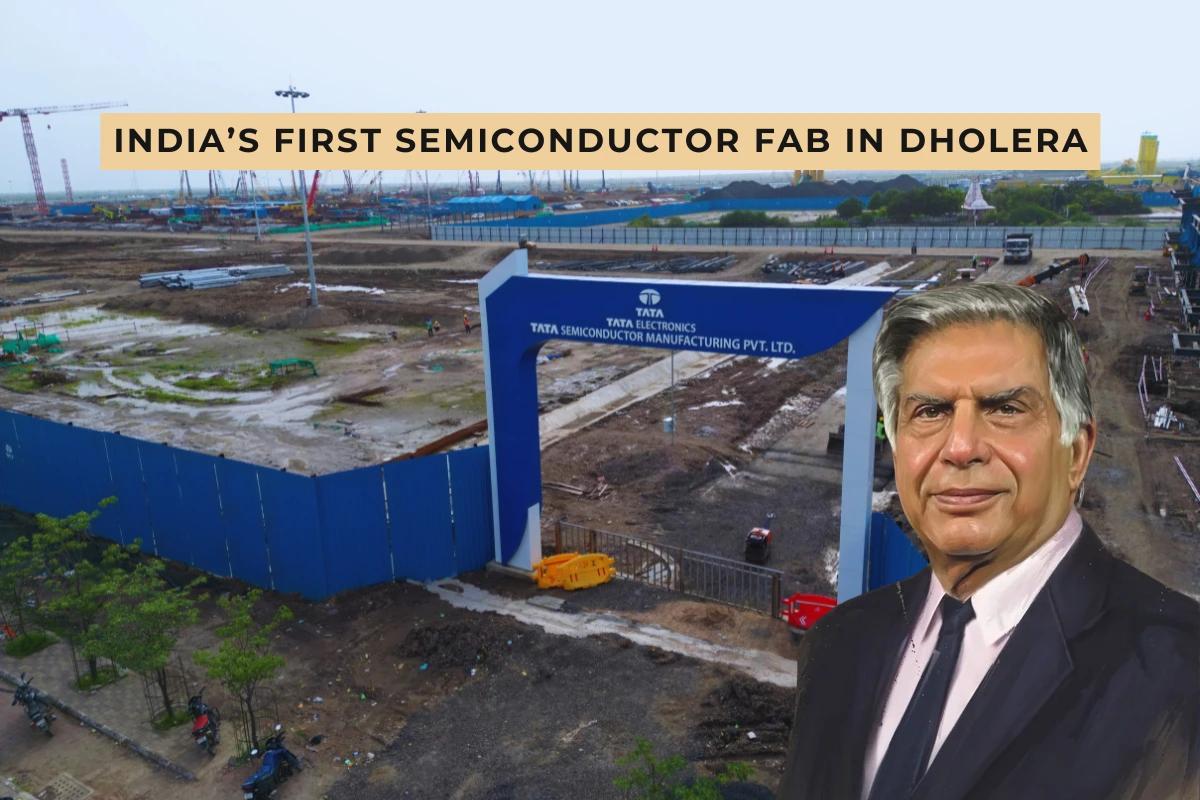
The Tata Semiconductor Dholera project is India's first semiconductor fabrication plant being developed by Tata Electronics in Dholera SIR, Gujarat. The Project was Approved in 2024 and has already moved into the construction phase and achieved several key milestones. This includes government approval, foundation stone laying, fiscal support agreements, and a strategic partnership with ASML. Between 2024 and 2028, the project is progress through construction, equipment installation, testing, and production readiness.
What Is the Tata Semiconductor Dholera Project?
The Tata Semiconductor Dholera project is one of India’s most important chip manufacturing projects. Tata Electronics is building India’s first commercial semiconductor fab in Dholera, Gujarat. A semiconductor fab is a high-tech factory where chips are made. These chips are used in cars, mobiles, computers, AI systems, communication devices, and many other products. This project is being developed with PSMC from Taiwan. PSMC will support Tata with technology and manufacturing knowledge.
Why is Tata Building a semiconductor fab in Dholera?
Tata is building a semiconductor fab in Dholera because India needs strong local chip manufacturing, and Dholera is planned to support large industrial projects.
Semiconductors are used in cars, smartphones, computers, data centres, telecom, defence systems, and AI technology. By building this fab in India, Tata can help support domestic chip demand and also serve global markets.
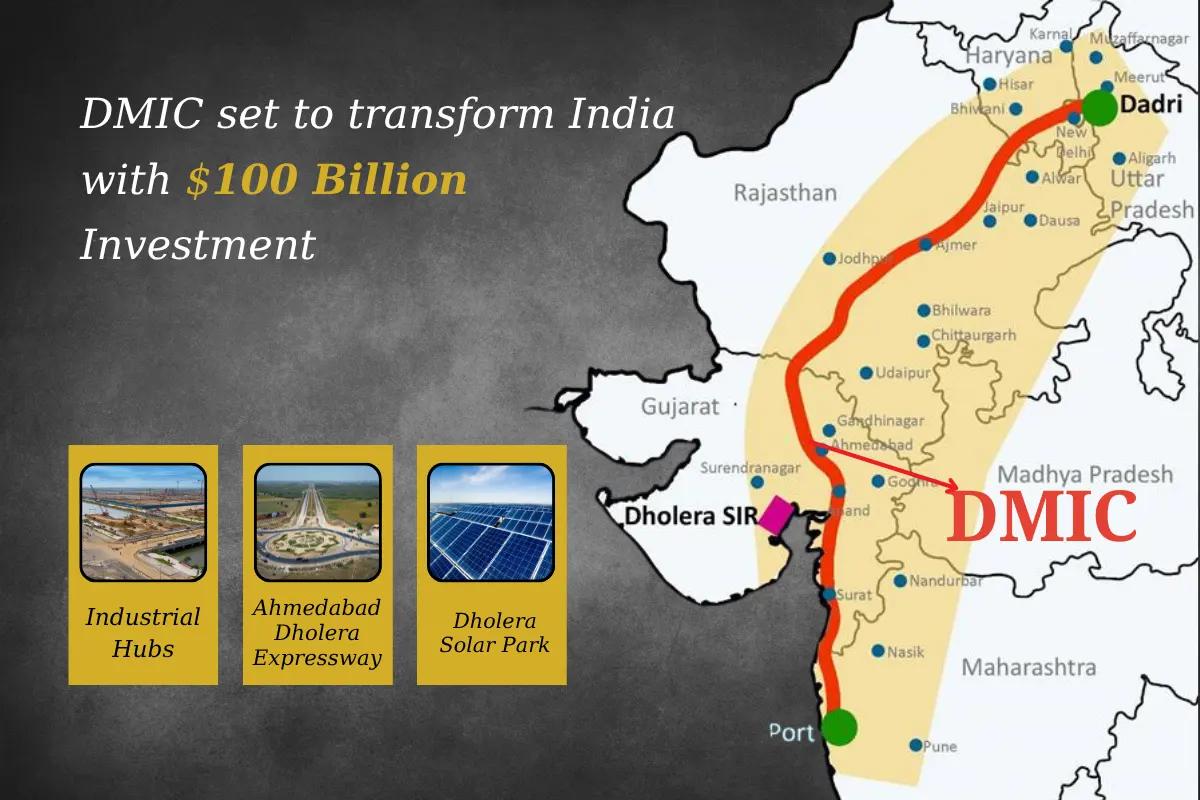
Dholera is also a suitable location because it is a planned greenfield industrial smart city in Gujarat. It is located around 100 km southwest of Ahmedabad and is placed between important industrial hubs like Ahmedabad, Vadodara, Rajkot, and Bhavnagar.
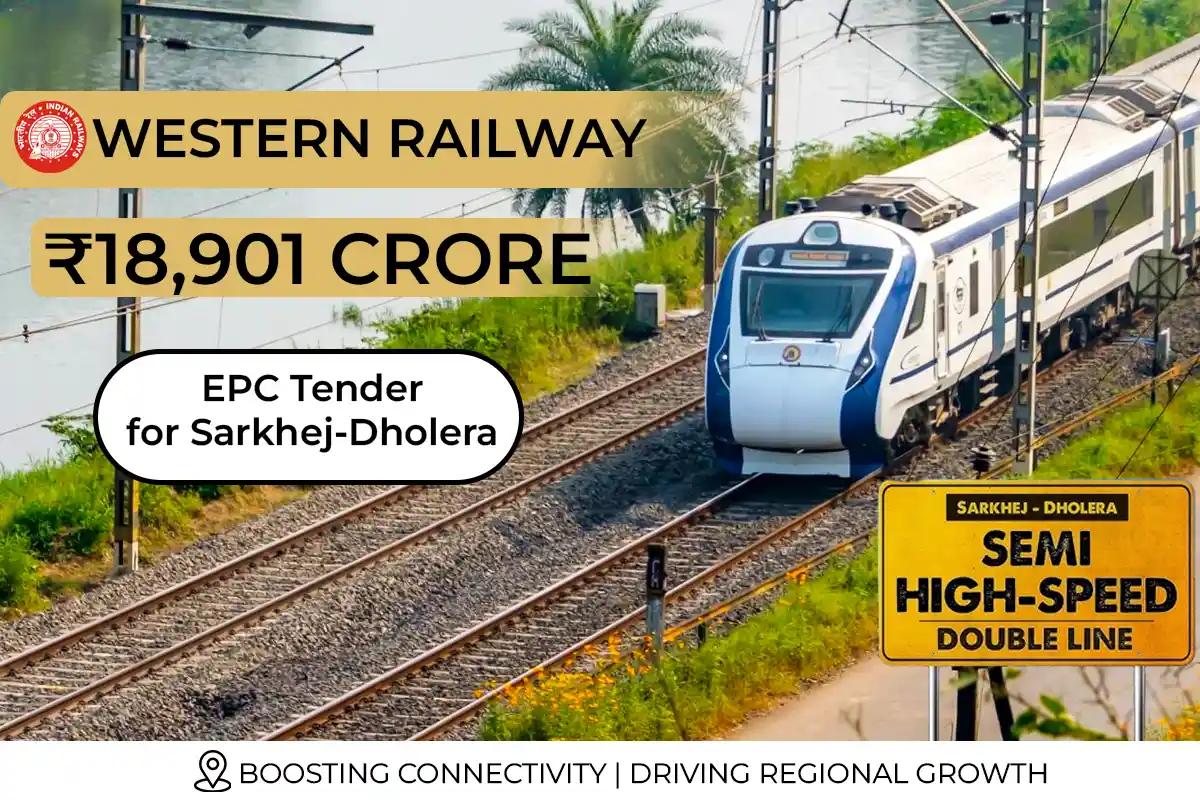
The region is being developed with strong infrastructure and multiple connectivity options, including road, Ahmedabad-Dholera expressway, upcoming Dholera airport, proposed rail, Dholera seaport and freight corridor support. This type of connectivity is important for a semiconductor plant because chip manufacturing needs smooth movement of equipment, skilled workers, raw materials, and finished products.
Tata Semiconductor Dholera Timeline (2024-2028)
TATA Electronics founded in 2020 as a greenfield venture of the Tata group
2024: Government Approval and Foundation Stage
The year 2024 marked the beginning of India's first semiconductor fabrication plant in Dholera.
- Government of India approved the Tata Electronics semiconductor fab project.
- Announced TATA Semiconductor Plant in Dholera at 20th Vibrant Gujarat Summit in January 2024.
- The Union Cabinet formally approved the ₹91,000 crore project on February 29, 2024.
- Manufacturing capacity is planned at up to 50,000 wafers per month.
- Prime Minister Narendra Modi virtually laid the foundation stone for the fabrication plant on March 13, 2024.
- The project moved from the planning stage to on-ground execution.
2025: Fiscal Support Agreement and Project Execution
The project gained additional momentum through financial and policy support.
- Key developments in 2025:
- Fiscal Support Agreement signed between:
- India Semiconductor Mission
- Tata Electronics
- Tata Semiconductor Manufacturing
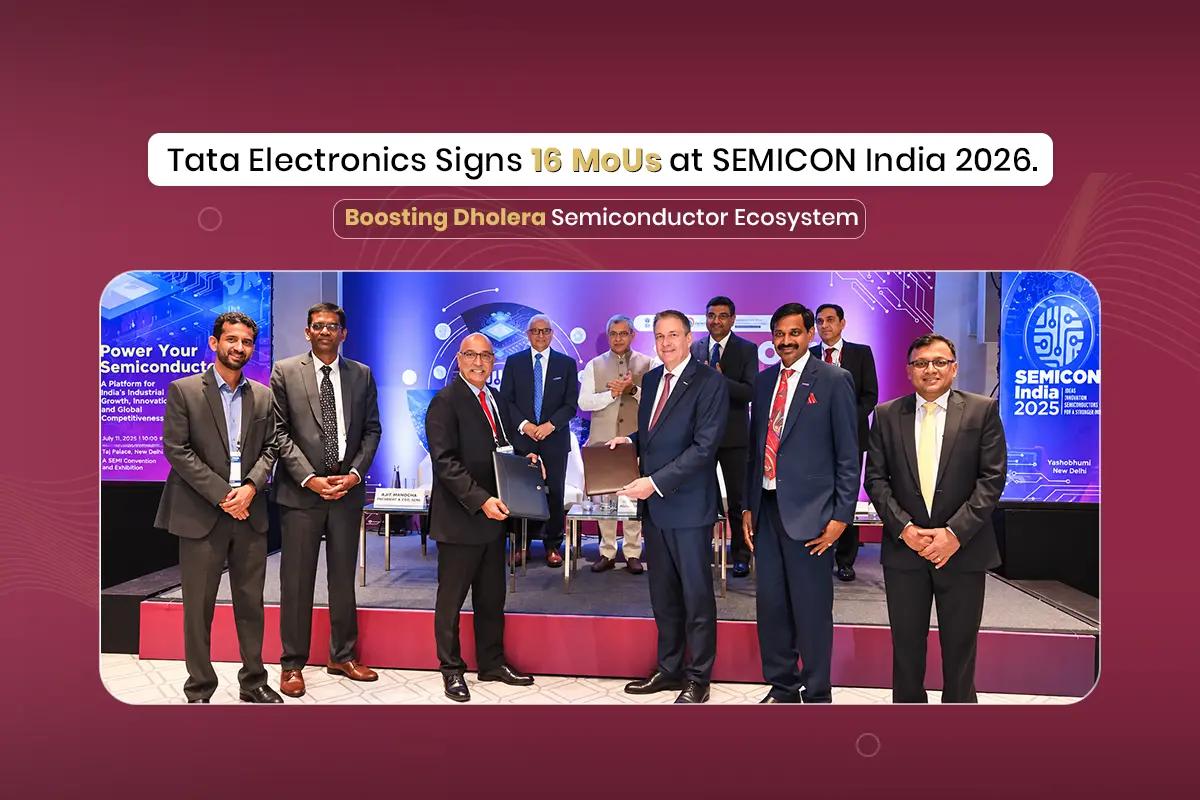
- Signed Memorandum of Understanding with Intel to establish silicon and compute ecosystem in India on December 9, 2025.
- Formed strategic partnership with ROHM on December 16, 2025.
2026: ASML Partnership and Rapid Construction Progress
The year 2026 brought one of the most significant technology partnerships for the project.
- Key developments in 2026:
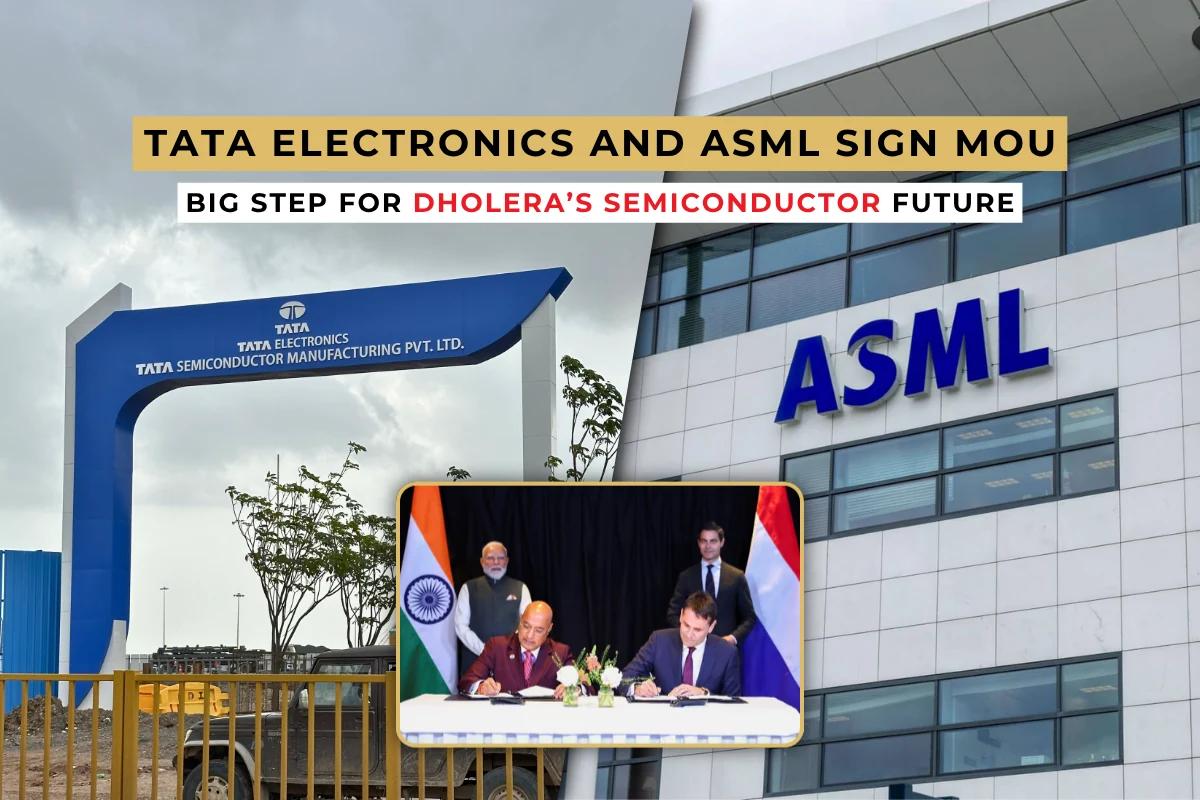
- Tata Electronics announced a strategic f.
- ASML agreed to support the upcoming 300 mm semiconductor fab in Dholera.
- Collaboration includes:
- Advanced lithography tools
- Semiconductor manufacturing solutions
- Technical support and expertise
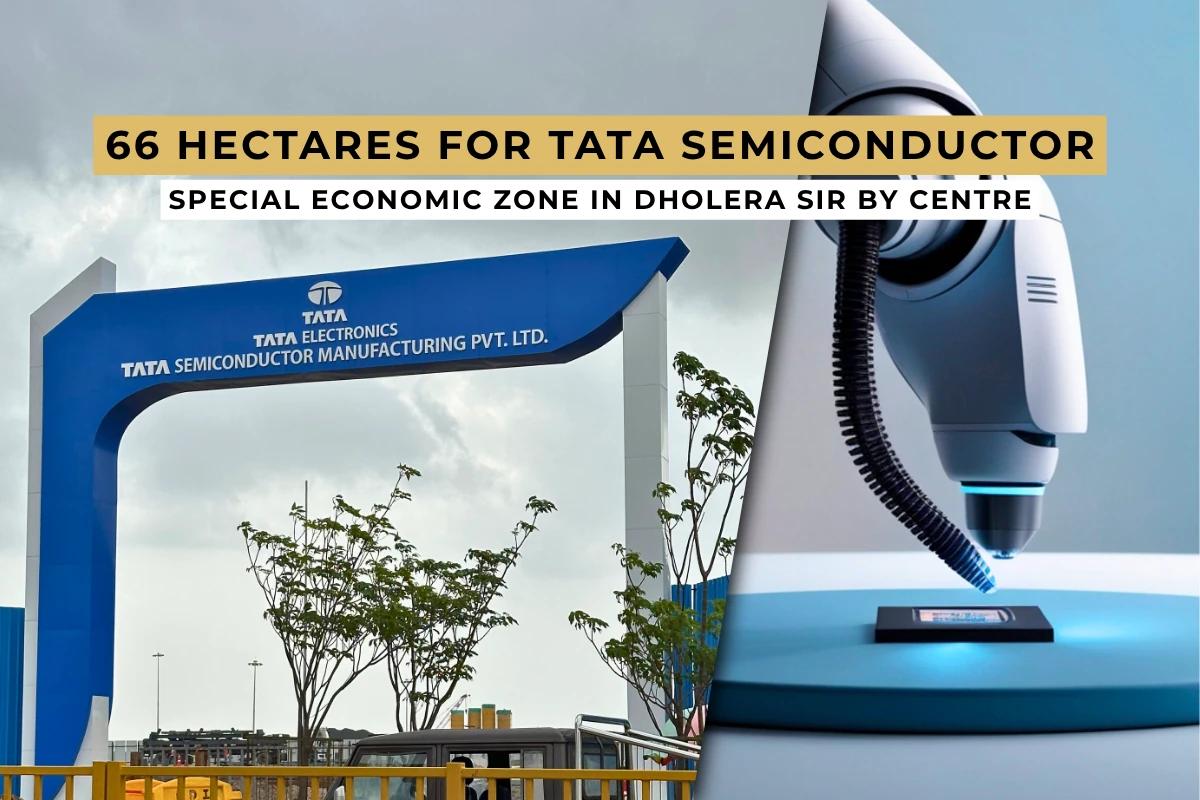
- Special Economic Zone (SEZ) declared for TATA Semiconductor Plant on April 13, 2026.
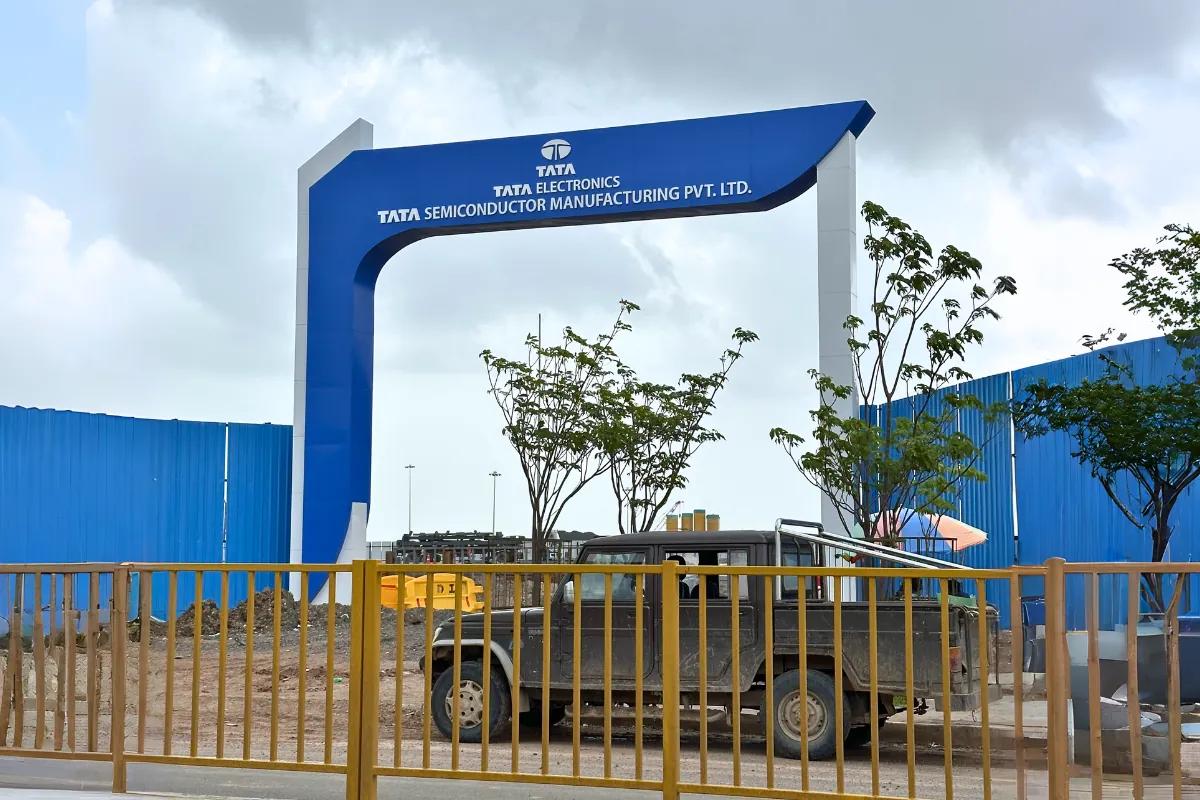
- Tata Electronics confirmed rapid construction progress at the project site.
2027: Equipment Installation and Testing
Once major construction work will be completed the next step will be equipment installation and testing.
Expected developments include:
- Installation of semiconductor manufacturing equipment
- Testing of production systems
- Quality control setup
- Operational readiness checks
This stage will help prepare the facility for commercial production.
2028: Production and Operational Growth
By 2028, the Tata Semiconductor Dholera plant will move toward commercial operations.
Potential outcomes include:
- Start of semiconductor chip production
- Expansion of supporting industries
- Increased employment opportunities
- Growth in industrial activity around Dholera
The project could become one of India's most important semiconductor manufacturing facilities.
What Is the Current Construction Progress of Tata Semiconductor Dholera?
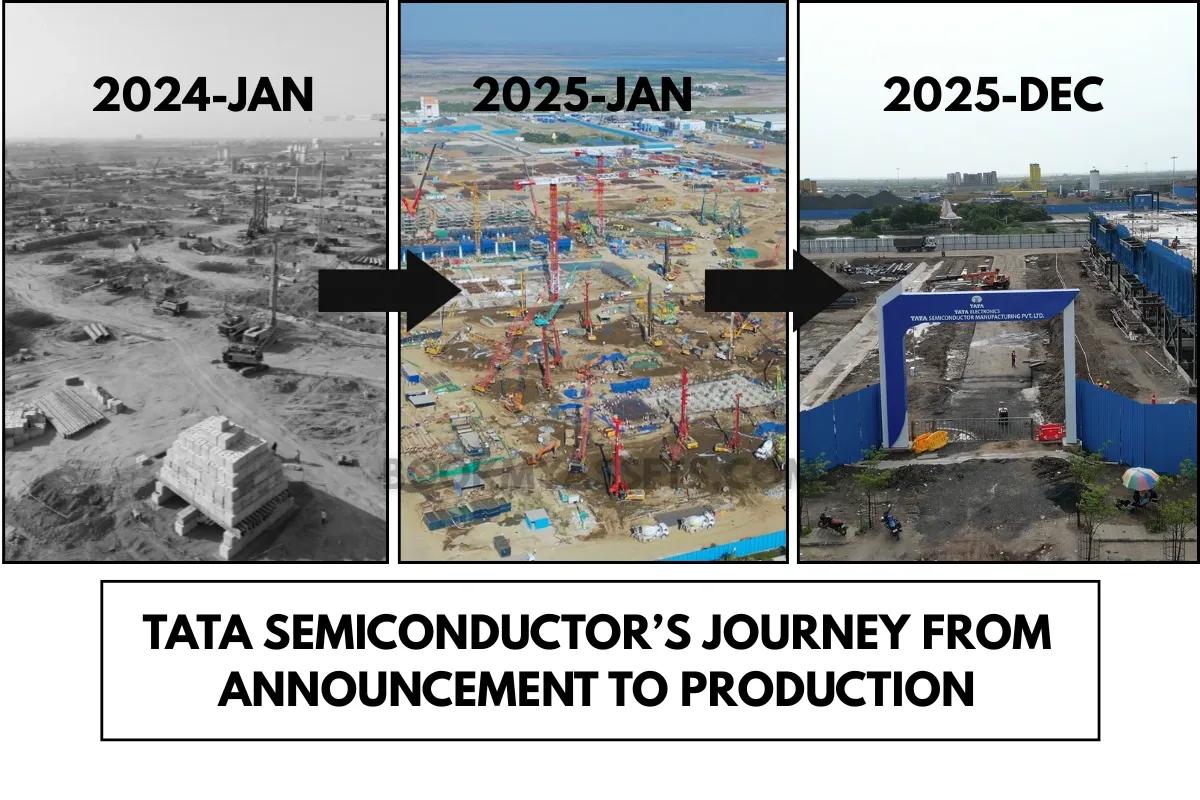
The Construction work at the Tata Semiconductor Dholera is 50% completed, and the Trial runs are expected to begin by late 2026. Further, the infrastructure development is progressing in phases.
The semiconductor fabs require extensive planning, specialized buildings, advanced utilities, and strict quality standards. Because of this, construction and setup take several years before production can begin. The ongoing progress shows that the project is moving from planning into execution.
How Can the Semiconductor Plant Benefit Dholera Smart City?
1. Bring More Industrial Attention to Dholera
The Tata Semiconductor Dholera project is one of the biggest industrial projects in Dholera. When a large company like Tata builds a semiconductor fab in Dholera, it increases the attention of other businesses, suppliers, and investors. In fact many other big companies have already invested in Dholera such as Tsingshan Holding Group, L&T Vyom, Jabil India, Renew etc.
2. Support Job Creation
The semiconductor plant to create 20,000+ skilled direct and indirect jobs. These jobs will of engineering, manufacturing, maintenance, logistics, security, administration, and support services. When job opportunities grow, the residential and commercial demand will also increase.
3. Improve Long-Term Confidence in Dholera
The Tata Semiconductor Fab shows that major development is happening in Dholera. Along with projects like the Dholera Solar Park, Dholera International Airport, Ahmedabad-Dholera Expressway, and high-speed rail connectivity, it is helping attract more industries and investment to the region. For buyers and investors, these developments are positive signs that will support the future growth of Dholera's real estate market.
4. Support Infrastructure-Led Growth
Large industrial projects like the Tata semiconductor plant need better roads, power, water, logistics, worker housing, and service support once operational. Because of this, the semiconductor plant supports Dholera’s infrastructure-led growth over the long term.
Dholera Times: Your Trusted Source for Dholera Updates
For readers interested in following major developments such as the Tata Semiconductor Plant, Dholera International Airport, infrastructure projects, and industrial updates. Dholera Times trusted source for Dholera latest news, project milestones, and insights related to the growth of Dholera Smart City.
Conclusion
The Tata Semiconductor Dholera project is an important step for India's semiconductor industry. After receiving approval in 2024, construction work started and the project is moving forward in different phases. Which includes infrastructure development, equipment installation, testing, and future production.
As the project moves toward 2028, to create jobs, support industrial growth, and bring more company in Dholera. While the full impact will take time to be seen, the semiconductor plant is already one of the most important projects in Dholera SIR.
Frequently Asked Question
Q. When did Tata Semiconductor Dholera work start?
A. The Tata Semiconductor Dholera work was started on 13 March 2024.
Q. What is the investment in the Tata Dholera fab?
A. The investment is over ₹91,000 crore.
Q. What is the capacity of the Dholera semiconductor plant?
A. The planned capacity is up to 50,000 wafers per month.
Q. Who is Tata’s technology partner?
A. Tata Electronics is working with PSMC from Taiwan.
Q. When will Tata Semiconductor Dholera construction complete?
A. The Tata Semiconductor Dholera construction will be completed by 2028.
Share With Your Friends & Family: