What Happens to Property Prices Within 25 km of the Ahmedabad Dholera Expressway?
Key Highlights
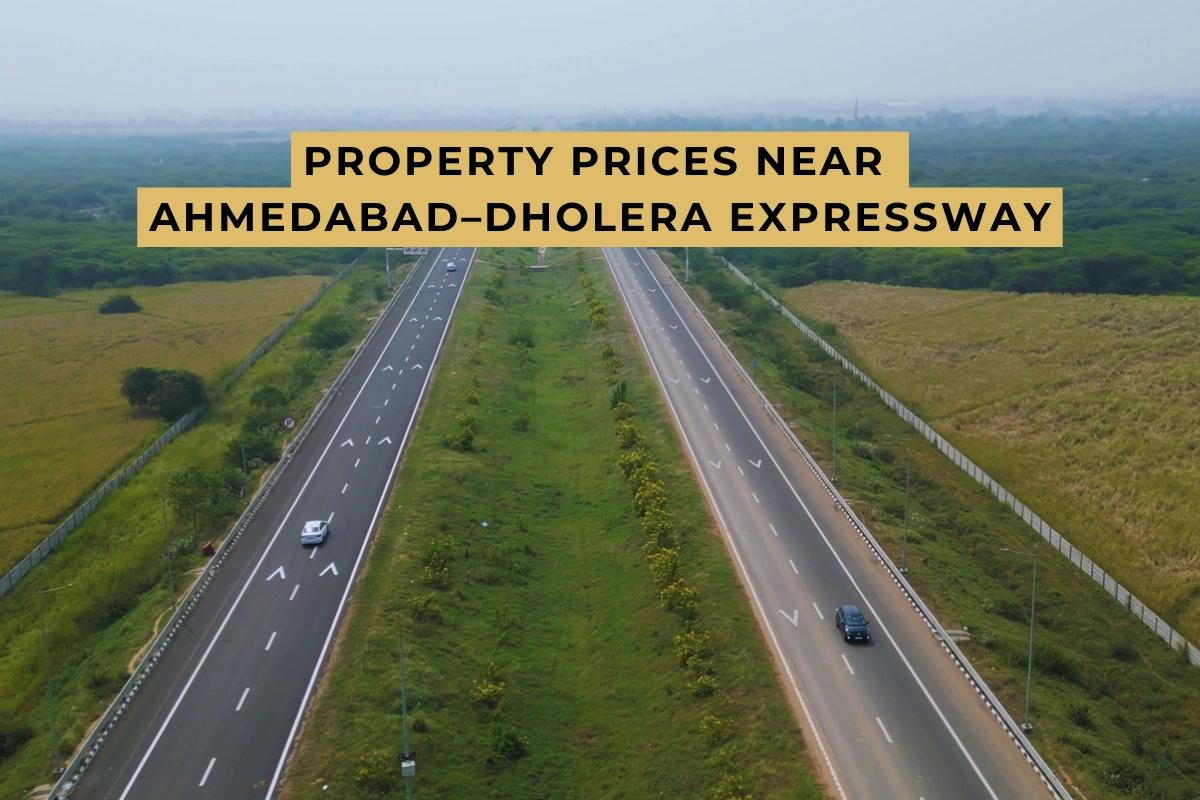
Property prices near major expressways often move early when connectivity improves, industries arrive, and nearby infrastructure becomes easier to access. That is why the Ahmedabad Dholera Expressway is becoming an important factor for buyers looking at plots near Dholera Smart City.
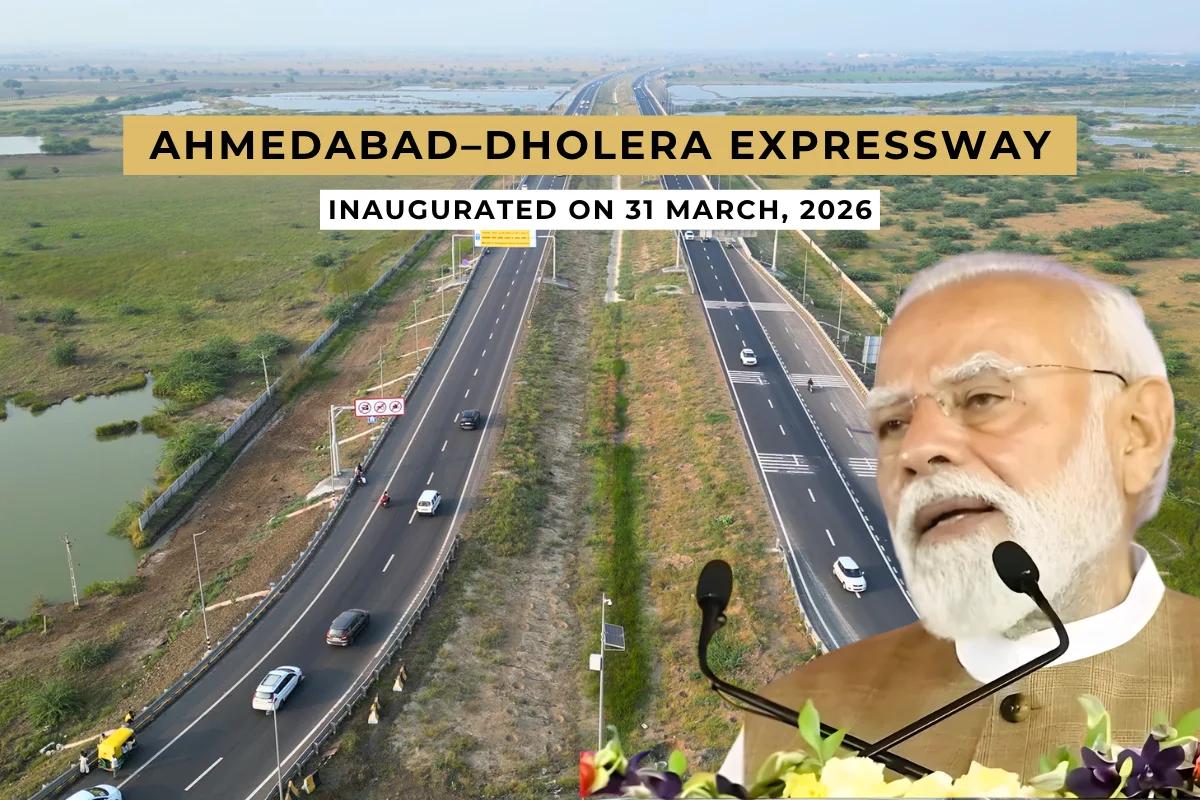
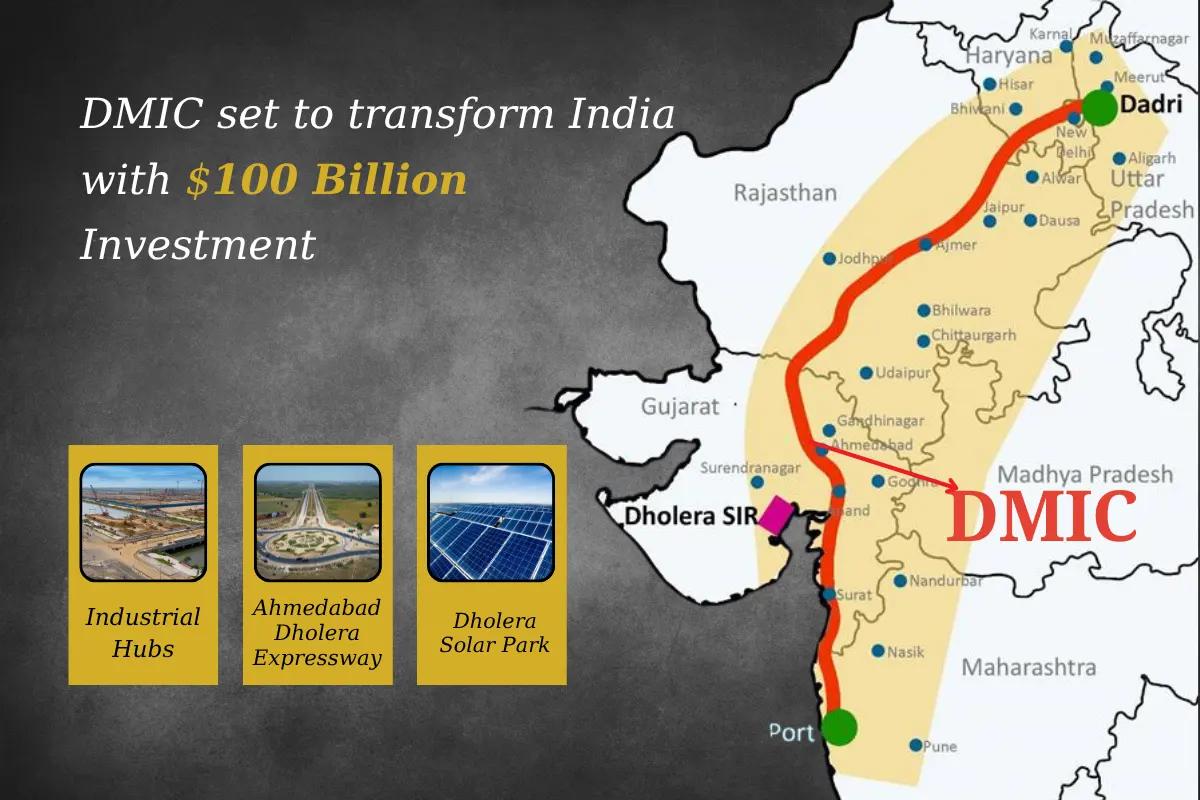
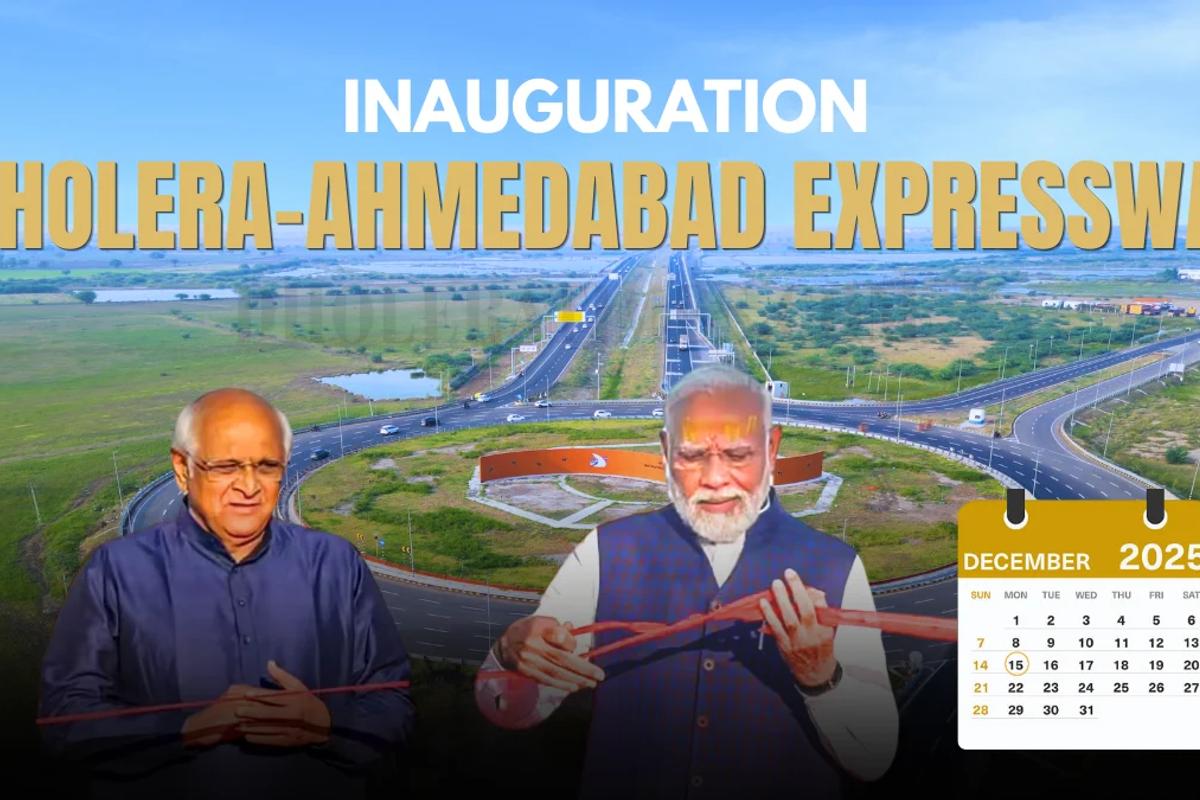
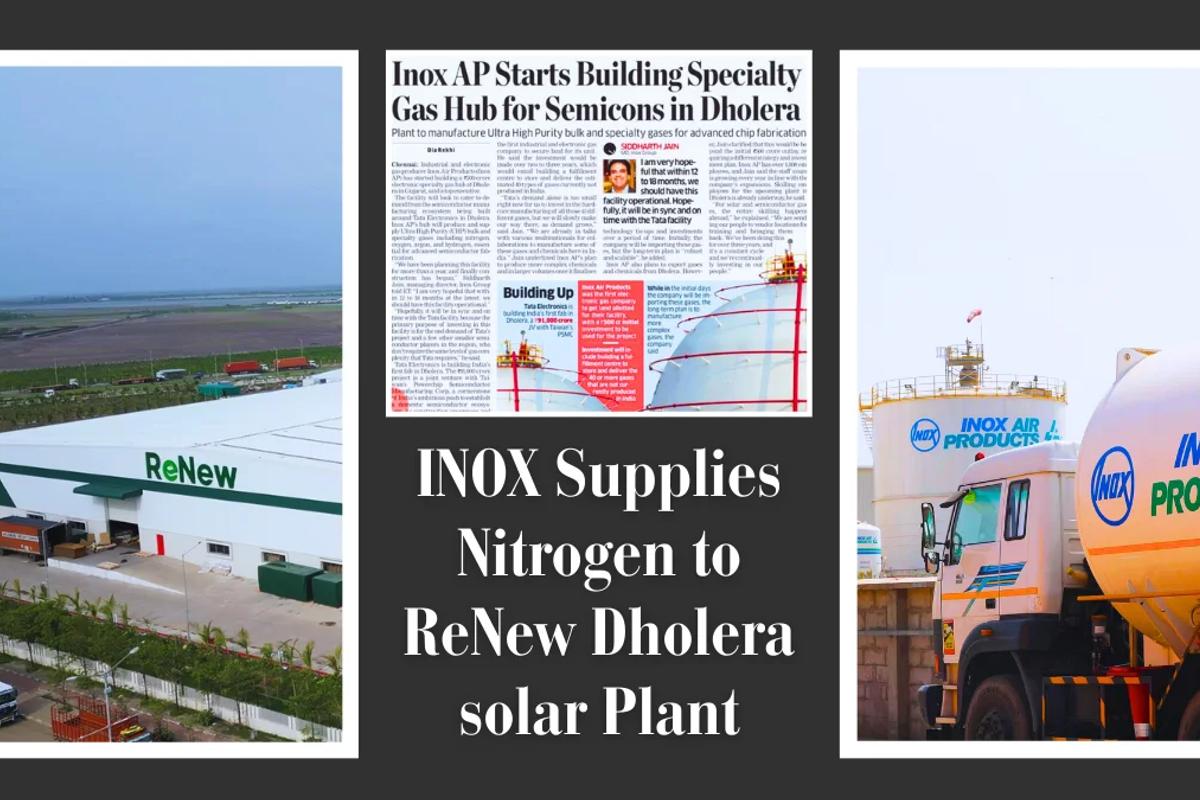
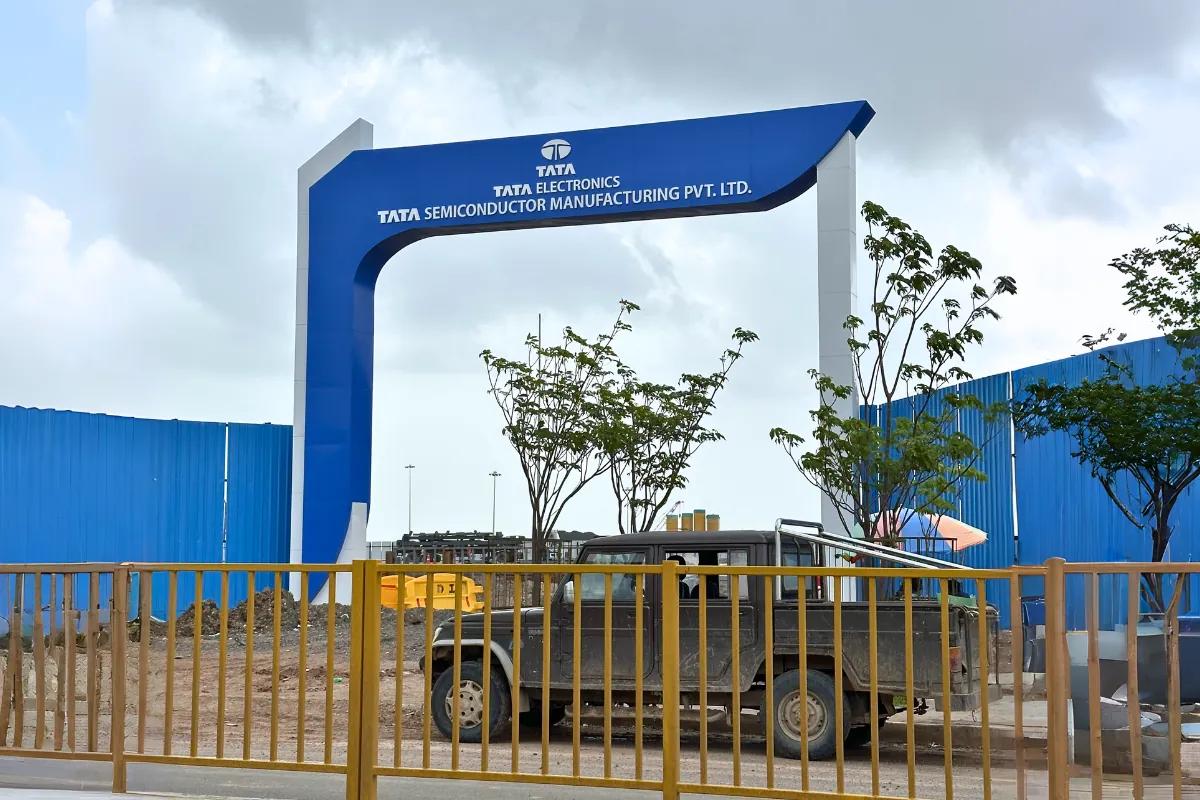
Dholera Smart City is being developed as a major manufacturing and infrastructure hub under the Delhi Mumbai Industrial Corridor. The Ahmedabad Dholera Expressway is expected to connect Ahmedabad to Dholera in a much faster and smoother way, reducing travel time from around 2 hours to nearly 50 minutes. When a region becomes easier to reach, land demand usually starts rising in nearby belts.
To understand what may happen around this corridor, it helps to study what happened near five major expressway corridors across India.
Why Expressways Often Influence Property Prices?
Expressways do much more than improve road travel. They change how a region functions. Once connectivity improves, the area becomes more practical for business activity, logistics movement, housing demand, and long term urban growth.
Here is how an expressway often influences land and property demand:
Better connectivity improves access
An expressway helps people, goods, and services move faster. This improves access to nearby towns, industrial zones, and new development areas.
Travel time reduces sharply
When travel time falls, buyers start seeing distant locations as more practical. This often increases interest in land near the corridor.
Businesses grow along the route
Hotels, fuel stations, warehouses, commercial facilities, and small service businesses often begin appearing near high movement corridors.
Housing demand follows economic activity
Once business activity grows, residential demand usually follows. Workers, managers, vendors, and support staff need housing near employment zones.
That is why expressways often act as growth triggers, especially in regions where industrial and infrastructure development is already planned.
Property Price Trends Near Major Expressways in India
Across India, several expressway regions have shown clear property growth after better connectivity came in. In many cases, land markets moved first, followed by commercial and residential expansion.
Some commonly observed trends include:
- Housing prices rising sharply in expressway linked zones near Dwarka and Gurgaon
- Major land value growth along the Yamuna Expressway corridor
- Strong appreciation in regions connected to the Mumbai Nagpur Expressway
- Rising demand in Navi Mumbai due to airport and connectivity led growth
The pattern is not only about roads. It is about what roads unlock. Once a corridor improves access, capital, industry, services, and housing demand often follow.
5 Indian Expressway Corridors That Show the Pattern
1. Yamuna Expressway Corridor
The Yamuna Expressway is a 165 km corridor connecting Greater Noida and Agra. It significantly improved access from Delhi NCR toward western Uttar Pradesh. The region gained even more attention with the Noida International Airport at Jewar.
As connectivity improved, Greater Noida began attracting stronger real estate interest, especially in plotted developments and residential sectors. The corridor also supported the rise of industrial and logistics activity. The lesson here is simple. Once strong connectivity and large infrastructure come together, land markets usually respond early.
2. Mumbai Pune Expressway
The Mumbai Pune Expressway is one of the strongest examples of how a road corridor can reshape a region. It improved movement between two major economic centers and made daily and business travel far more practical.
Over time, Pune became much more than a secondary city. Easier access helped it absorb residential, industrial, and commercial demand spilling over from Mumbai. The corridor turned into a broader economic belt and helped strengthen development across both cities.
3. Hyderabad Outer Ring Road Corridor
The Hyderabad Outer Ring Road created stronger integration between the airport, technology zones, and newer residential locations. Areas that were earlier peripheral started becoming more central to growth.
Once connectivity improved, the surrounding belt saw office expansion, residential demand, and the growth of newer urban clusters. The corridor helped make the outskirts far more relevant than before.
4. Delhi Meerut Expressway
The Delhi Meerut Expressway sharply reduced travel time between Delhi and Meerut. This improved access changed the appeal of nearby regions for both business activity and real estate demand.
In many such corridors, early movement often comes from land buyers, followed by commercial activity and then stronger end user housing demand. This was another example of how better travel time can improve regional value.
5. Eastern Peripheral Expressway
The Eastern Peripheral Expressway improved freight movement around Delhi and supported the rise of logistics and industrial activity outside the city core.
As connectivity improved, regions along the route began attracting more attention for warehousing, commercial use, and land buying. The result was wider development beyond the older city centers.
What These 5 Corridors Teach Us
These case studies show a few clear patterns that matter for Dholera:
Growth often spreads within 20 to 30 km
Areas close to major expressways often begin seeing stronger demand first because access improves quickly.
Better infrastructure builds confidence
A strong road corridor makes a region feel more practical and more real for buyers, developers, and businesses.
Industry and logistics usually arrive before housing scales up
Economic activity often creates the base for later residential demand.
Residential Demand Follows Jobs and Movement
As more people work around the corridor, the need for plotted and residential options rises.
Why the Ahmedabad Dholera Expressway Matters?
The Ahmedabad Dholera Expressway is not just another road project. It is a major link between Ahmedabad and one of India's most discussed greenfield smart city regions.
This corridor matters because it improves access to:
- Dholera Smart City
- Industrial and manufacturing zones
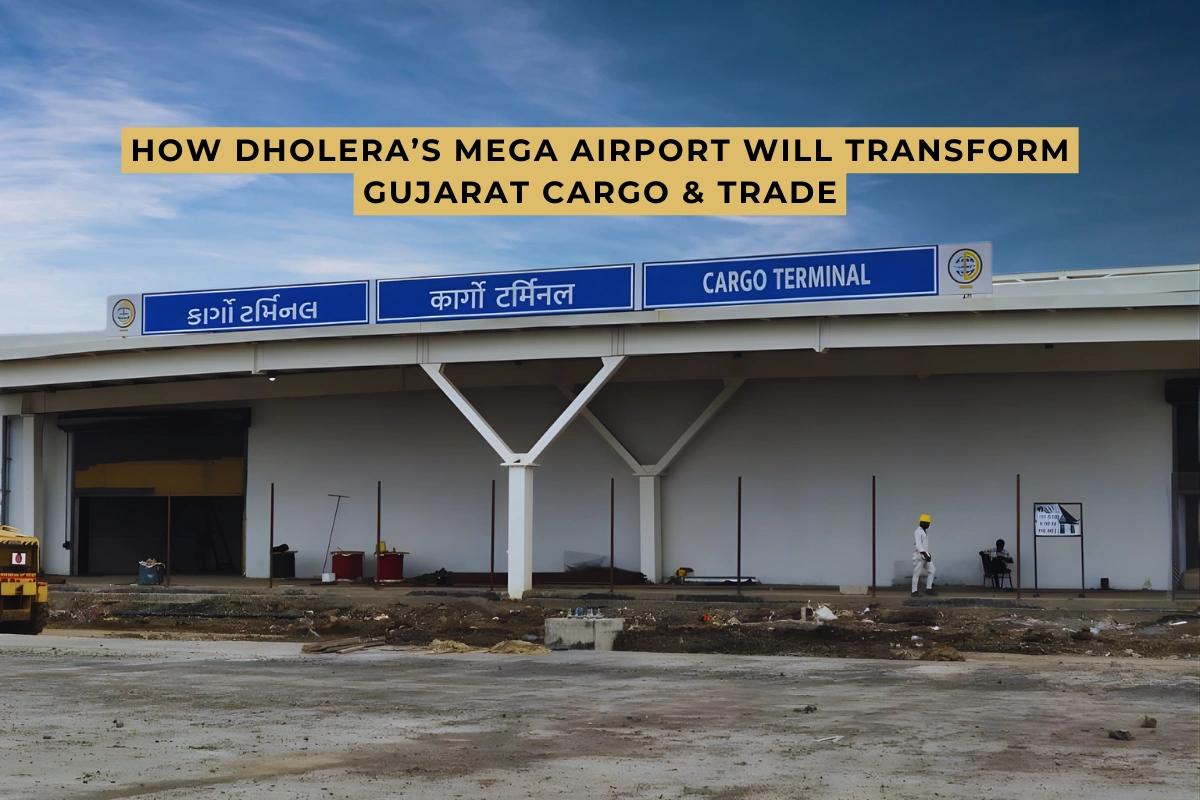
- The upcoming Dholera International Airport region
- Nearby residential and plotted developments
- Wider infrastructure under the Delhi Mumbai Industrial Corridor
As access improves, nearby land markets are likely to become more active, especially in areas with better legal clarity and usable road connectivity.
What This Could Mean for Property Within 25 km of the Expressway
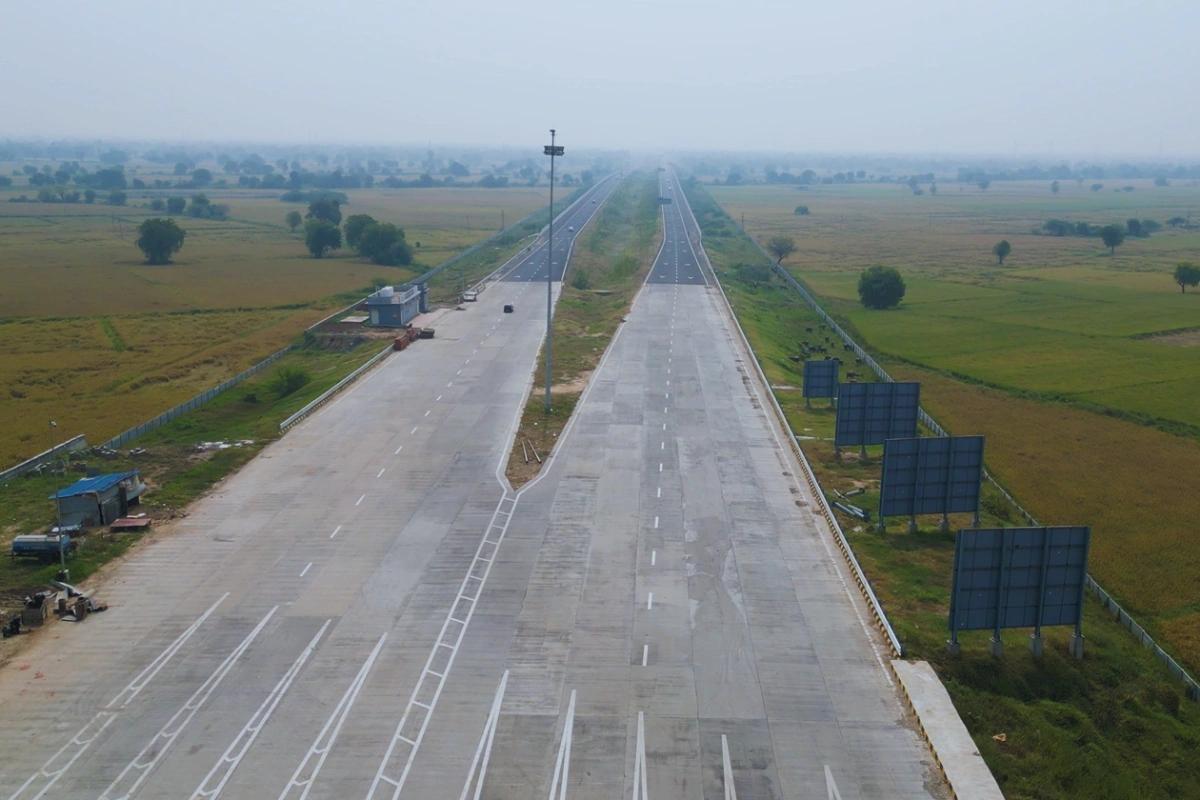
Property within 25 km of the Ahmedabad Dholera Expressway may benefit in several ways over time.
Regional mobility may improve
Smaller roads and approach links around the corridor often improve alongside the main road, helping nearby locations become more usable.
Industrial support demand may increase
Manufacturing and logistics ecosystems need land, worker housing, service activity, and local movement support.
Residential interest may rise gradually
As nearby infrastructure and employment activity improve, plotted residential demand often starts moving upward.
Better access may support buyer confidence
Outstation buyers usually feel more confident in locations that are easier to reach and verify.
Residential Plot Opportunity Near the Ahmedabad Dholera Expressway
For buyers looking at residential plots near Dholera, location quality matters more than marketing. A good plotted project should offer legal clarity, usable access, and proximity to future growth drivers.
One such option is WestWyn Estates by Dholera Times. Located near State Highway 117 and close to Bhimnath Railway Station, the project offers a location connected to important future growth links around Dholera.
Why WestWyn Estates stands out
- close to Bhimnath Railway Station
- access to major infrastructure routes including the expressway corridor
- positioned within a government backed smart city region
- plots with NA NOC and clear title positioning
- suitable for buyers looking for long term land holding in a growing belt
Conclusion
The story from major Indian expressway corridors is clear. When strong connectivity enters a region already backed by infrastructure and industrial planning, land demand often rises first in the surrounding belts. In many cases, the first 20 to 30 km becomes the most closely watched zone.
That is why the Ahmedabad Dholera Expressway deserves serious attention. It improves access, supports industrial movement, and strengthens the wider Dholera growth story. For buyers looking atresidential plots near Dholera Smart City, the key is not just buying early. The key is choosing a legally clear and well located plot in the right corridor.
Looking for verified residential plots near the Ahmedabad Dholera Expressway? Contact Dholera Times for project details, location guidance, and document support.
Frequently Asked Questions
Q. How are property prices near Ahmedabad-Dholera Expressway changing?
A. Property prices near Ahmedabad-Dholera Expressway are increasing as connectivity improves and demand grows in areas linked to Dholera Smart City.
Q. Why do property prices increase near expressways like Ahmedabad-Dholera?
A. Prices increase because better road connectivity improves access, supports industrial growth, and attracts more buyers and investors.
Q. Can the Ahmedabad-Dholera Expressway impact Dholera investment value?
A. Yes. The expressway can improve long-term Dholera investment value by enhancing accessibility and supporting infrastructure development.
Q. Is it a good time to invest in plots near the Dholera Expressway?
A. Many buyers consider early investment beneficial, as prices may increase further with ongoing infrastructure and industrial growth.
Q. Which residential plots in Dholera have good expressway connectivity?
A. Buyers can explore WestWyn Estates, offering premium residential plots in Polarpur, Dholera, with direct entry from State Highway-117 (150 foot road) and strong connectivity linked to the expressway.
Share With Your Friends & Family: