Town Planning Zones in Dholera Smart City: Phase-Wise Development Explained (2026)

Key Highlights
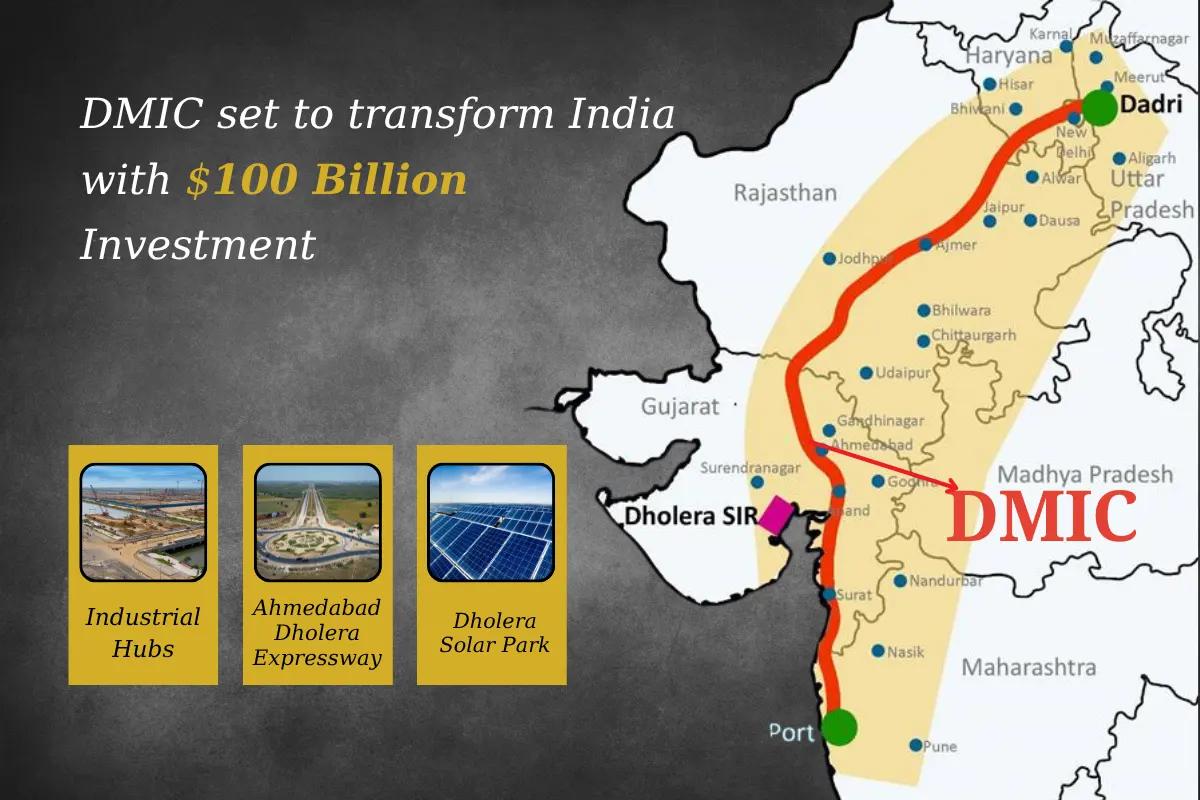
Dholera Smart City is built on a planned zoning framework called Town Planning (TP) Zones. These zones divide the city into specific areas for industrial, residential, commercial, and public use. For anyone looking to invest in Dholera, understanding TP zones helps you choose the right location, at the right time, for the right purpose.
What Are Town Planning Zones in Dholera SIR?
Town Planning Zones in Dholera Smart City are government-defined land-use divisions under the Dholera SIR Development Authority (DSIRDA). Each zone has a fixed purpose industrial growth, residential housing, commercial spaces, or public infrastructure.
This TP scheme ensures Dholera does not develop like an unplanned city. Every road, utility line, and industrial plot is placed according to a master plan. For investors, this means predictable development, better infrastructure, and long-term value growth.
Dholera TP Zones Explained: TP 1 to TP 6
Dholera's development follows a phase-wise model across six TP zones. Here is what each zone covers:
TP 1 - Industrial and Knowledge Hub
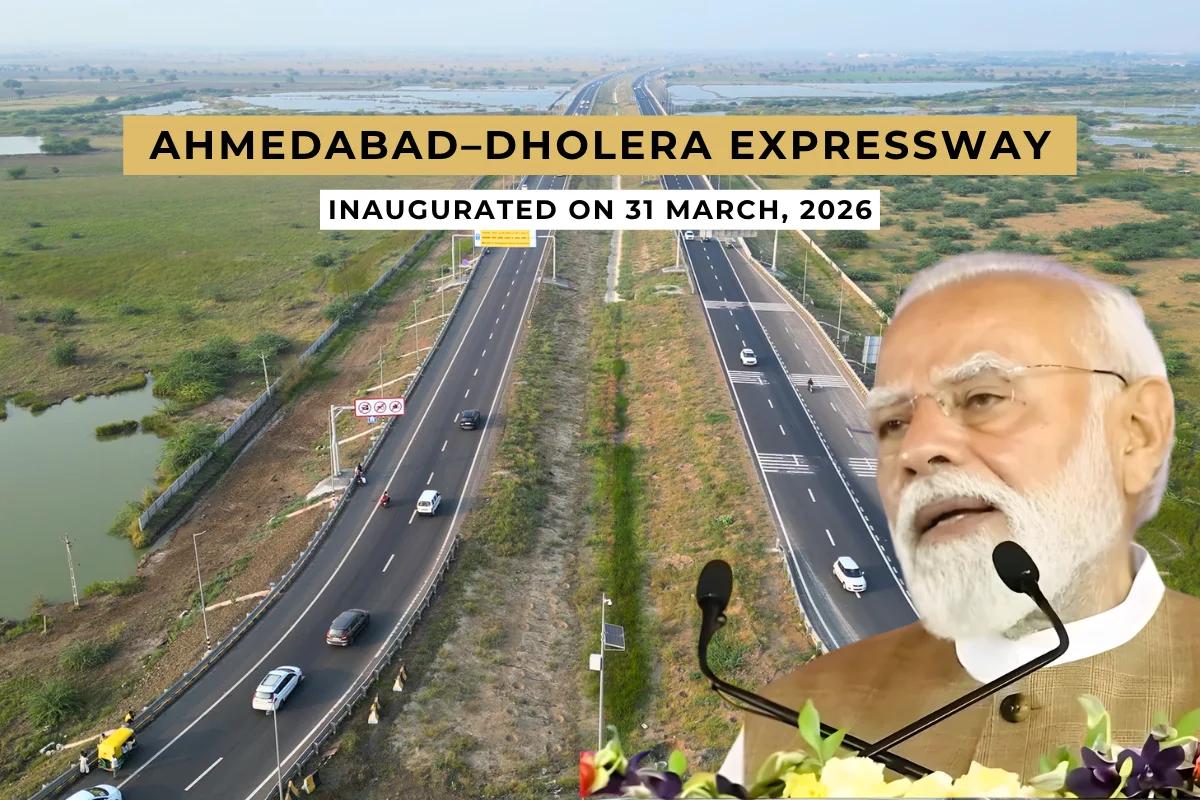
TP1 is planned for IT parks, knowledge-based industries, and light manufacturing. Infrastructure work is progressing steadily, and the zone will benefit directly from the Ahmedabad-Dholera Expressway, which was inaugurated in March 2026.
TP 2 - Activation Area (Most Active Zone in 2026)
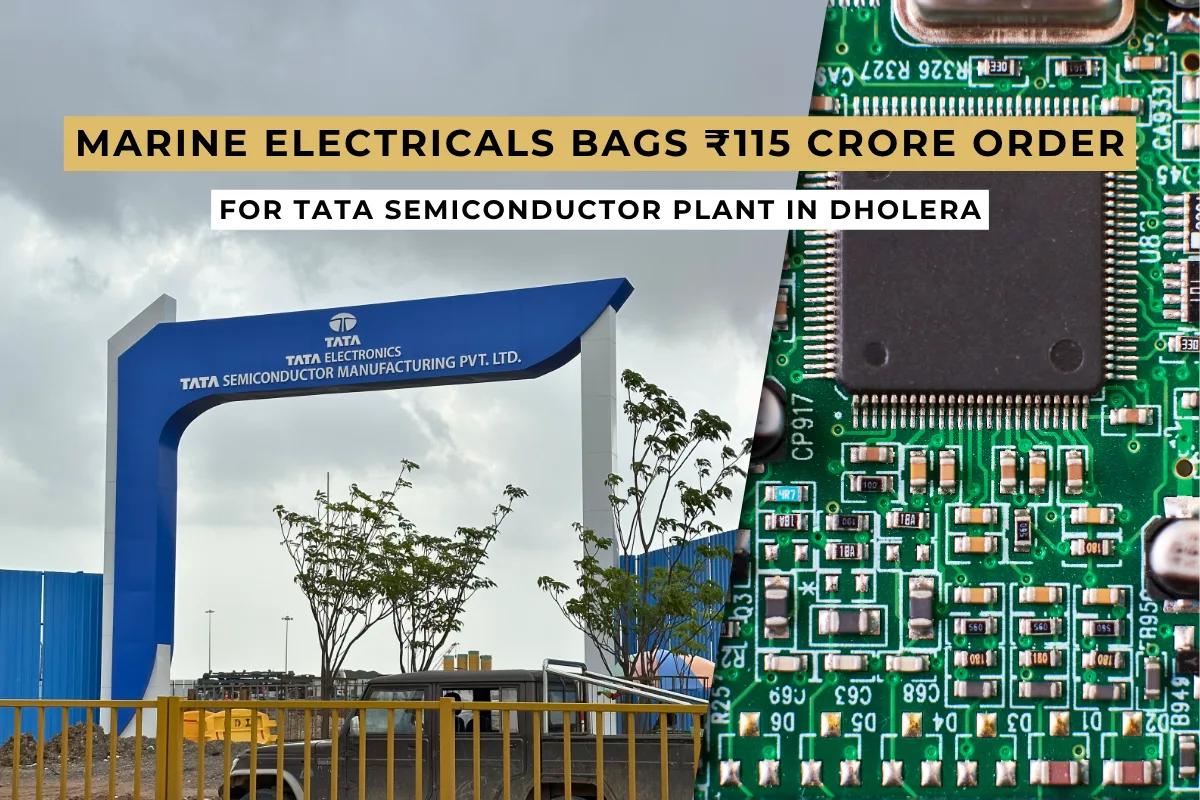
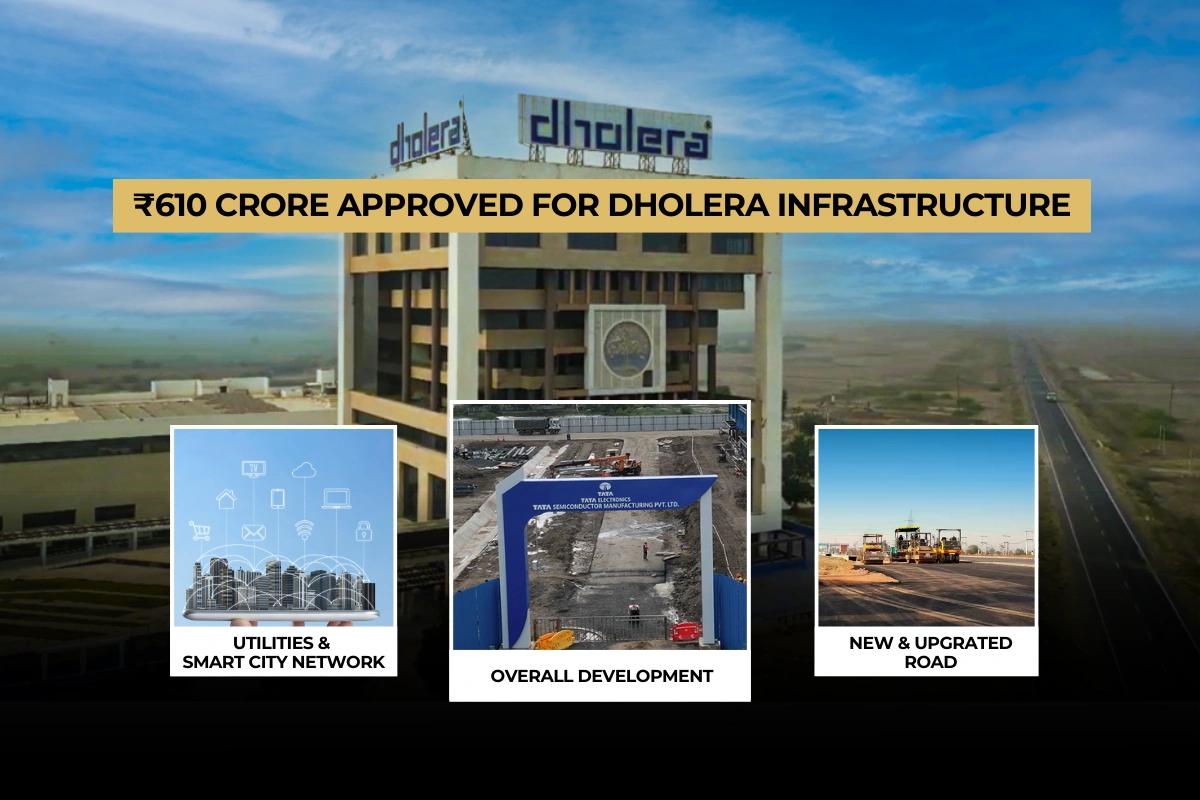
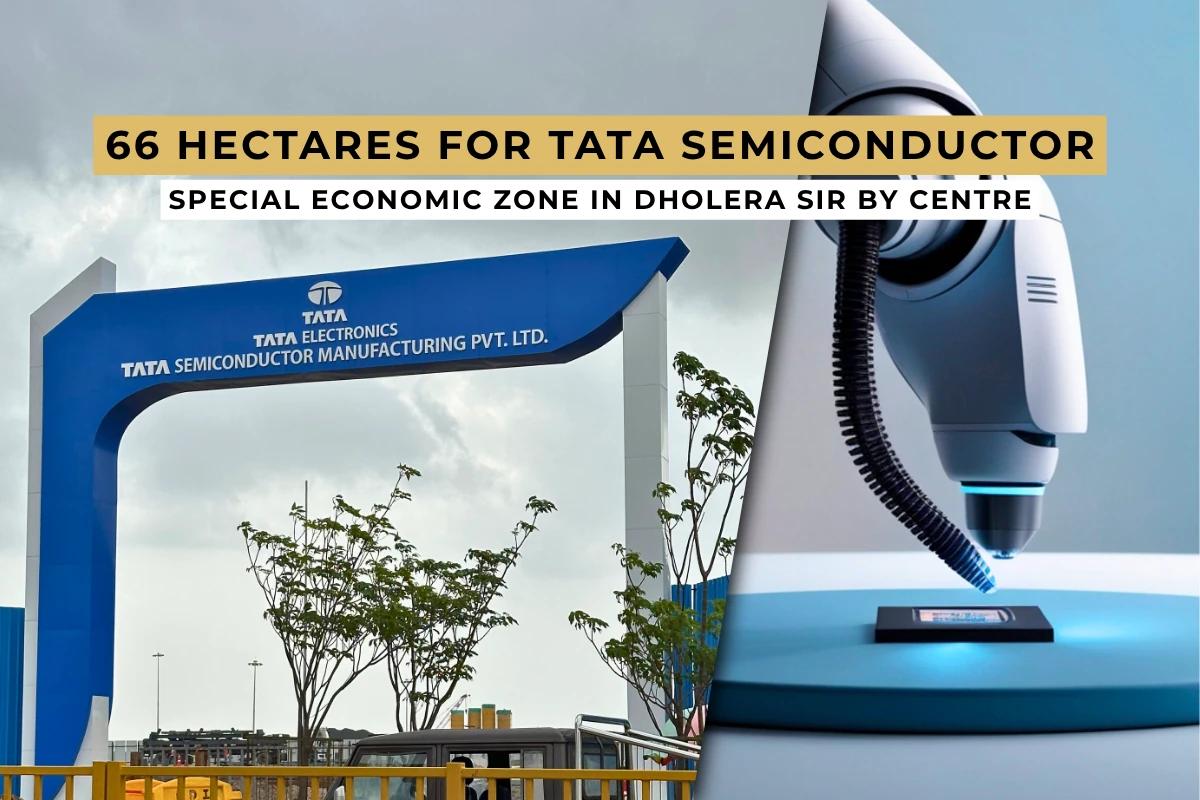
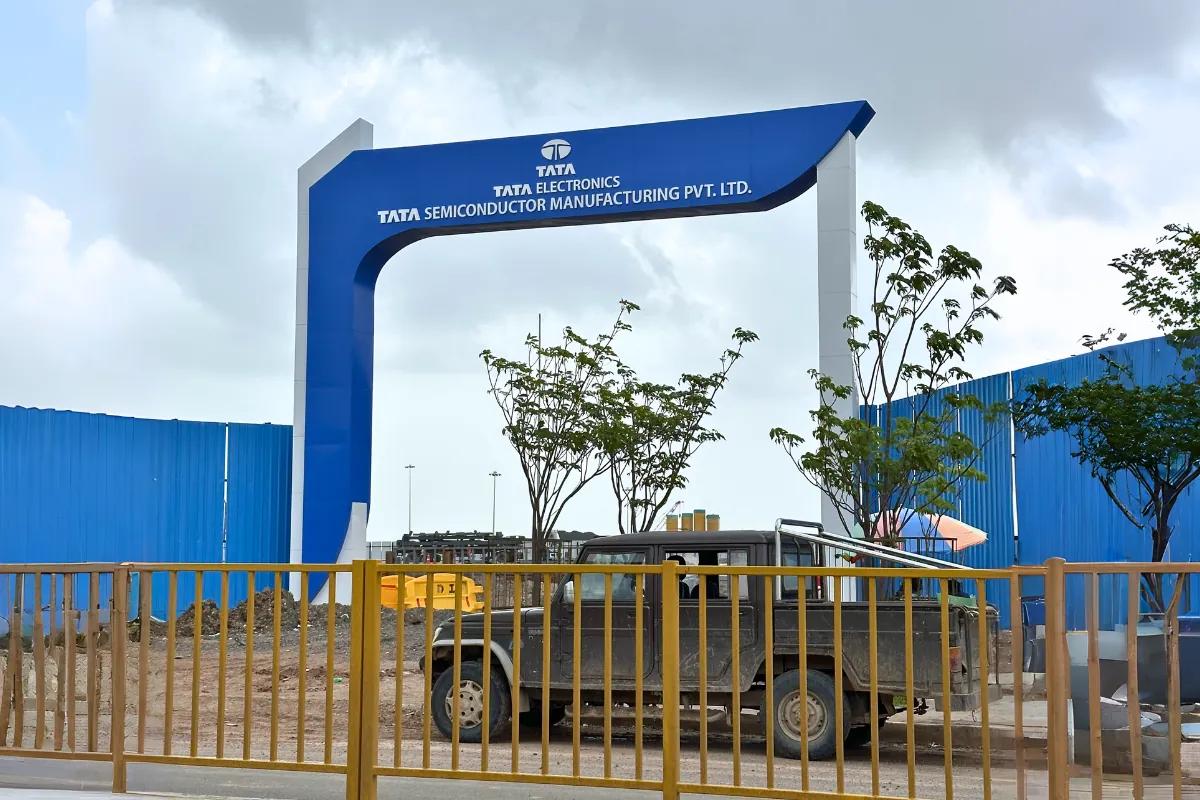
TP2 is Dholera's most developed zone today. It includes the Activation Area, the first fully operational part of the city with ready roads, underground utilities, and plug-and-play industrial facilities. The Tata Semiconductor Fab is located here, making TP 2 the anchor of Dholera's industrial growth. The Dholera Riverfront and ReNew Solar Park are also part of this zone.
TP 3 - Residential Expansion Zone
TP 3 is focused on housing for the future workforce of Dholera. As industrial zones fill up, demand for homes, shops, and daily facilities in TP3 will grow naturally.
TP 4 - Mixed-Use & Public Infrastructure
TP4 supports a mix of residential and commercial development. It is planned for schools, hospitals, and community facilities, making it ideal for long-term residential investment.
TP 5 - Hebatpur Industrial Zone
Around 90% of TP5 is allocated to large-scale industrial use. Entry prices here are currently lower than TP 2, making it a zone to watch for early-stage industrial or commercial investors.
TP 6 - Long-Term Growth Corridor
TP 6 is Dholera's future residential expansion zone. The Dholera Solar Park falls near this zone, giving it strong long-term appreciation potential.
Which TP Zone Is Growing Fastest Right Now?
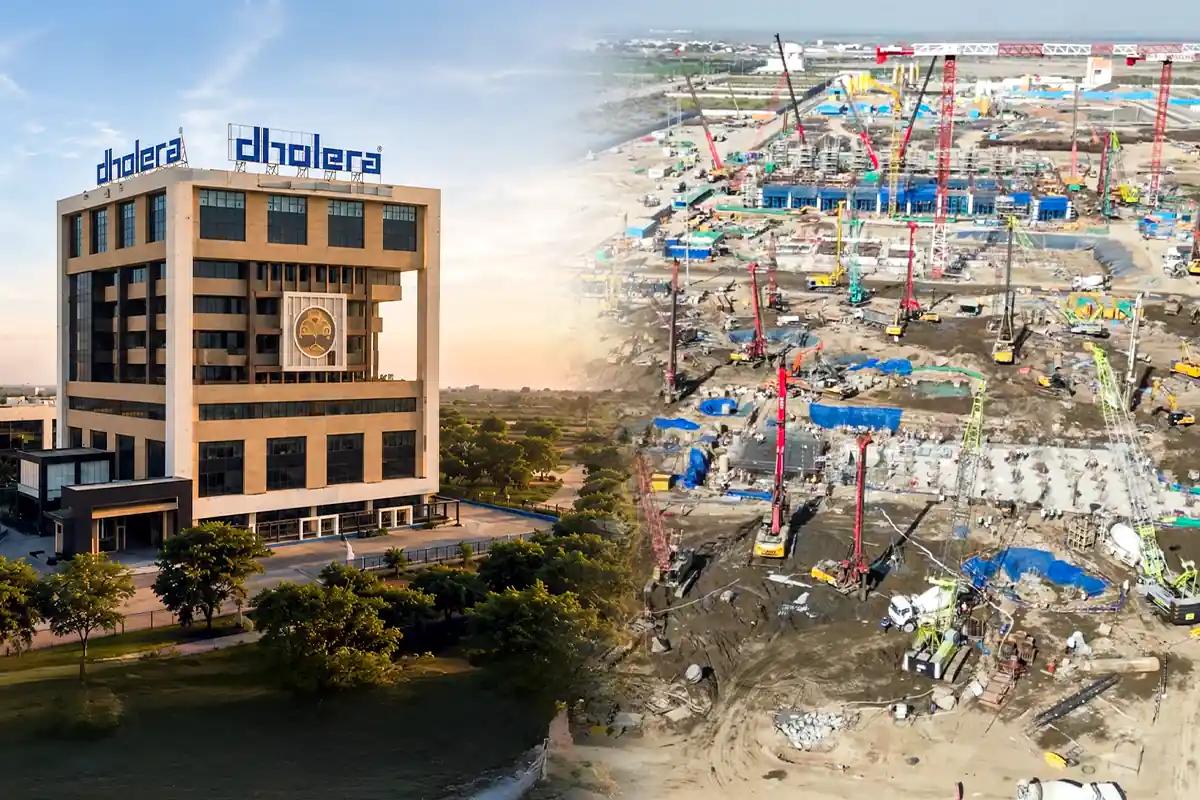
TP 2 is the fastest-growing zone in Dholera in 2026. The Tata Semiconductor Fab under construction, and active investor interest. For buyers who want immediate development and proven infrastructure, TP 2 and surrounding areas are the clearest choice.
TP 1 and TP 3 are developing at a moderate pace. TP 5 and TP 6 remain early-stage but offer lower entry prices for investors with a long investment horizon.
How TP Zones Should Guide Your Plot Investment in Dholera?
Choosing the right TP zone depends on your goal:
- Quick ROI or resale: Look at areas near TP 3, like Polarpur & Pipriya where infrastructure is already in place.
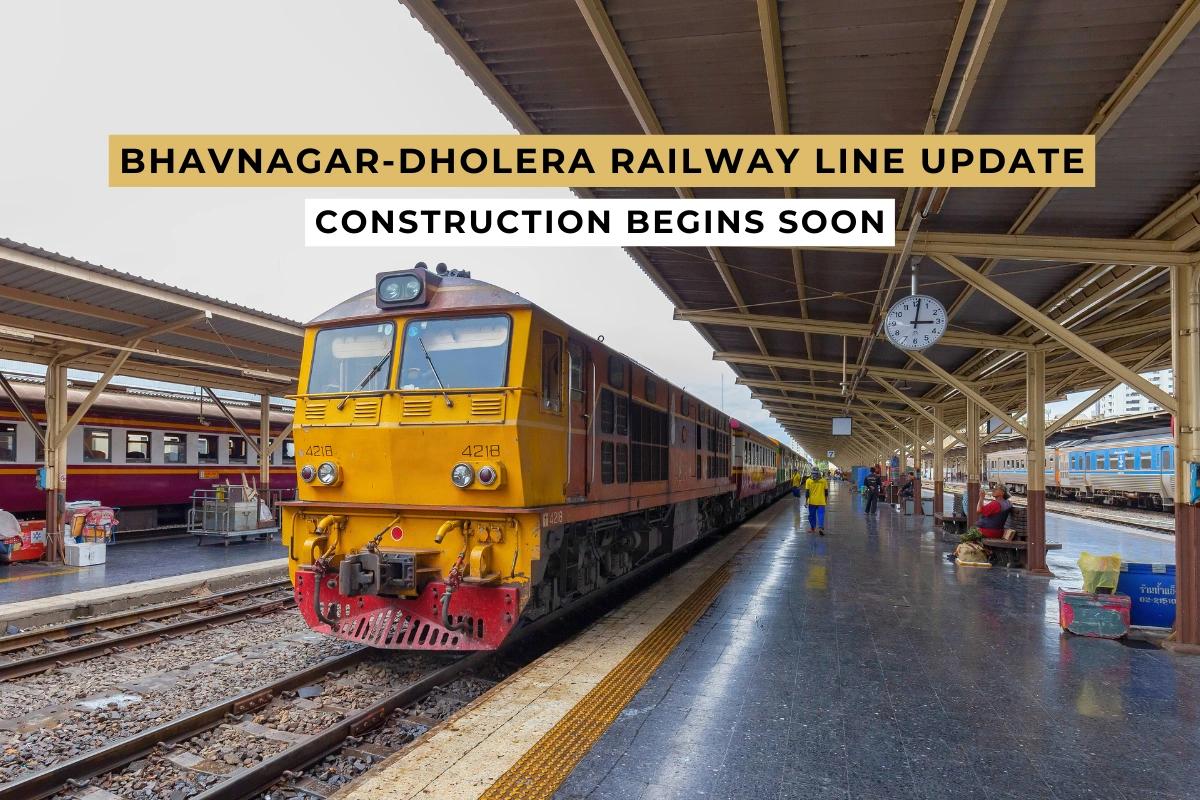
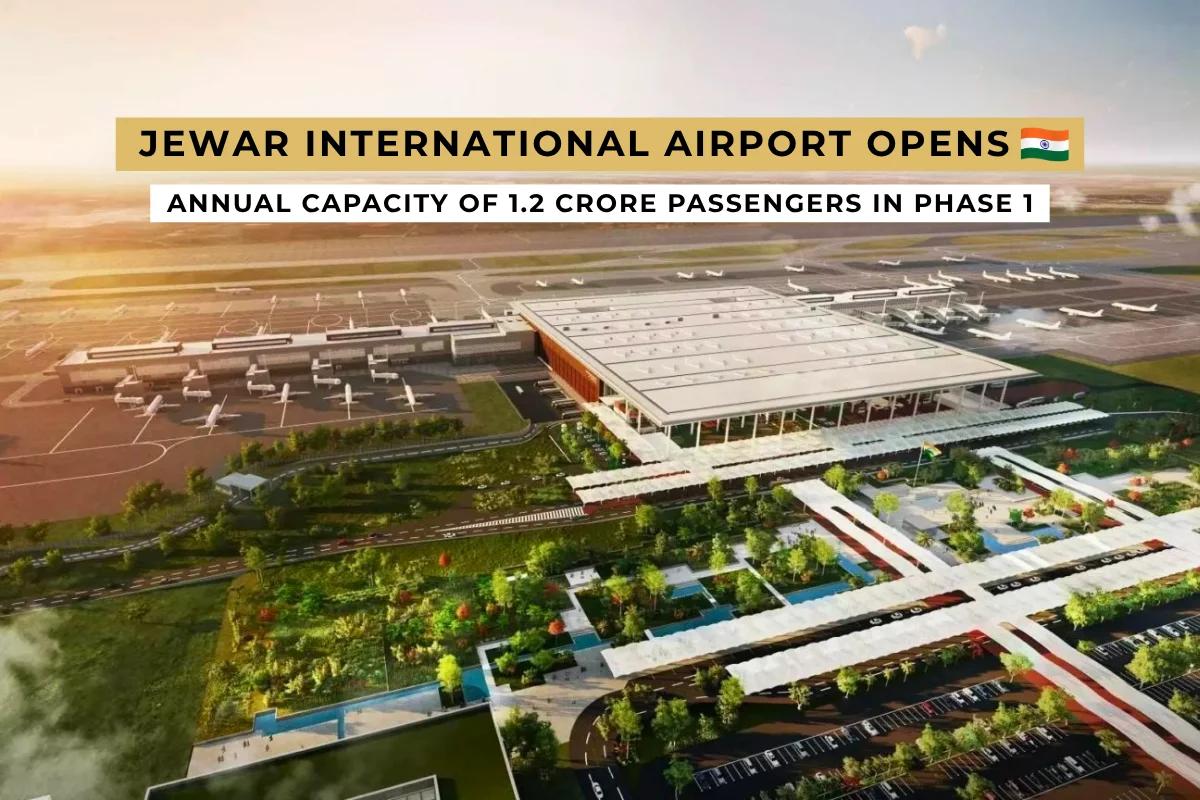
- Long-term hold: TP 5 and TP 6 offer lower prices today with significant upside as the airport and freight corridor come online.
- Residential use: TP 3 and TP 4 are planned specifically for housing and lifestyle infrastructure.
Understanding Dholera TP zones ensures you are not just buying land you are buying into a planned growth timeline.
Stay Ahead of Dholera's Development with Dholera Times
Dholera's development is happening in phases, and staying updated can help you understand the region better. Dholera Times brings you:
- Latest Dholera Smart City news
- Dholera SIR development updates
- TP zone and infrastructure updates
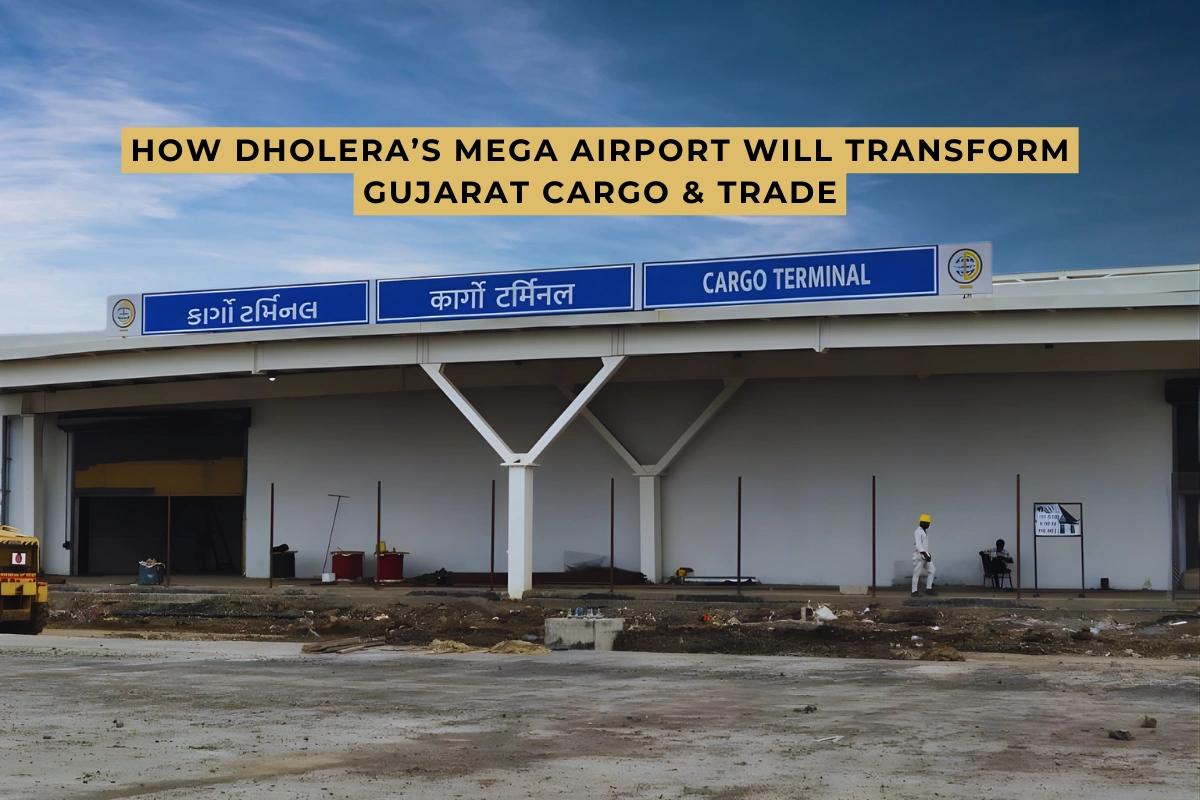
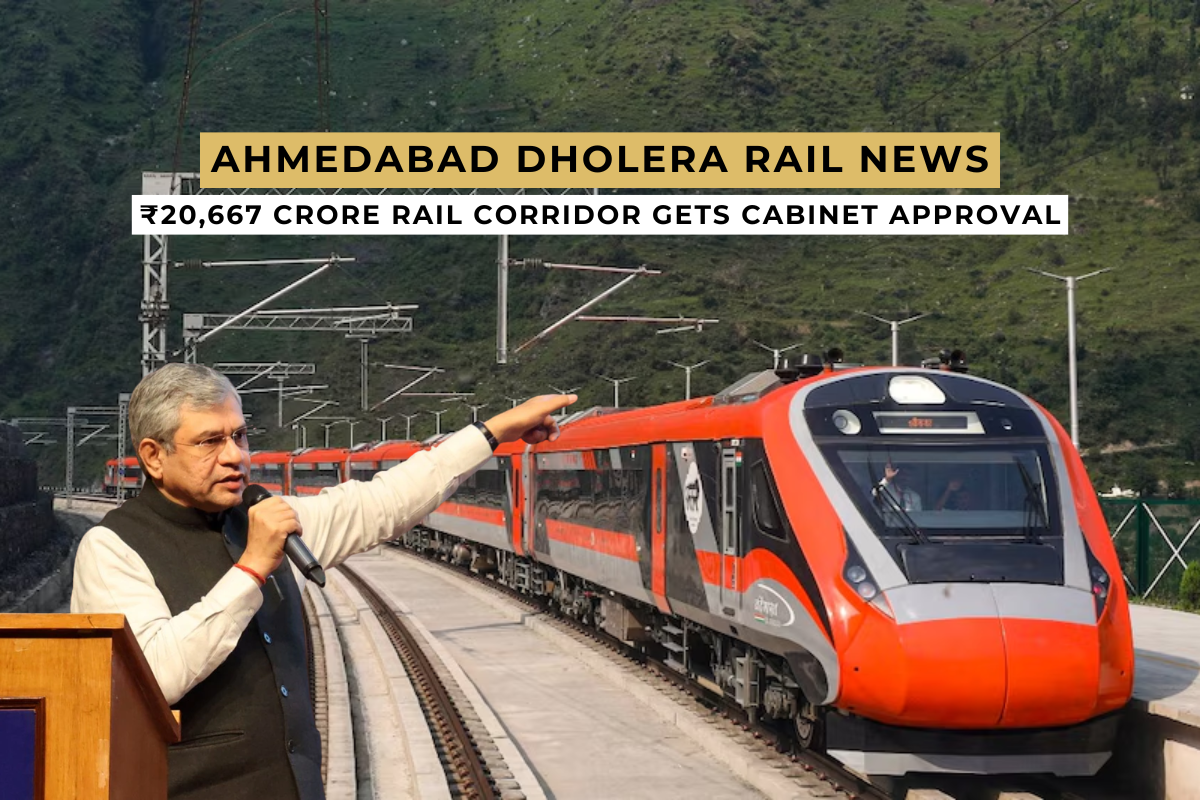
- Airport and expressway news
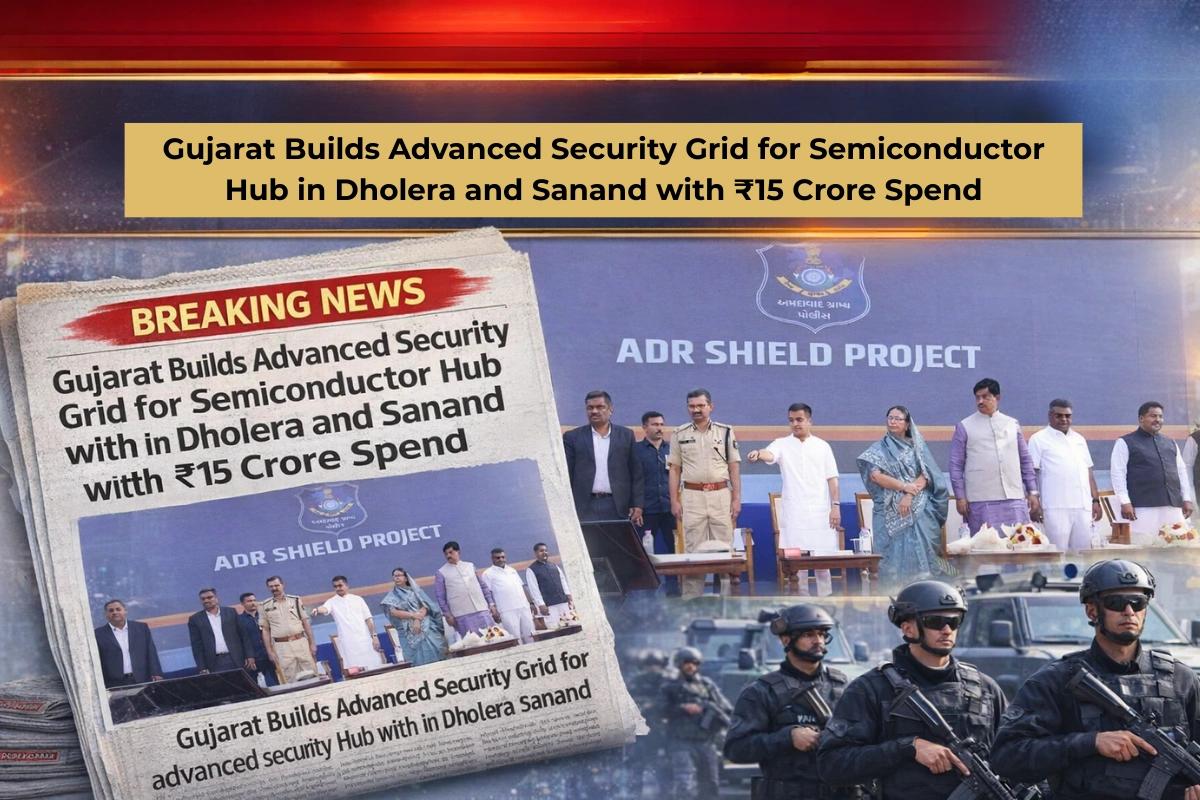
- Industrial and semiconductor project updates
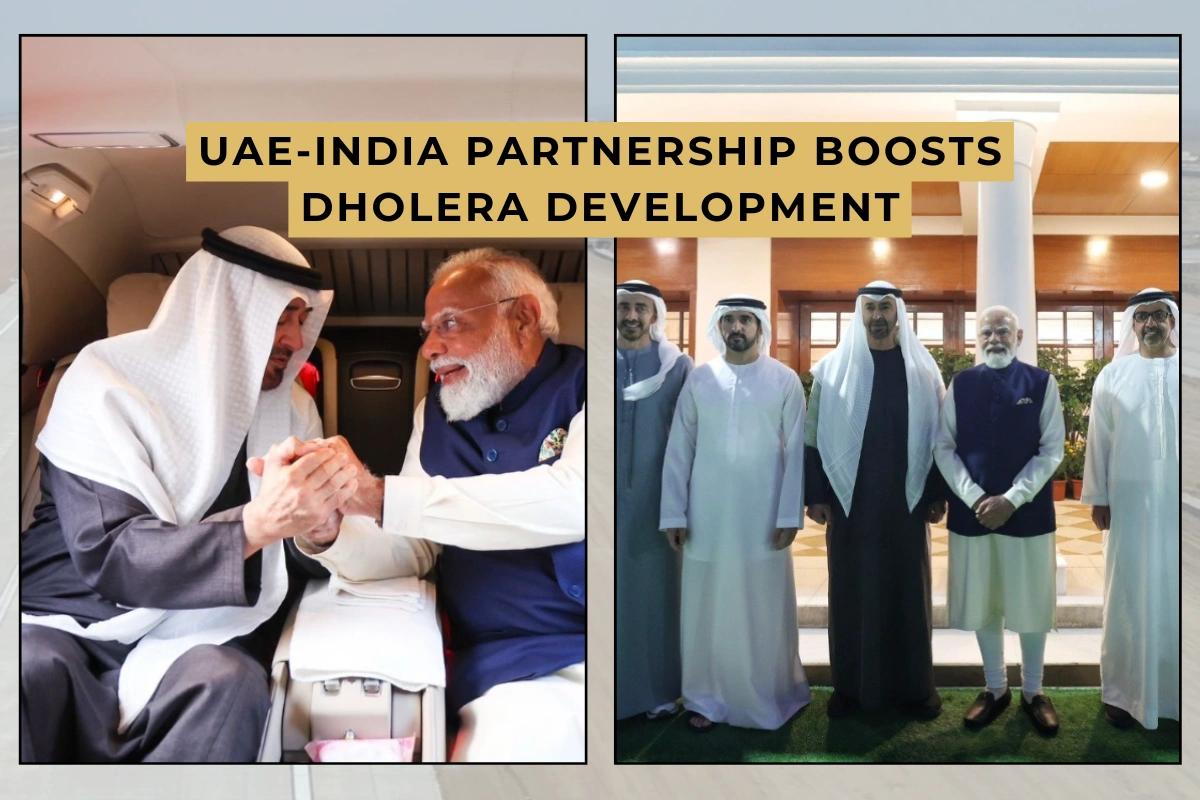
- Government announcements
- Important investment related information
Conclusion
Understanding the Town Planning Zones in Dholera Smart City can help investors make more informed decisions. Each zone has a different development plan, timeline, and purpose. While TP2 is currently the most active zone, other areas such as TP3, TP5, and TP6 offer long-term growth potential. Before investing, always study the location, verify the documents, and stay updated on the latest Dholera SIR development.
FAQ
Q. What are the TP zones in Dholera Smart City?
A. Dholera Smart City has six TP zones (TP1 to TP6), each planned for a specific use of industrial, residential, commercial, or public infrastructure under the Dholera SIR master plan.
Q. Which TP zone in Dholera has the best infrastructure in 2026?
A. TP 2 has the most developed infrastructure in 2026, including the Activation Area, internal roads, plug-and-play utilities, and the Tata Semiconductor Fab project.
Q. Is it safe to invest in TP zones outside TP3 in Dholera?
A. Yes, it is safe to invest near TP3 Zone as offer lower entry prices with long-term appreciation potential as connectivity.
Q. How do TP zones affect plot prices in Dholera SIR?
A. Plots in active zones like TP 2 are priced higher due to ready infrastructure and industrial anchors. Plots in early zones are priced lower, with appreciation expected as development expands.
Share With Your Friends & Family: