Still Waiting to Invest in Dholera? You Might Be Losing More Than You Think

Key Highlights
Waiting for the perfect time often feels like a smart and safe strategy. It gives a sense of control and reduces the fear of making a wrong decision. However, in real estate especially in emerging markets this approach often leads to missed opportunities rather than better outcomes.
In developing regions like Dholera Smart City, value is created gradually through infrastructure and planned growth. With each phase of development, land prices tend to adjust upward. By the time everything looks stable and “perfect,” the early pricing advantage is usually gone.
The real question is not when the perfect time will come, but whether waiting is quietly increasing your entry cost.
What Actually Causes Buyers to Delay Investment Decisions
Buyer hesitation is not unusual. In fact, most investors go through a “wait and watch” phase before committing. However, this delay is often driven by a few common factors:
- Fear of Risk Early-stage investment always carries uncertainty. Many buyers hesitate because they are unsure how quickly development will progress or whether projects will meet expectations.
- Waiting for Visible Development Some investors prefer to wait until infrastructure is fully visible. While this reduces uncertainty, it often results in entering the market at a higher price point.
- Expectation of Lower Prices Buyers often assume prices might drop in the future. However, in planned regions like Dholera, prices typically rise gradually with each phase of development rather than decline.
- Information Overload With increasing promotion of Dholera plots, buyers are exposed to multiple projects, claims, and offers. This creates confusion, leading to delayed decisions.
All these factors combined slow down decision-making and increase the chances of missing early opportunities.
Current Development Status of Dholera Smart City
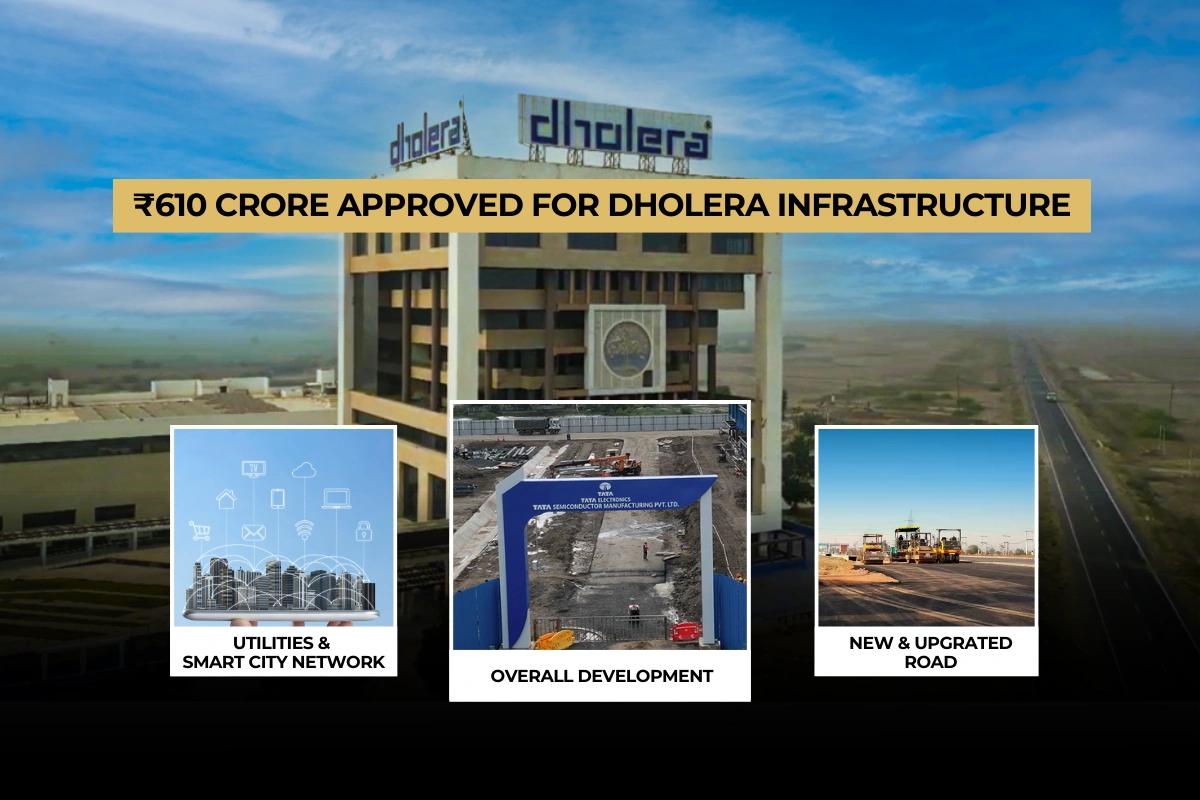
The growth of Dholera SIR is no longer just a future vision it is actively progressing on the ground.
Road Infrastructure
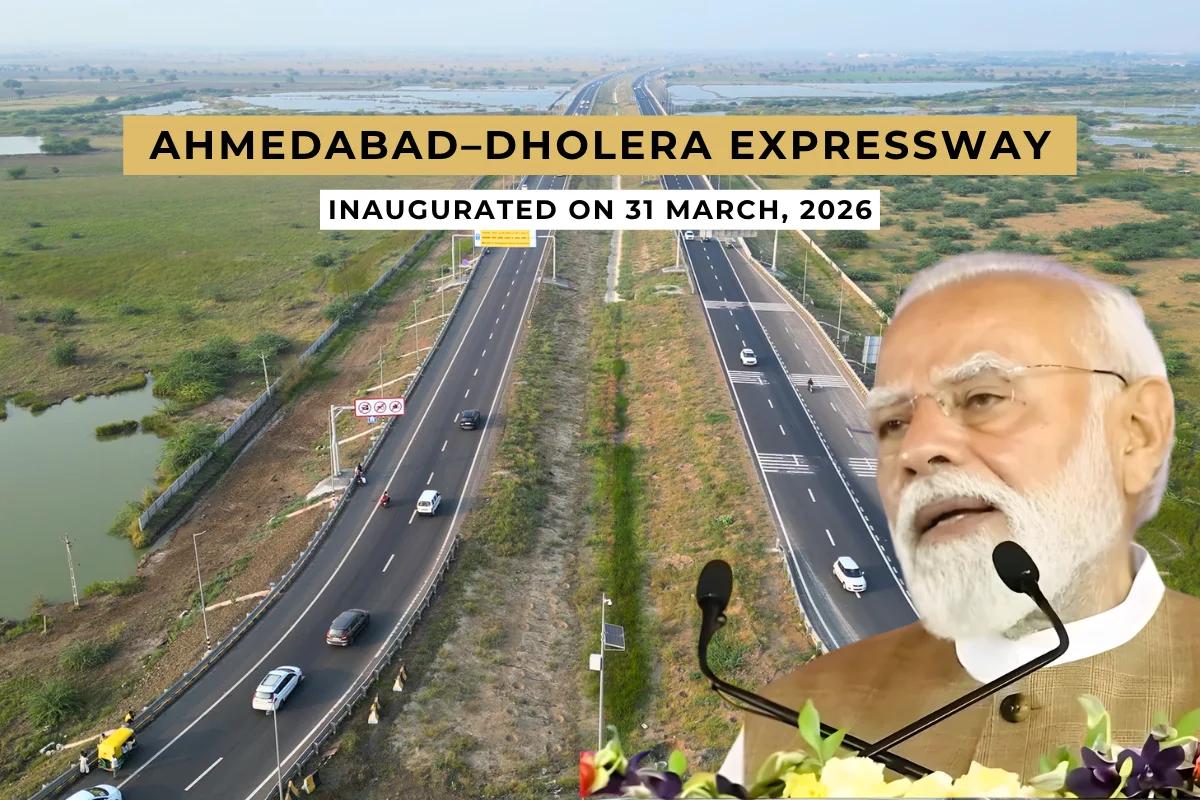
A well-planned internal road network, including 6-lane roads, is already operational. The Ahmedabad Dholera Expressway is significantly improving travel time and accessibility.
Multi-Modal Connectivity
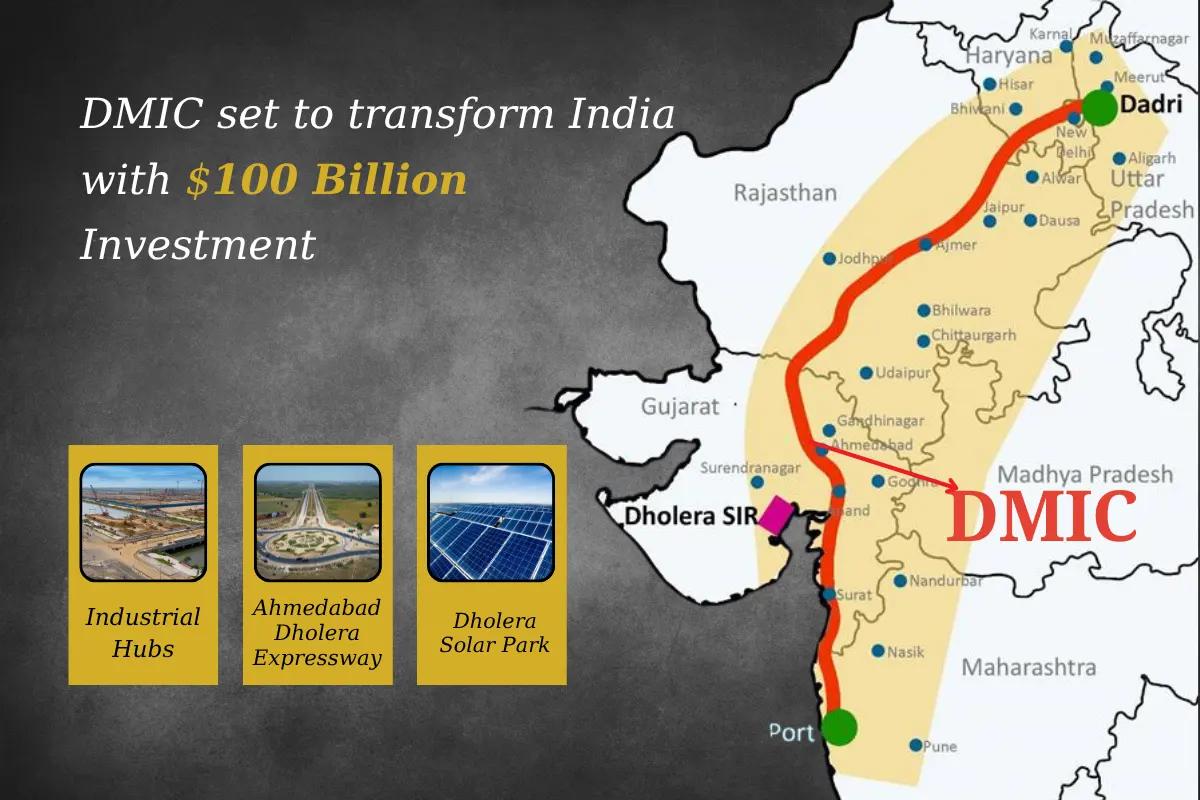
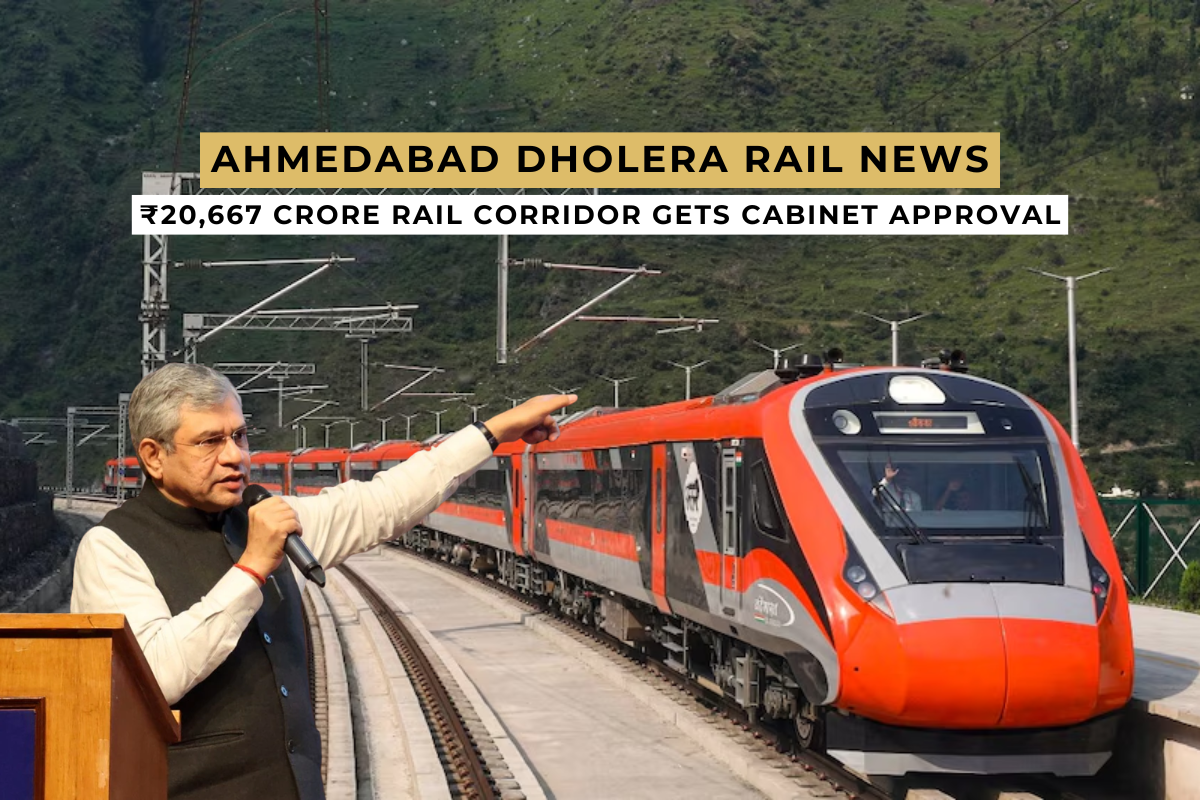
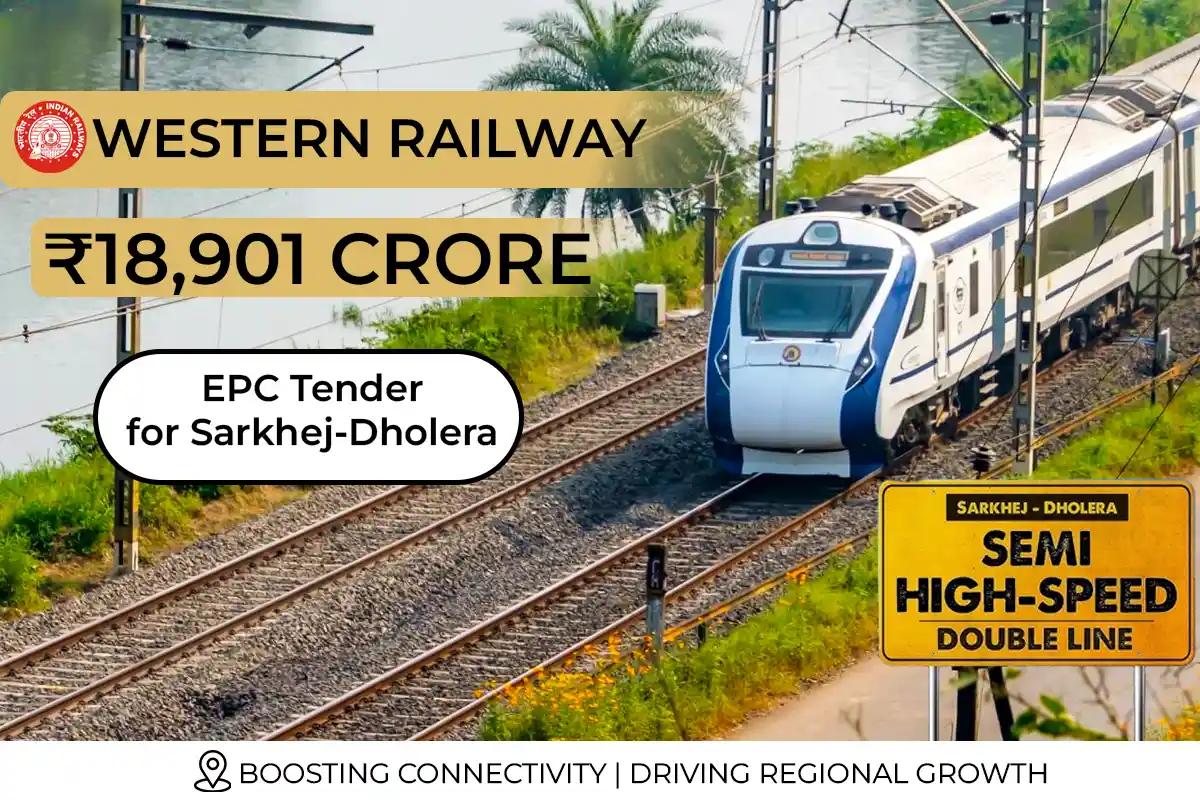
Dholera is being connected through highways, railways, ports, and airways, creating strong logistical support for industrial and residential growth.
Industrial and Zonal Planning
The city is being developed with dedicated zones for residential, commercial, and industrial use, creating a structured urban ecosystem rather than unplanned expansion.
Airport Development Impact
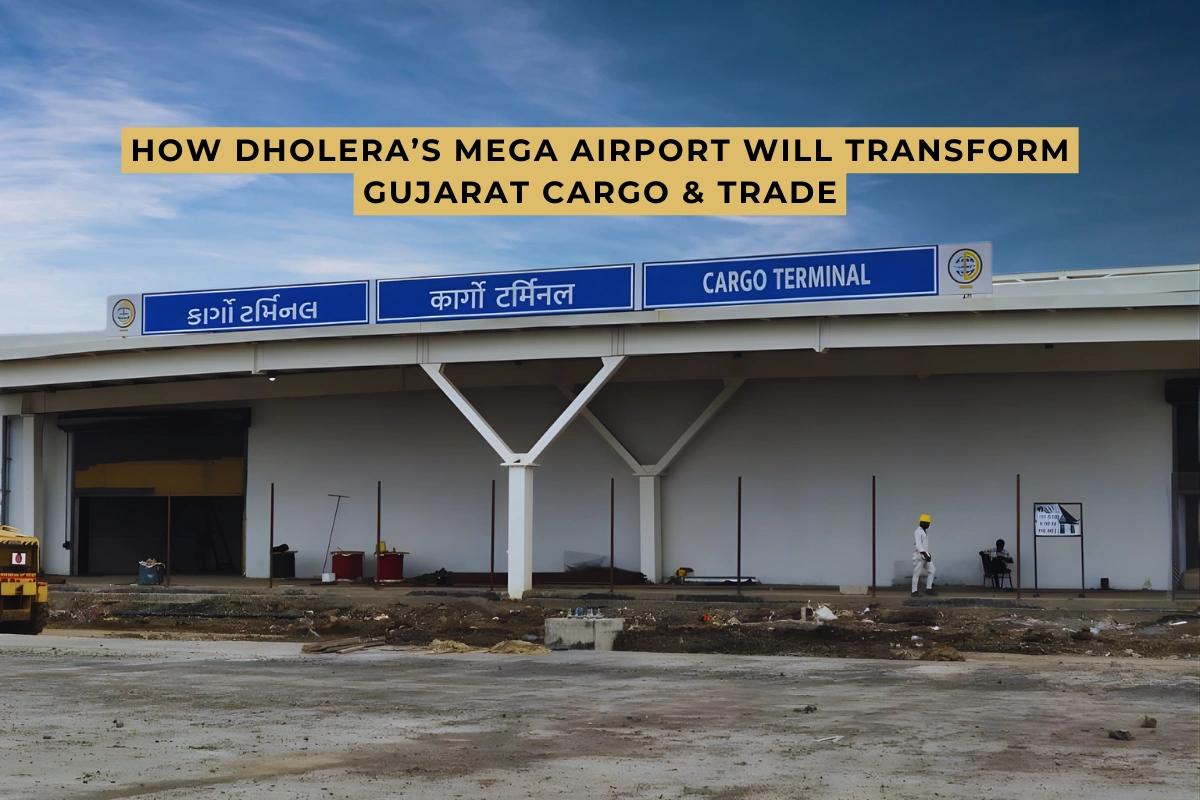
The upcoming Dholera International Airport is expected to play a major role in driving demand, improving connectivity, and supporting long-term growth in Dholera property prices.
The Real Cost of Waiting in Dholera Investment
Waiting may feel like a safe strategy, but in reality, it comes with hidden costs. Here are some key factors to consider:
A. Gradual Increase in Land Prices
Property prices in developing regions rise in phases. As infrastructure progresses, land becomes more valuable. Early investors benefit from lower entry points, while delayed buyers often pay a premium.
B. Reduced Availability of Prime Locations
In any growing market, the best locations are acquired first. Investors who wait usually end up with limited options, often compromising on location and connectivity.
C. Lower Long-Term Appreciation Potential
Time plays a crucial role in real estate returns. Early investments allow for longer holding periods, which typically result in better appreciation compared to late entries.
Early vs Late Investment in Dholera: A Practical Comparison
When it comes to Dholera plots, the timing of your investment can make a big difference. Early buyers enjoy better pricing and choices, while late buyers may face higher costs and limited options.
| Factor | Early Investment | Late Investment |
|---|---|---|
| Entry Price | Lower | Higher |
| Location Options | More choices | Limited options |
| ROI Potential | Higher | Moderate |
| Risk | Calculated | Lower but expensive |
What This Means for Buyers:
- Early investors gain better pricing and location advantages
- Late investors get more clarity but at a significantly higher cost
- Long-term returns are generally stronger for early entries
Why Perfect Timing Rarely Matches Real Market Conditions
Real estate markets do not wait for individual decisions. Growth happens in phases, and each stage of development in Dholera Smart City gradually increases land value.
By the time:
- Infrastructure becomes fully visible
- Demand starts rising rapidly
- Market confidence strengthens
The pricing advantage is already reduced.
In most cases, what feels like the “perfect time” is only identified after prices have already moved up. By then, the opportunity shifts from early advantage to late entry, where buyers pay more for the same value they could have secured earlier.
How Smart Investors Approach Dholera Opportunities
Experienced investors focus less on timing and more on fundamentals. Instead of waiting indefinitely, they follow a structured approach:
- Verify land approvals such as TP and NA
- Check location through site visits and maps
- Evaluate road connectivity and nearby infrastructure
- Monitor ongoing development projects
- Choose planned developments over unstructured land
This approach helps reduce risk while allowing investors to benefit from early-stage growth.
Evaluating Whether Now Is the Right Time to Invest
There is no one-size-fits-all answer. The right time depends on your financial goals, risk tolerance, and investment horizon.
However, for long-term investors, entering during the development phase often provides better value. Dholera Smart City is still evolving, making it a potential opportunity for those focused on long-term growth rather than short-term gains.
Instead of trying to predict the perfect moment, it is more practical to assess:
- Current infrastructure progress
- Location advantages
- Future growth drivers
Instead of waiting for the perfect moment, focusing on fundamentals and acting at the right stage of development often leads to better long-term outcomes.
Final Takeaway: Waiting Feels Safe, But It Often Comes at a Price
Delaying decisions in a growing market does not eliminate risk it simply shifts it. Instead of facing early-stage uncertainty, delayed buyers face higher costs and fewer options.
In real estate, especially in planned developments, value is captured by those who act early with information not by those who wait for certainty.
The cost of waiting is rarely visible immediately, but over time, it becomes the biggest factor affecting returns. What seems like a cautious approach today can turn into a missed opportunity tomorrow. In fast-developing regions, timely and informed decisions often make the difference between average and strong long-term outcomes.
Frequently Asked Questions
Q. Is now a good time to consider Dholera plots?
A. Early-stage development phases often provide better pricing and location choices, which may suit buyers planning for the long term.
Q. Why do Dholera plot prices change over time?
A. Price movement is influenced by infrastructure progress, improving connectivity, and overall market demand.
Q. Is Dholera suitable for long-term planning?
A. It is generally considered a long-term option due to phased development and future growth potential.
Q. What should I check before selecting a plot in Dholera?
A. Review approvals (TP, NA), location quality, road access, and overall connectivity before making a decision.
Share With Your Friends & Family: