Gujarat Government Spends ₹15 Crore to Develop Specialised Security Infrastructure for Semiconductor Zones in Sanand and Dholera

Key Highlights
Gujarat has solidified its position as the primary destination for high-tech industrial growth in India. To fortify this reputation, the Gujarat government has officially allocated and spent ₹15 crore to develop a specialised security infrastructure tailored specifically for the semiconductor zones in Sanand and Dholera. This investment is a strategic response to the massive global capital flowing into the state’s high-tech corridors.
Strengthening the Dholera Smart City Project
The Dholera Smart City project has transitioned from a blueprint to a high-activity industrial zone. With the rise of Dholera City, the need for a robust security framework became paramount. The government’s ₹15 crore expenditure focuses on creating a "digital fence" around the Dholera SIR (Special Investment Region).
This specialised grid is not merely about increasing police presence; it is about deploying advanced surveillance technologies that can monitor vast industrial landscapes in real-time. For a project as ambitious as Dholera Smart City, security is the bedrock upon which investor trust is built.
Key Features of the ₹15 Crore Security Grid
The specialised infrastructure implemented by the state police involves a multi-layered approach to industrial security:
- High-Tech Infrastructure: The ₹15 crore budget has been utilized to integrate a comprehensive network of CCTV cameras, automatic number plate recognition (ANPR) systems, and mobile surveillance units. These systems are designed to track movement across the sensitive corridors of Sanand and Dholera.
- Advanced Surveillance: The use of AI-enabled drones allows for constant monitoring of the semiconductor manufacturing zones, providing data directly to state-of-the-art control rooms.
- Workforce Verification: A critical part of this expenditure includes digital labour management systems. These systems maintain verified profiles for the thousands of workers employed by giants like Tata Electronics and Micron Technology, ensuring that the high-security zones remain restricted to authorised personnel only.
- Rapid Response Units: Specialised "smart policing" units have been equipped with high-speed vehicles and communication gear to ensure an immediate response to any security breach within the semiconductor zones.
Protecting the ₹91,000 Crore Investment
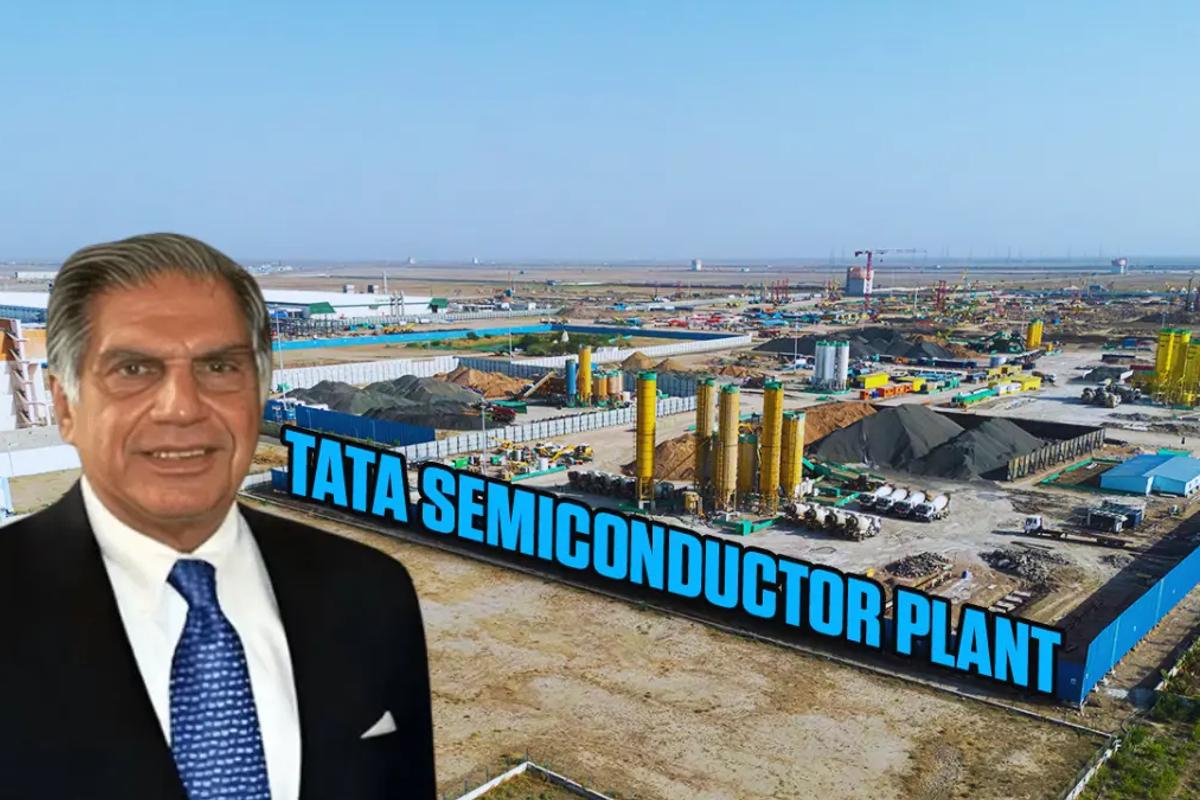
The scale of this security infrastructure is a direct reflection of the semiconductor manufacturing plant cost in India. The cornerstone of this region is India’s first commercial semiconductor fab, established by Tata Electronics in partnership with Taiwan's PSMC. This single project represents a landmark ₹91,000 crore investment.
Furthermore, Sanand has become a focal point for the global supply chain, housing Micron Technology’s massive assembly and test facility. When the semiconductor manufacturing plant cost in India reaches such staggering heights, the state must ensure that the physical and digital assets are protected against theft, industrial espionage, and sabotage. The ₹15 crore spent on security is a vital insurance policy for these multi-billion-dollar projects.
Strategic Impact on Semiconductor Manufacturing
The Gujarat government is focused on more than just building factories; it is building a secure ecosystem. By addressing the safety needs of the estimated 40,000 employees expected to populate these zones by the end of 2025, the state is ensuring long-term operational stability.
The coordinated efforts in Sanand and Dholera prove that the state understands the high-stakes nature of semiconductor manufacturing. These facilities operate on "zero-downtime" principles, where even a minor security disruption can halt global production lines.
Conclusion
The transformation of Dholera Smart City and Sanand into global tech hubs is a testament to India’s manufacturing ambitions. This vision is supported by staggering financial commitments, most notably India's first commercial semiconductor fab established by Tata Electronics in partnership with Taiwan's PSMC, representing a landmark ₹91,000 crore investment. To protect such high-stakes assets, the Gujarat government has allocated ₹15 crore for a specialized security upgrade.
By deploying CCTV networks, automatic number plate recognition (ANPR) systems, and mobile surveillance units to track movement across Sanand and Dholera, the state is ensuring that its semiconductor manufacturing ecosystem is not just productive but also one of the most secure in the world. As Dholera City continues to grow, this model will likely become the blueprint for other industrial smart cities across the nation.
Frequently Asked Questions
Q. What is the ₹15 crore semiconductor security investment in Gujarat?
A. The ₹15 crore investment is focused on strengthening semiconductor security infrastructure in Gujarat, including areas like Dholera, to support safe and reliable chip manufacturing.
Q. Why is semiconductor security important for Dholera Smart City?
A. Semiconductor security is important because it protects high-value manufacturing and supports the long-term growth of the Dholera semiconductor ecosystem.
Q. How does this security investment support chip manufacturing in Dholera?
A. This investment improves reliability and safety for semiconductor operations, making Dholera Smart City more suitable for advanced chip manufacturing.
Q. Does this update show real progress in Dholera’s semiconductor development?
A. Yes. Investments in security and infrastructure indicate that Dholera Smart City is moving toward real, on-ground semiconductor ecosystem development.
Q. Why are investors watching semiconductor infrastructure before investing in Dholera?
A. Investors track such updates because strong infrastructure can improve long-term demand for plots in Dholera by supporting industry, jobs, and overall Dholera investment growth.
Share With Your Friends & Family: