Delhi-Mumbai Industrial Corridor set to transform India with USD 100 billion investment
Key Highlights
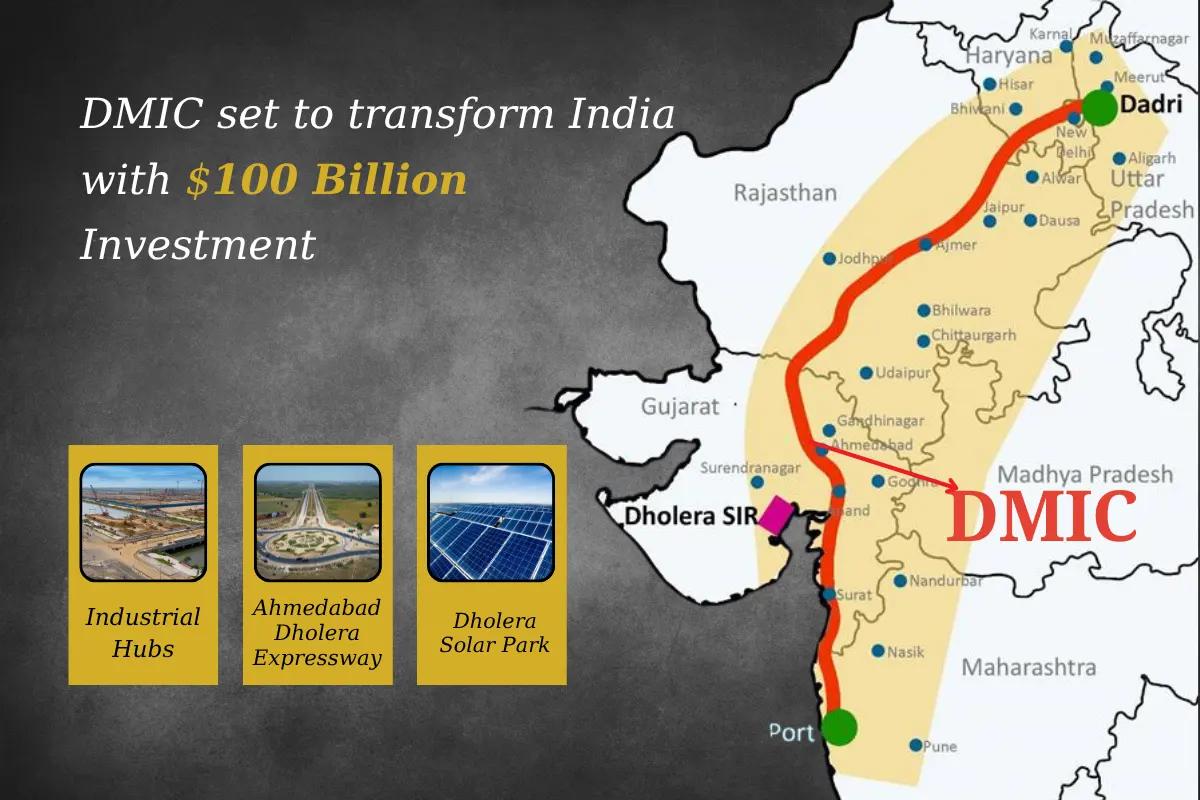
The Delhi-Mumbai Industrial Corridor (DMIC) is one of India’s most ambitious and transformative infrastructure projects. Stretching 1,504 km across six states, this mega initiative aims to reshape India’s industrial and economic landscape through a USD 100 billion investment. Launched in 2008 in collaboration with Japan, the project is designed to quadruple employment and triple industrial output within five years of full operation.
Overview: A Vision for Modern India
The DMIC spans Uttar Pradesh, Delhi NCR, Haryana, Rajasthan, Gujarat, and Maharashtra, connecting the national capital to Mumbai, India’s financial hub. This corridor forms the backbone of India’s plan to become a global manufacturing and trading powerhouse.
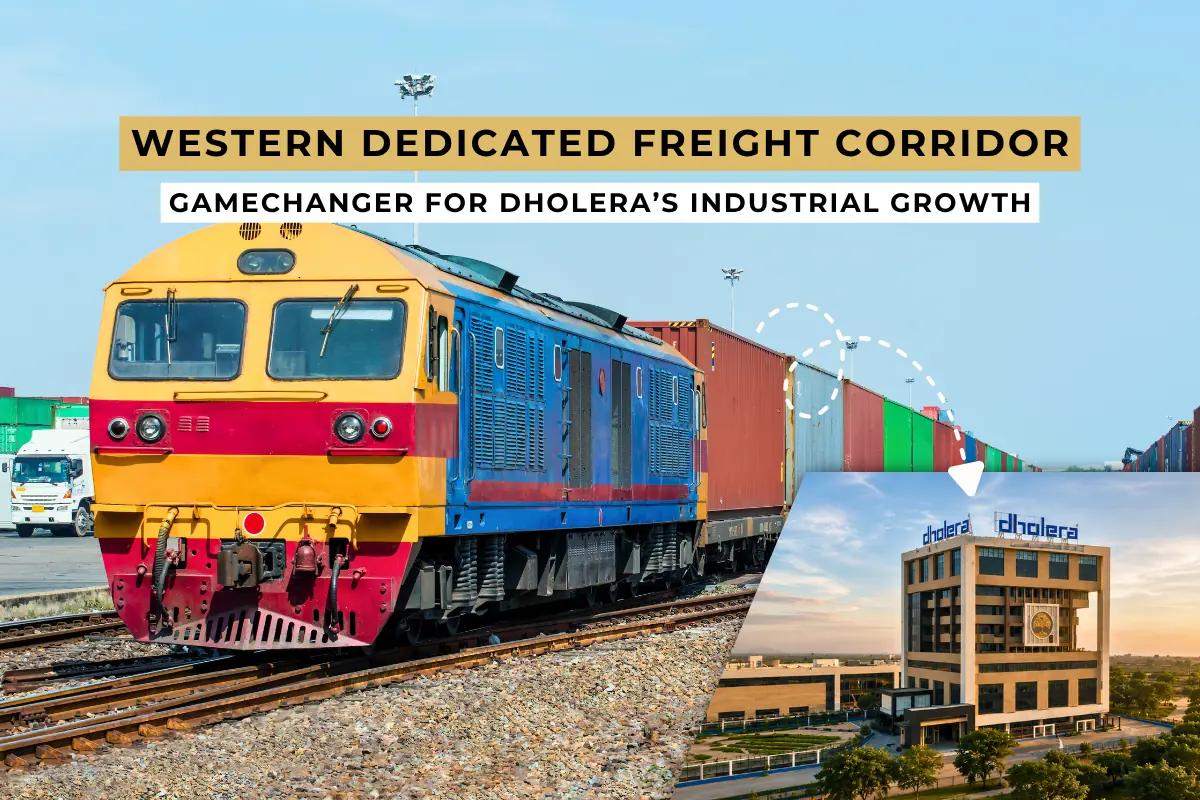
Covering 436,000 sq km, the DMIC accounts for nearly 14% of India’s land area and a significant share of its industrial output. The corridor’s strategic integration with the Western Dedicated Freight Corridor (DFC) enables high-speed cargo transport and efficient logistics, a game-changer for India’s manufacturing sector.
Dholera under DMIC: Mega Projects
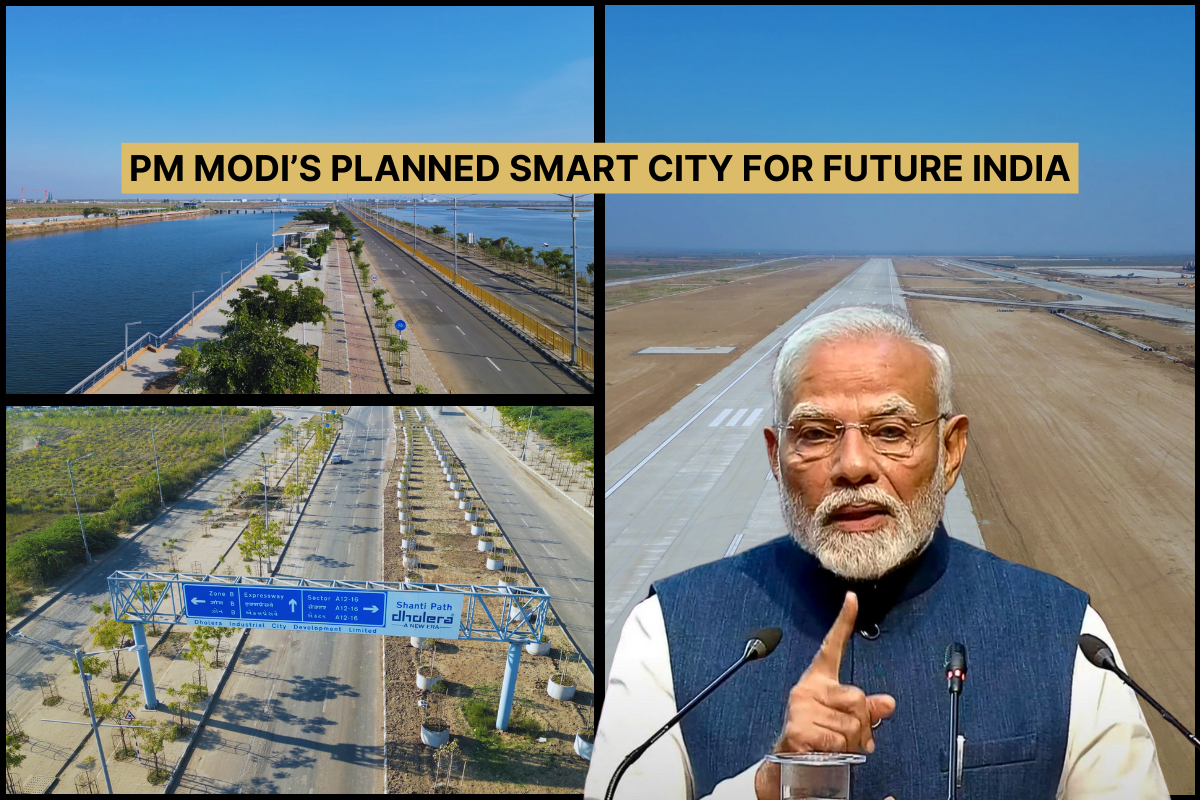
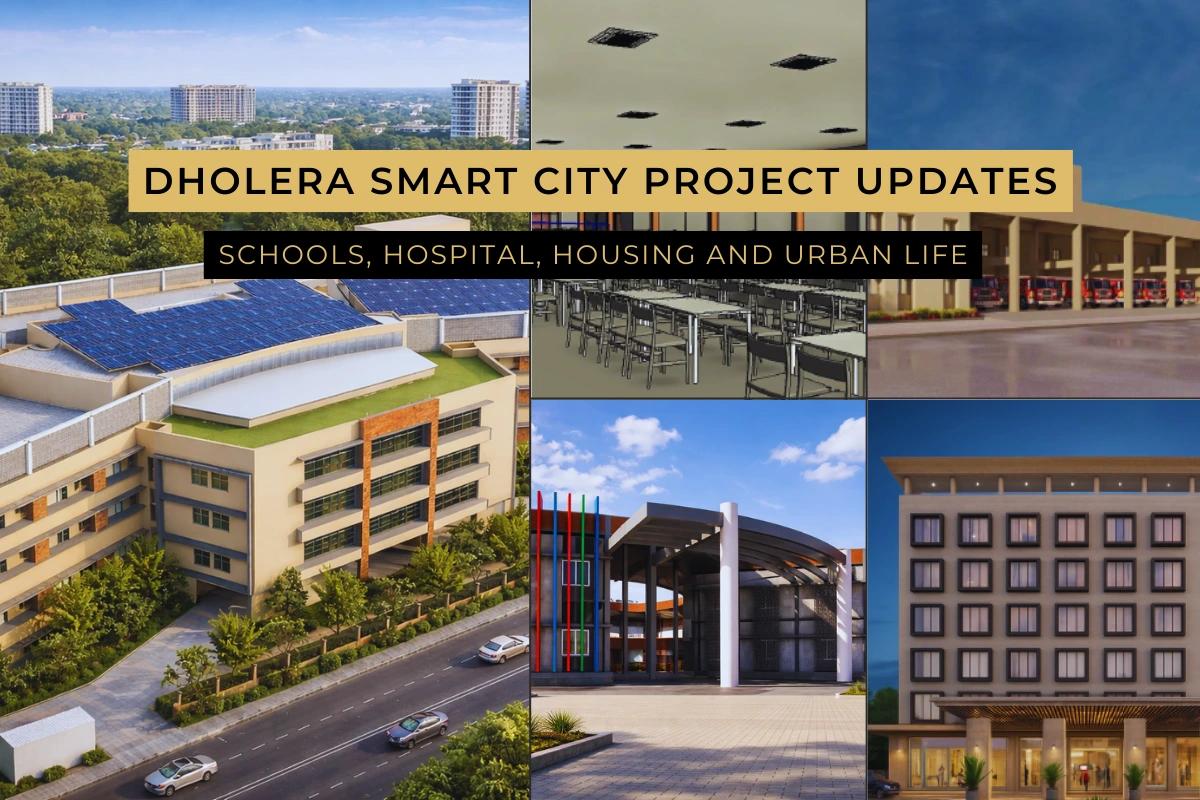
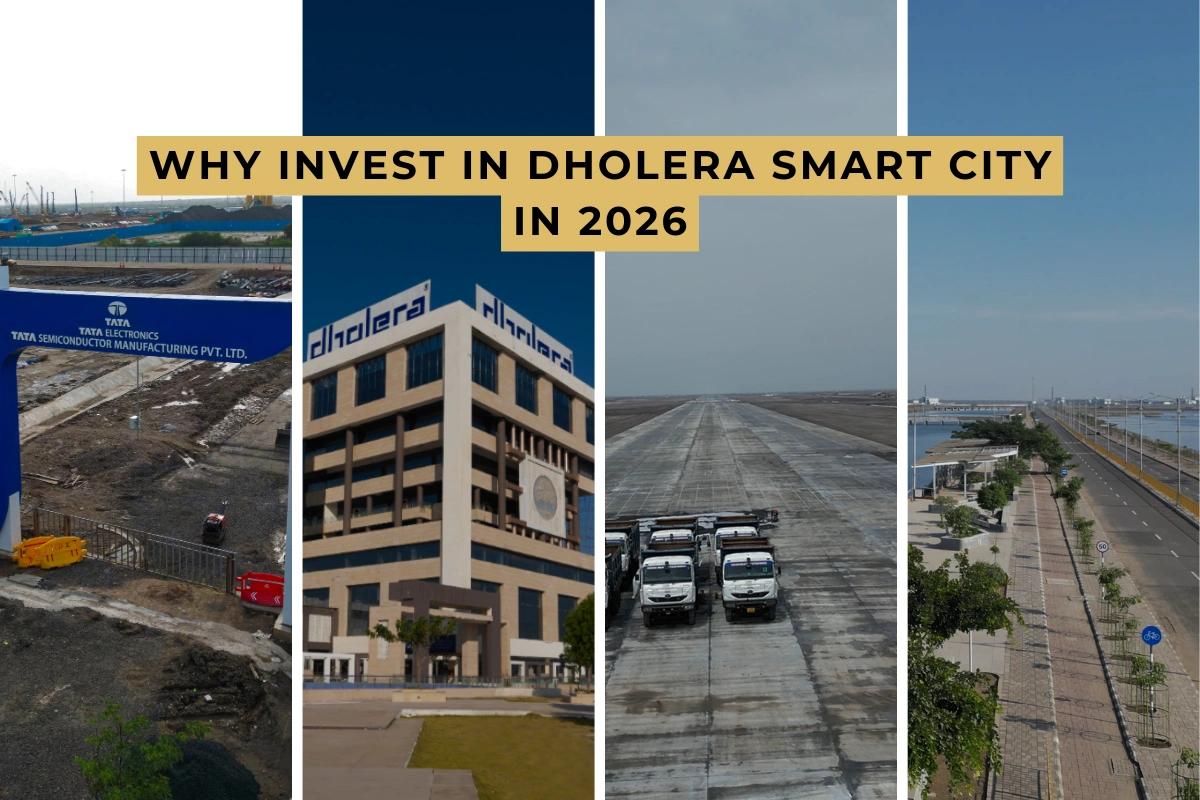
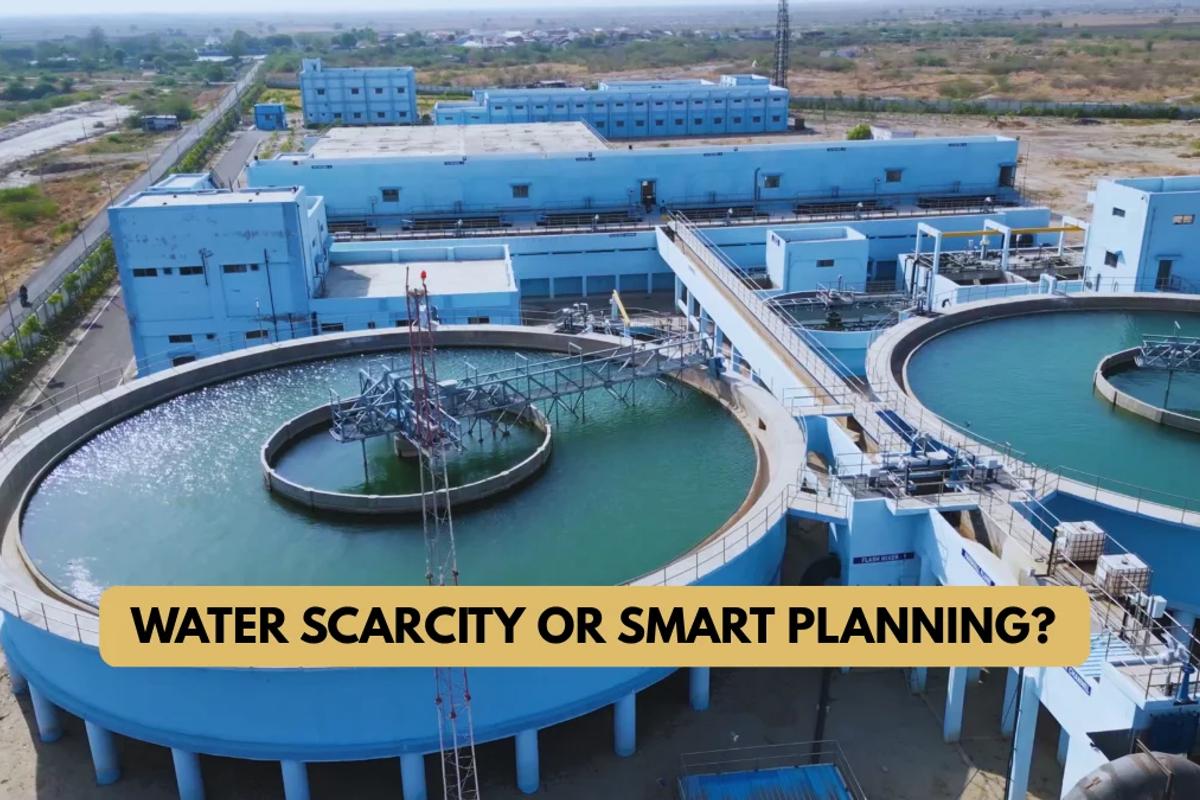
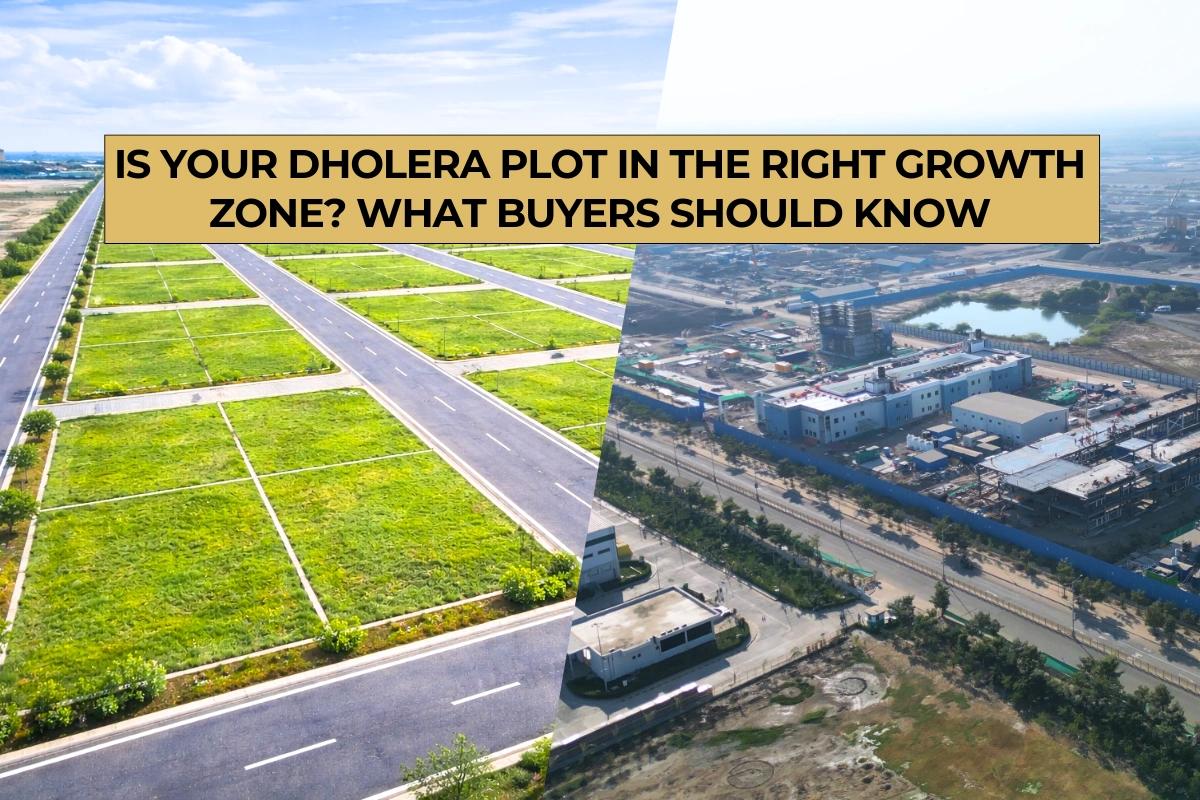
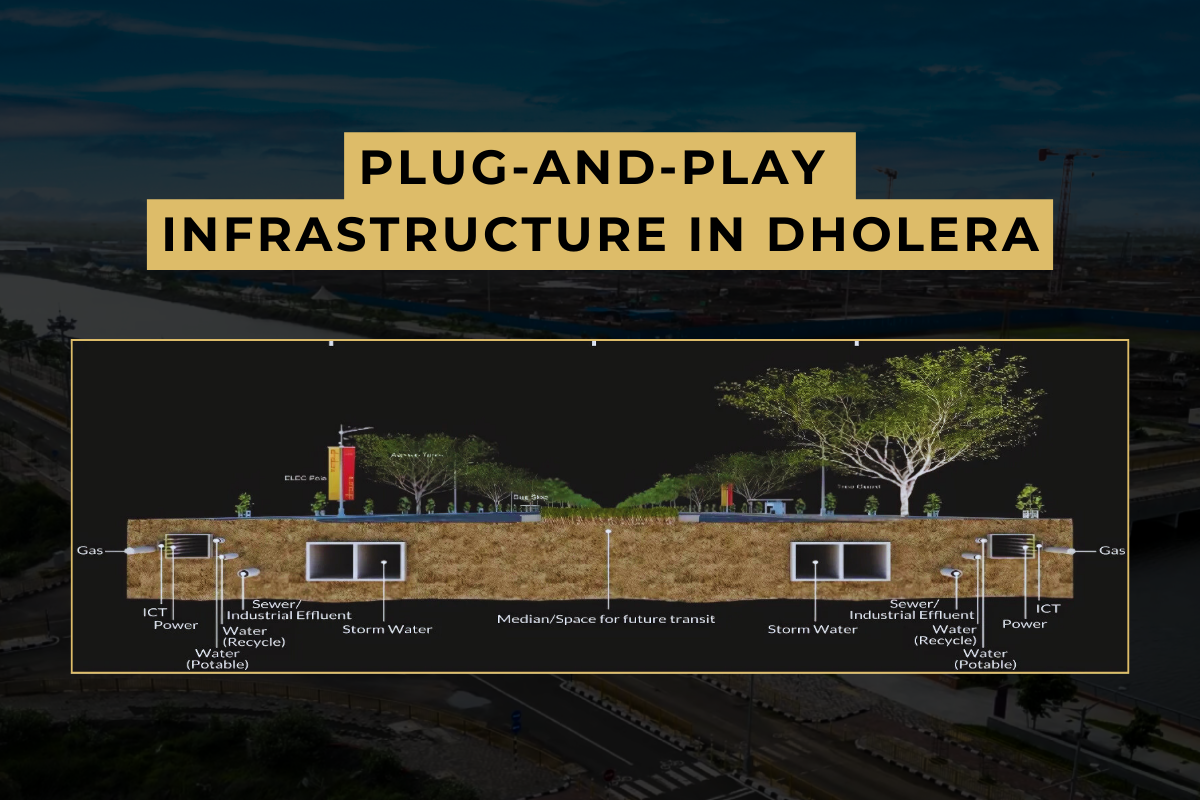
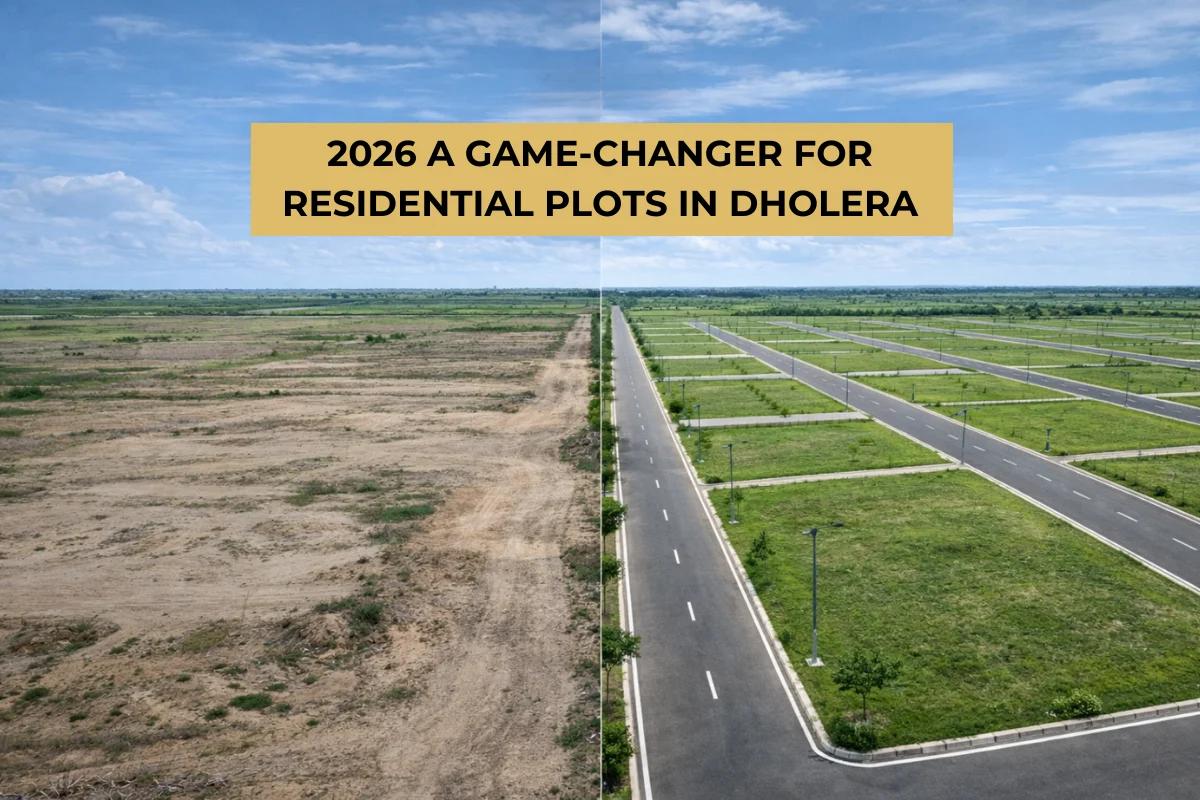
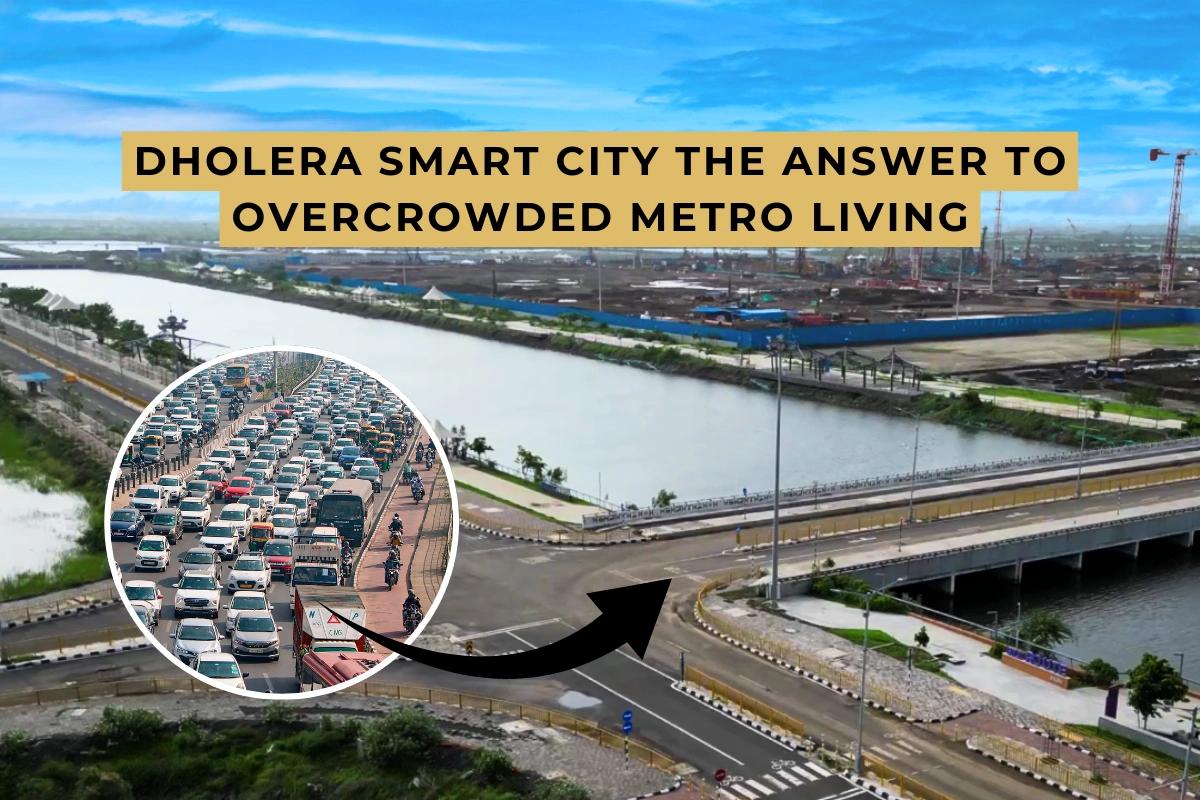
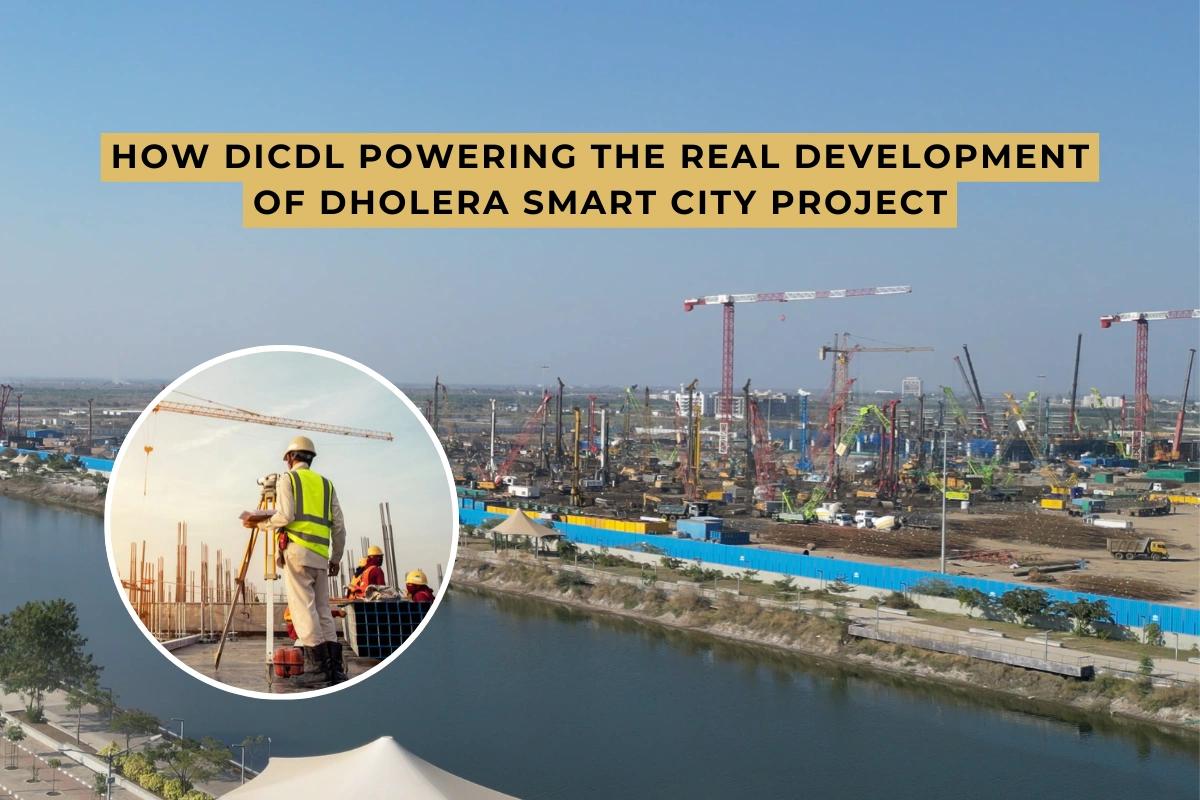
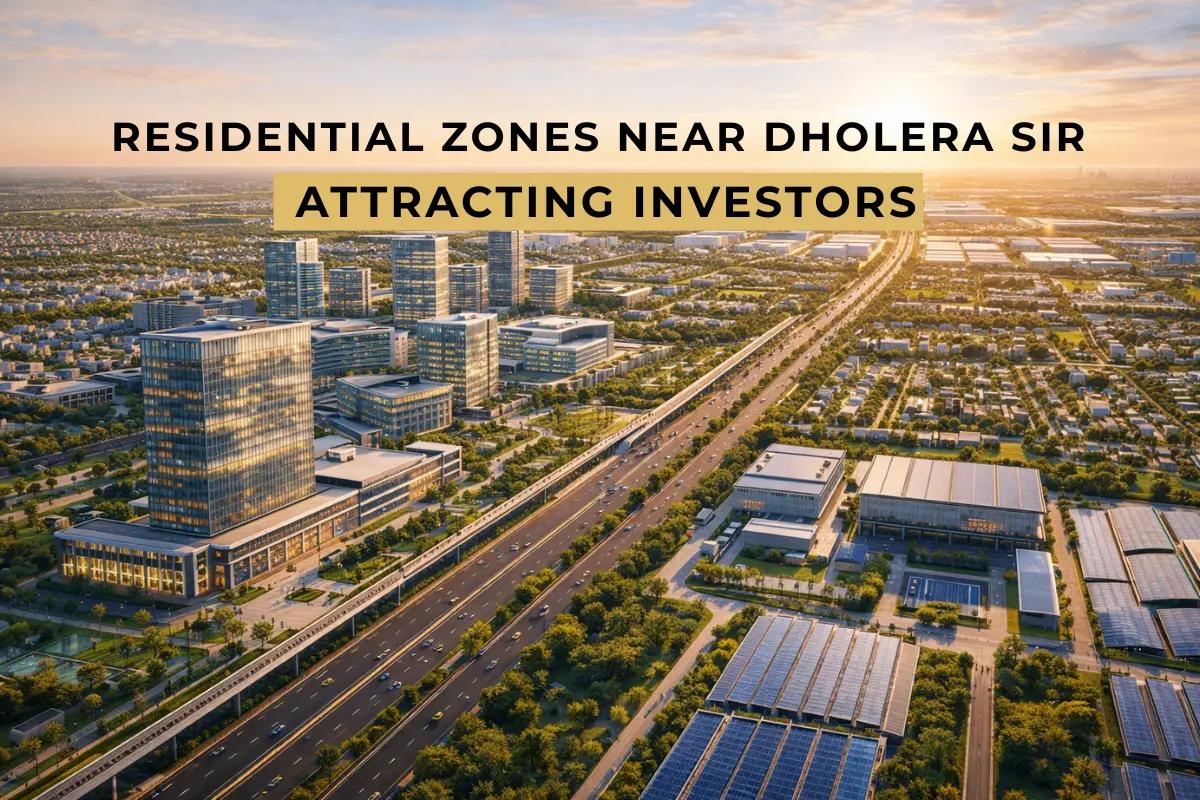
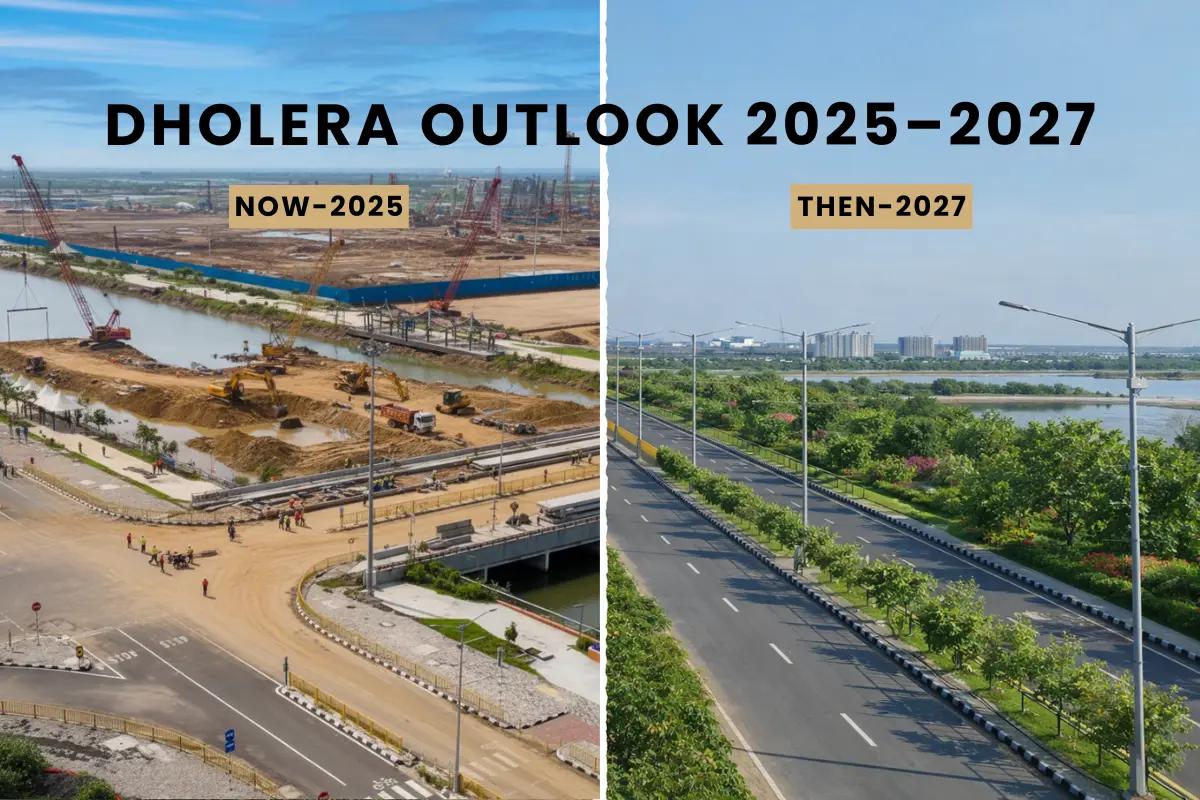
The project features nine smart cities, nine industrial zones, new ports, and high-speed freight lines, all built with cutting-edge technology and sustainability in mind. Among the most prominent developments is Dholera Smart City in Gujarat, the flagship and largest greenfield industrial township under DMIC.
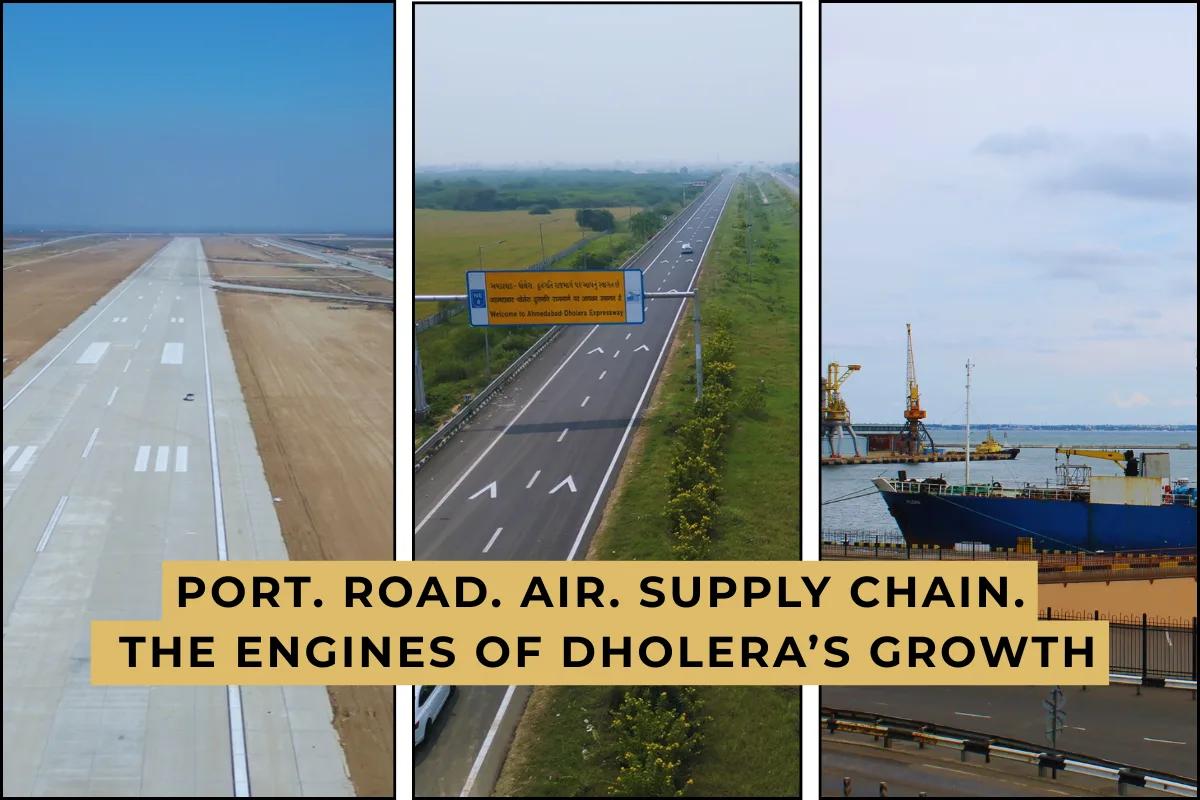
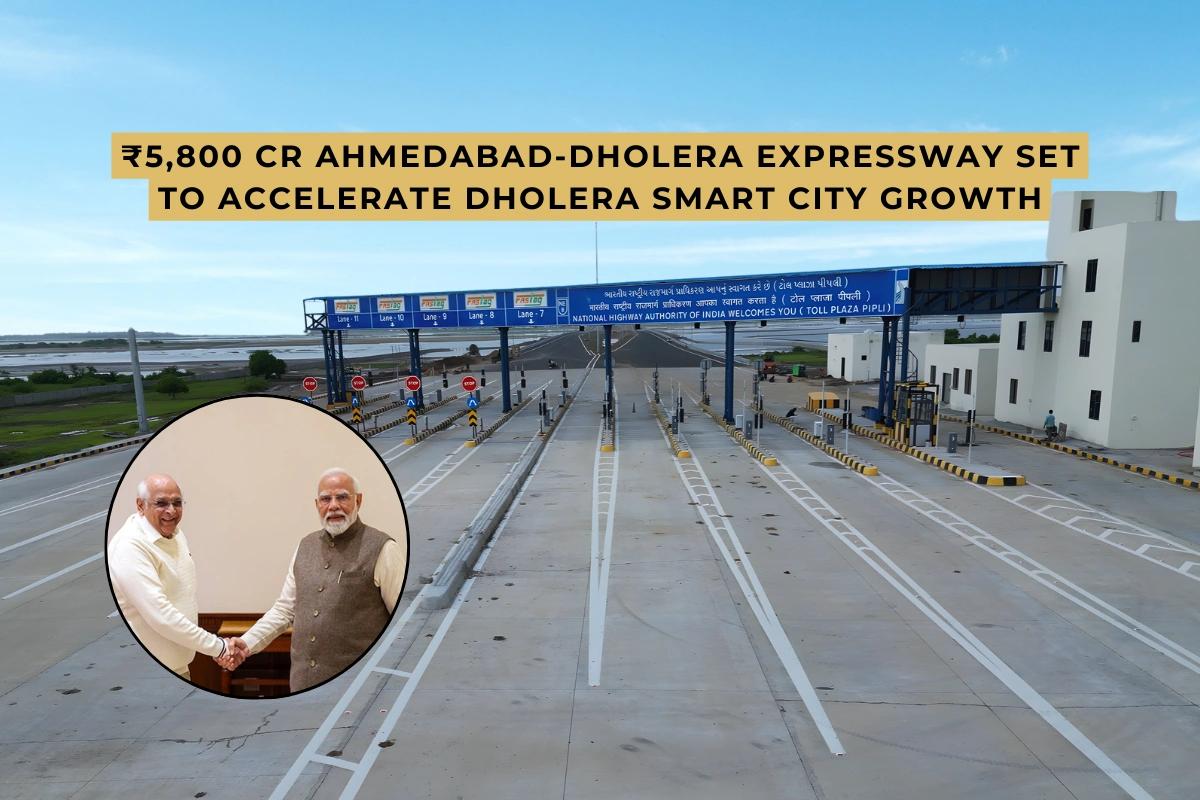
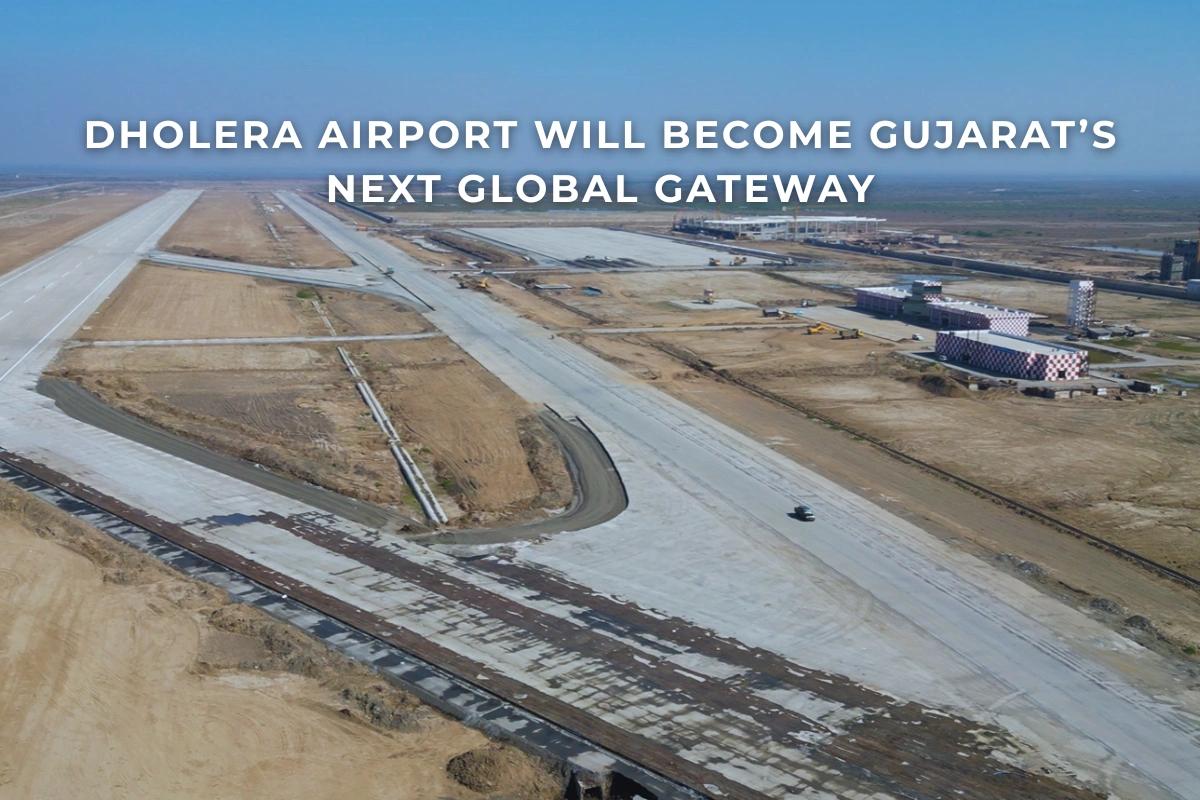
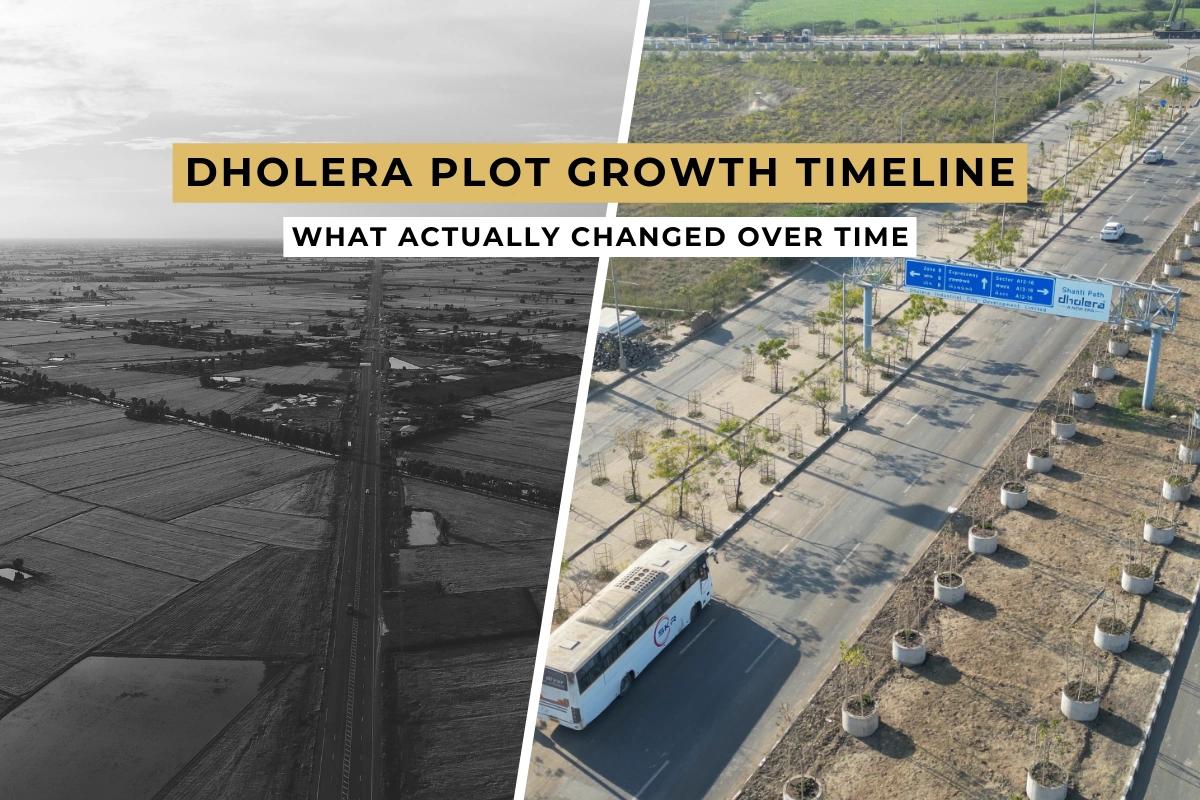
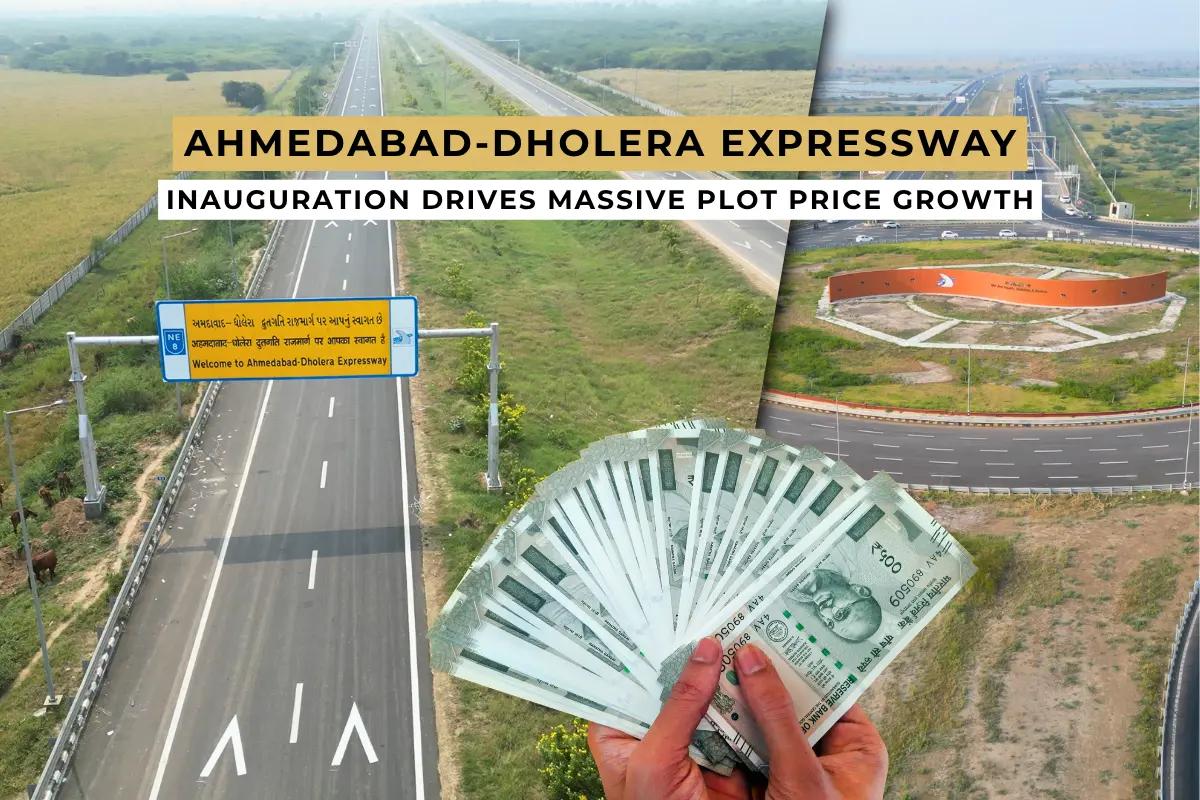
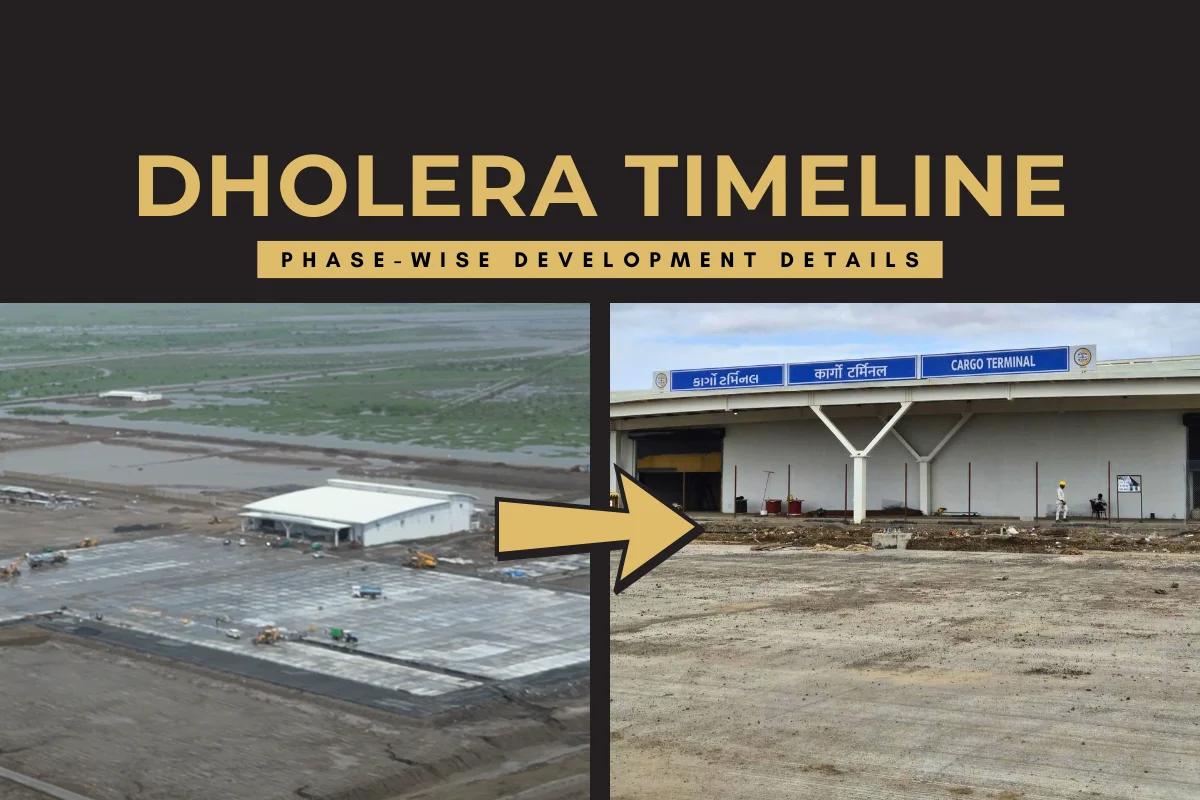
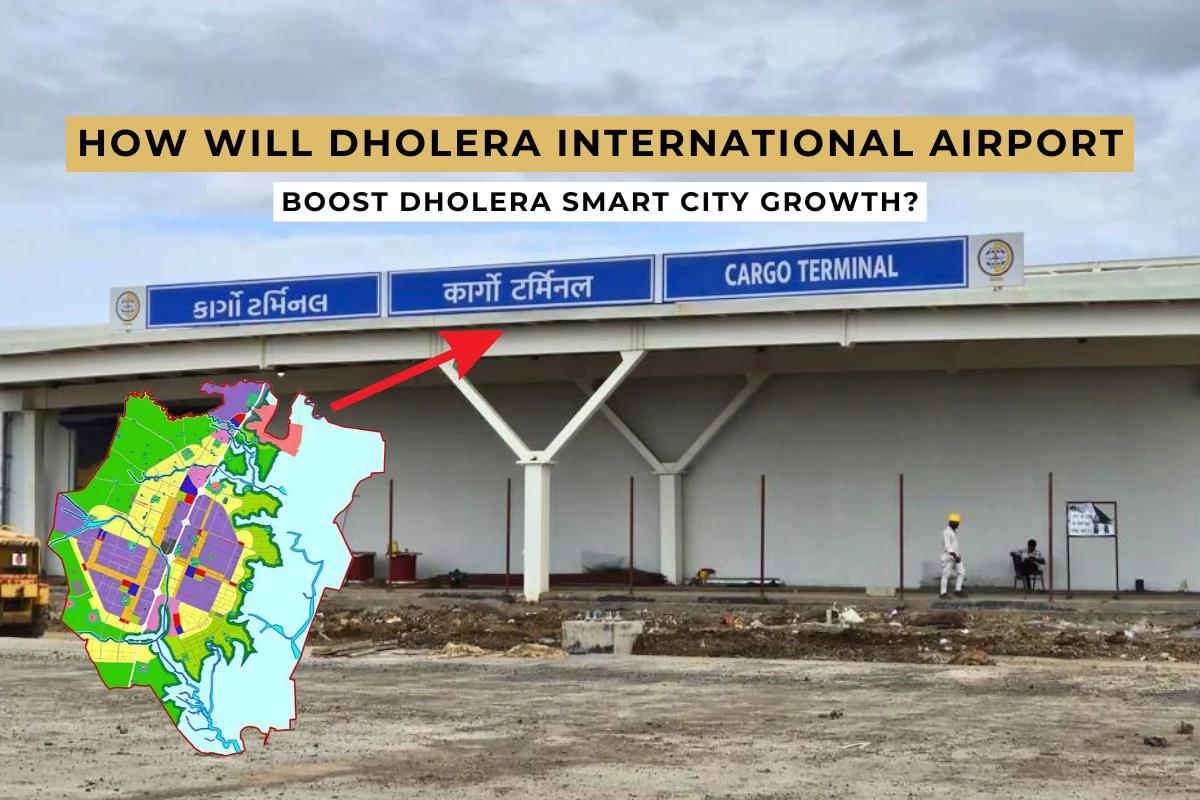
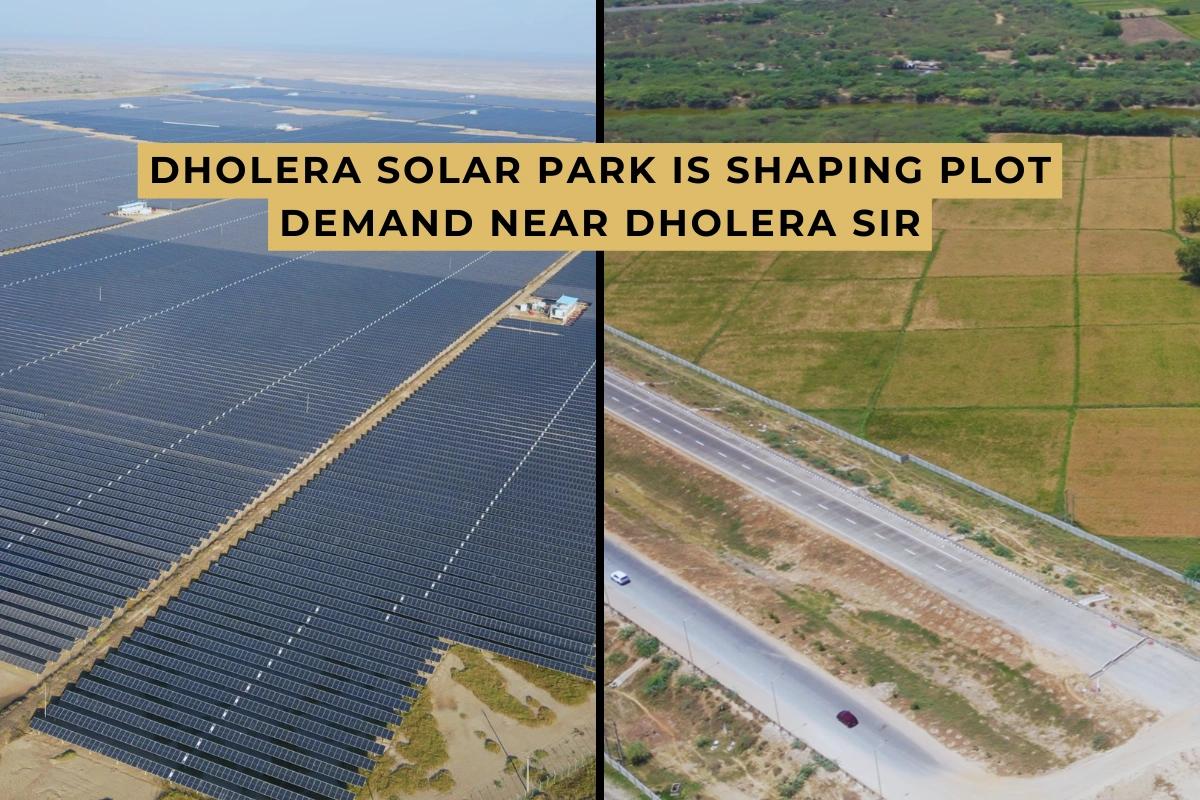
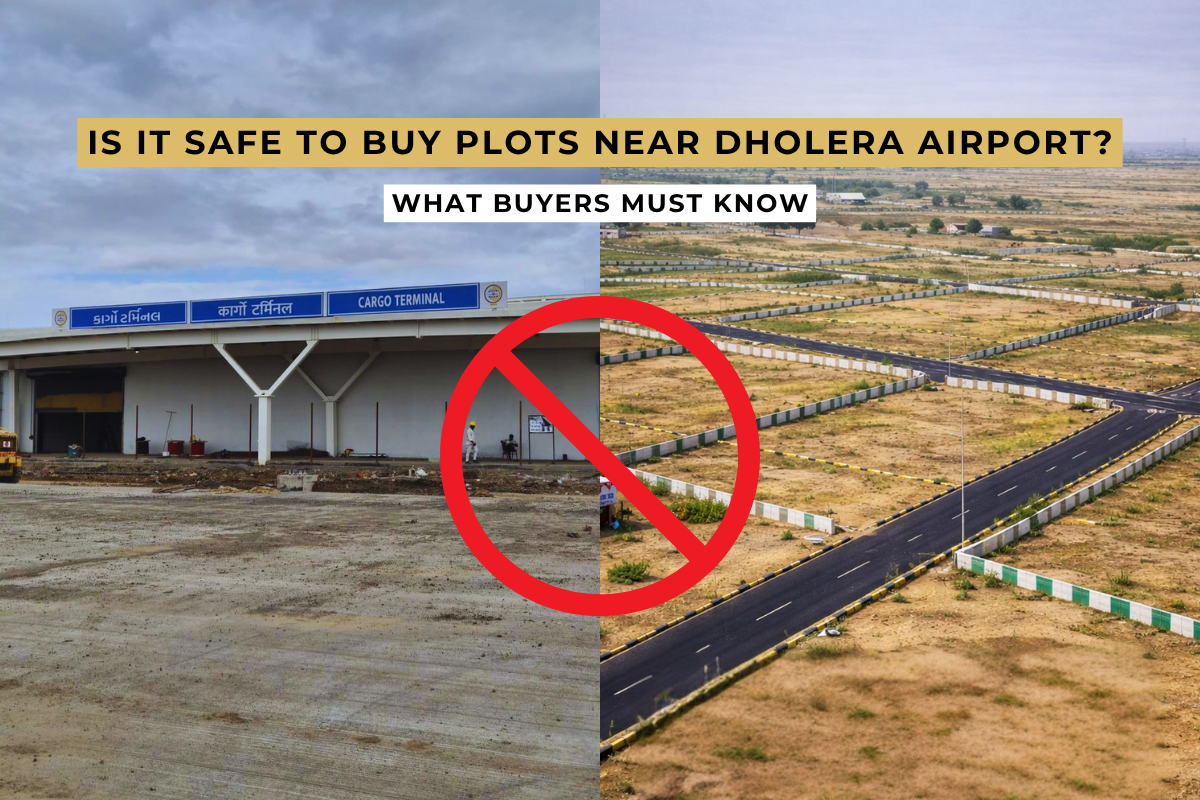
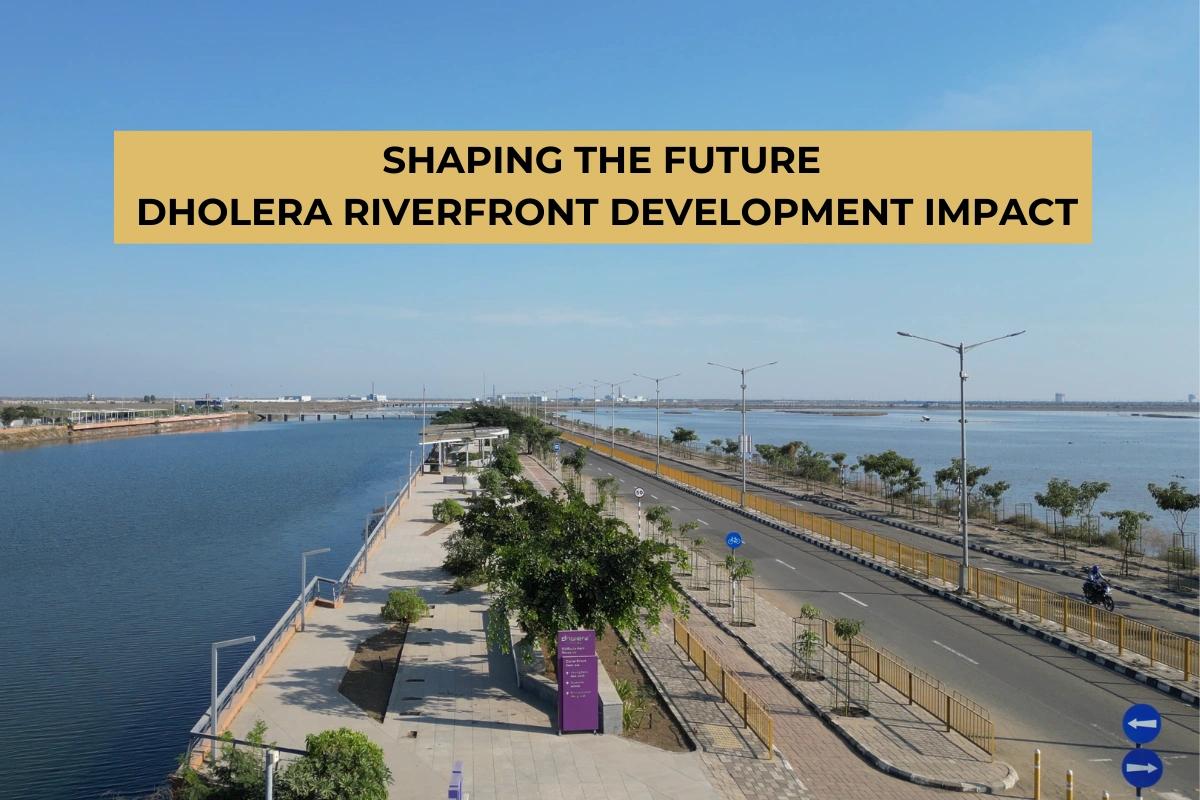
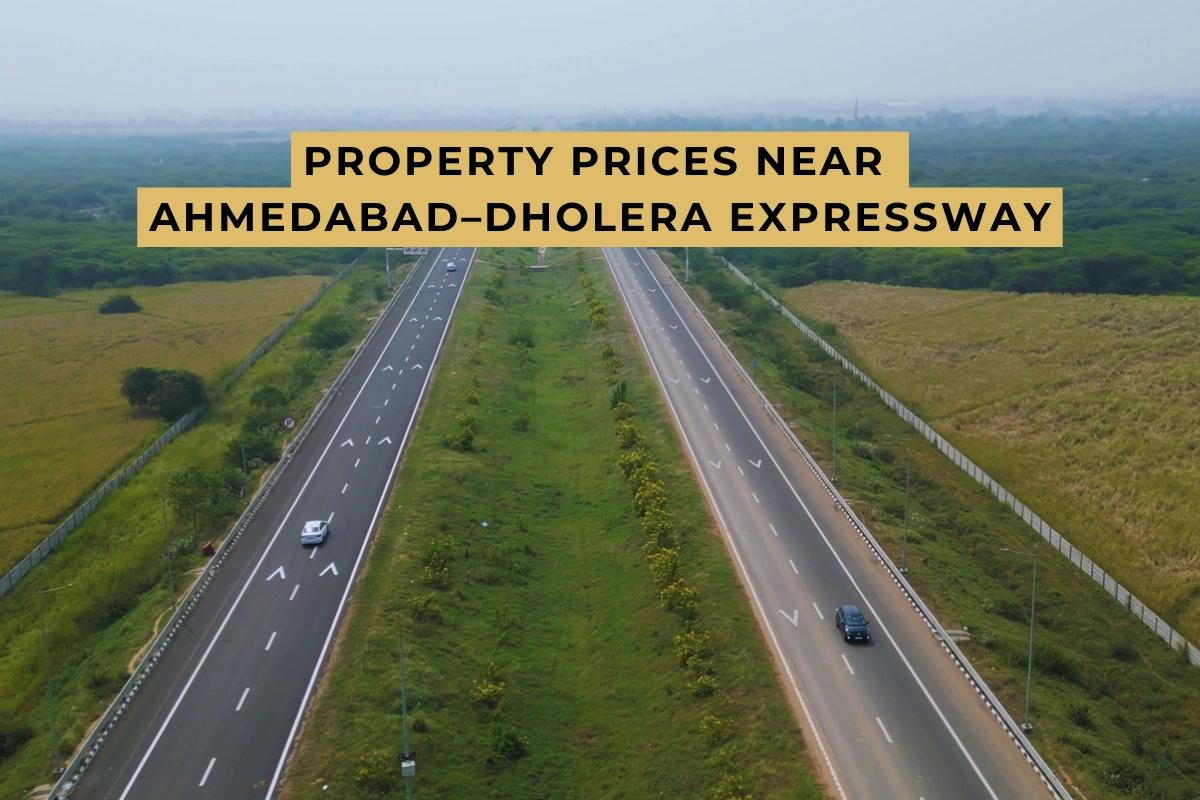
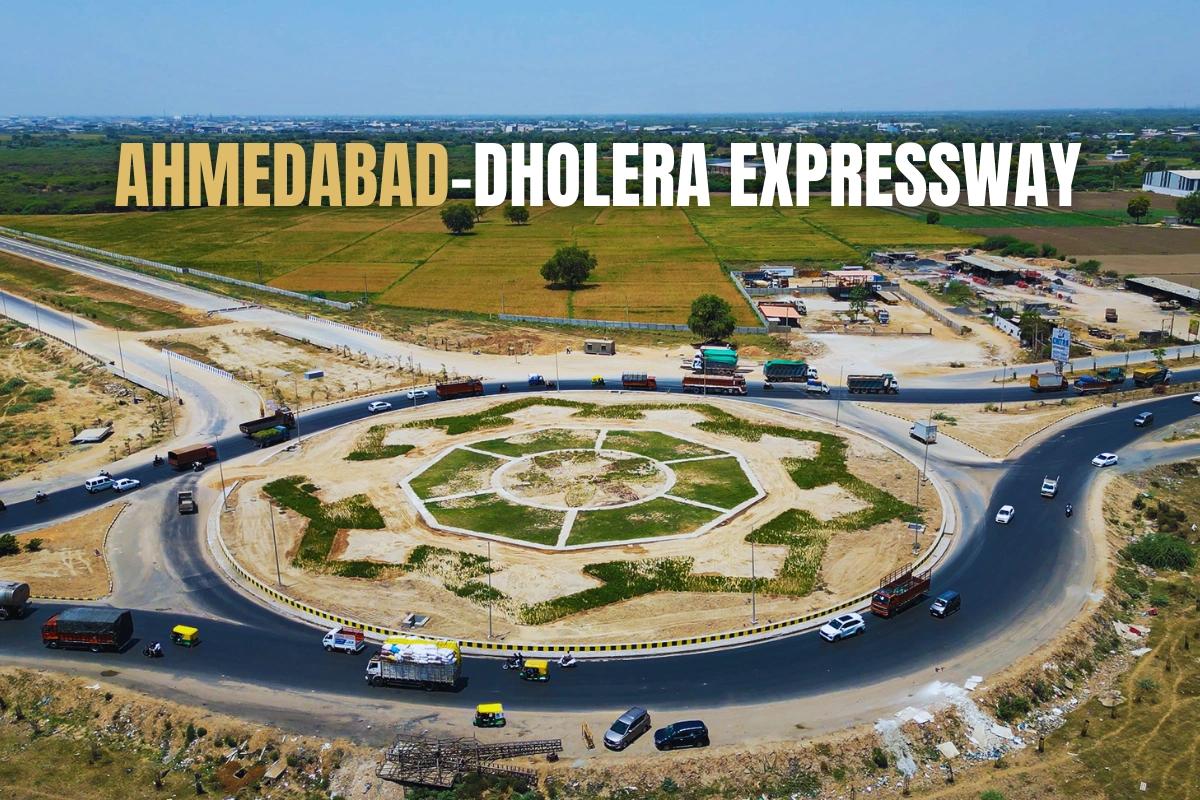
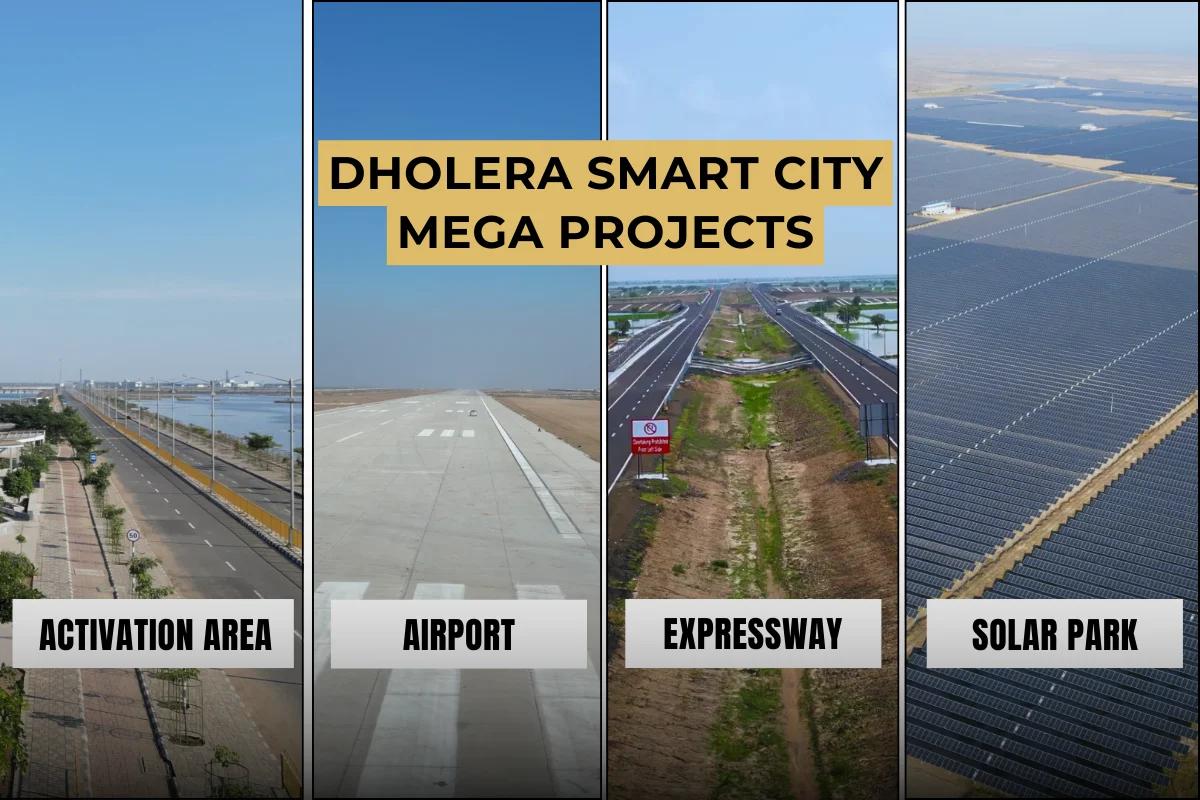
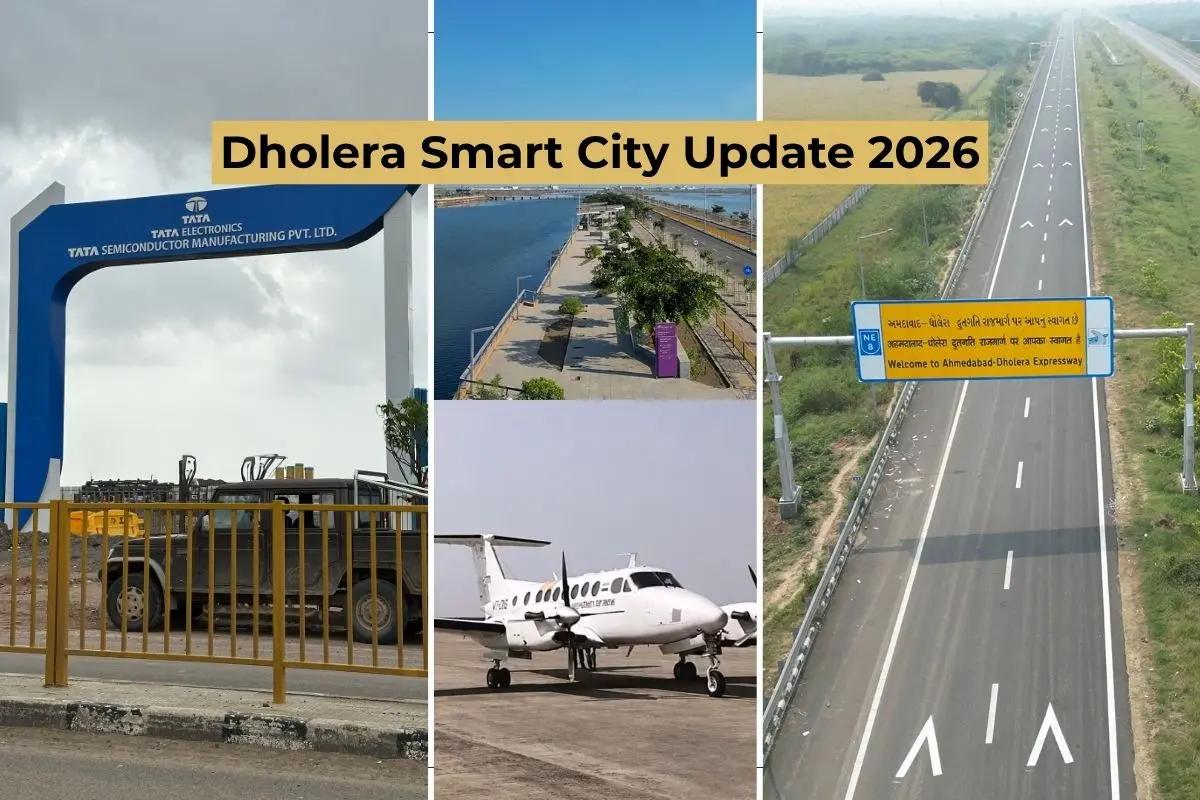
Located along the Ahmedabad-Dholera Expressway, Dholera SIR is emerging as a global manufacturing hub powered by renewable energy. The Dholera Solar Park, one of India’s largest renewable energy zones, and the Dholera International Airport are set to further boost the region’s industrial growth and connectivity.
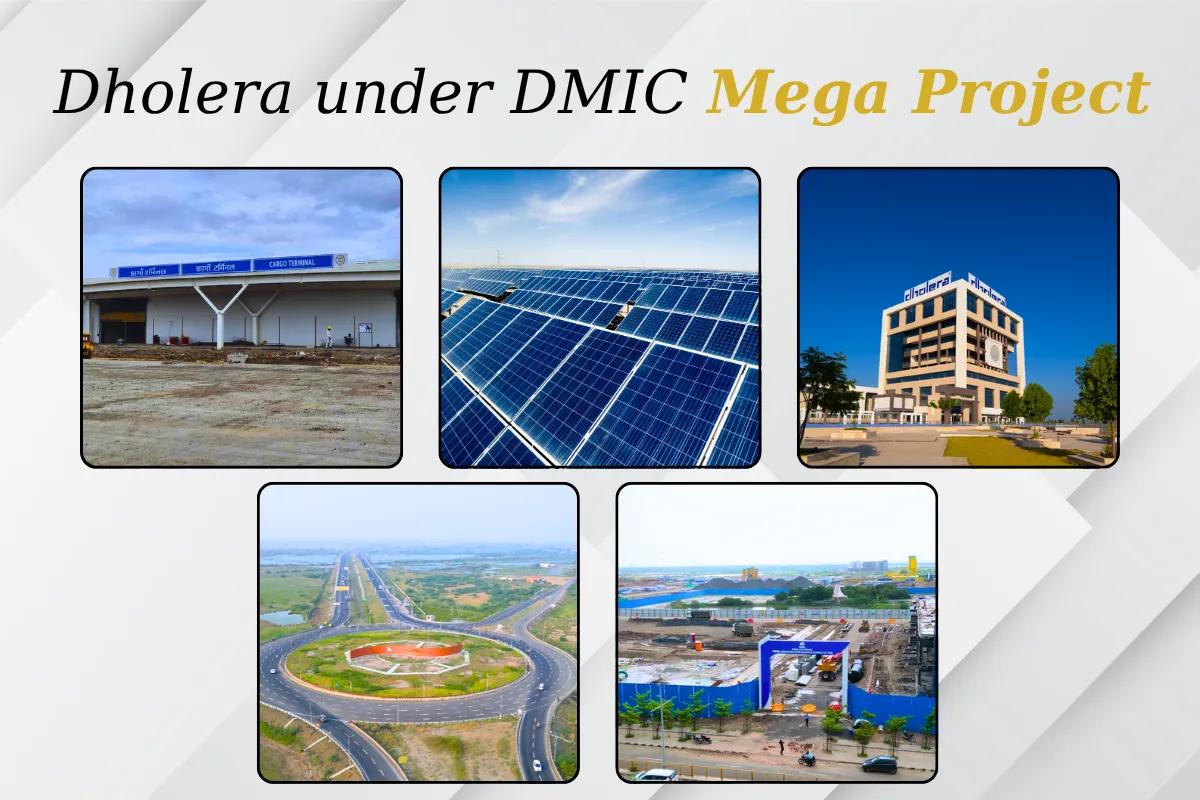
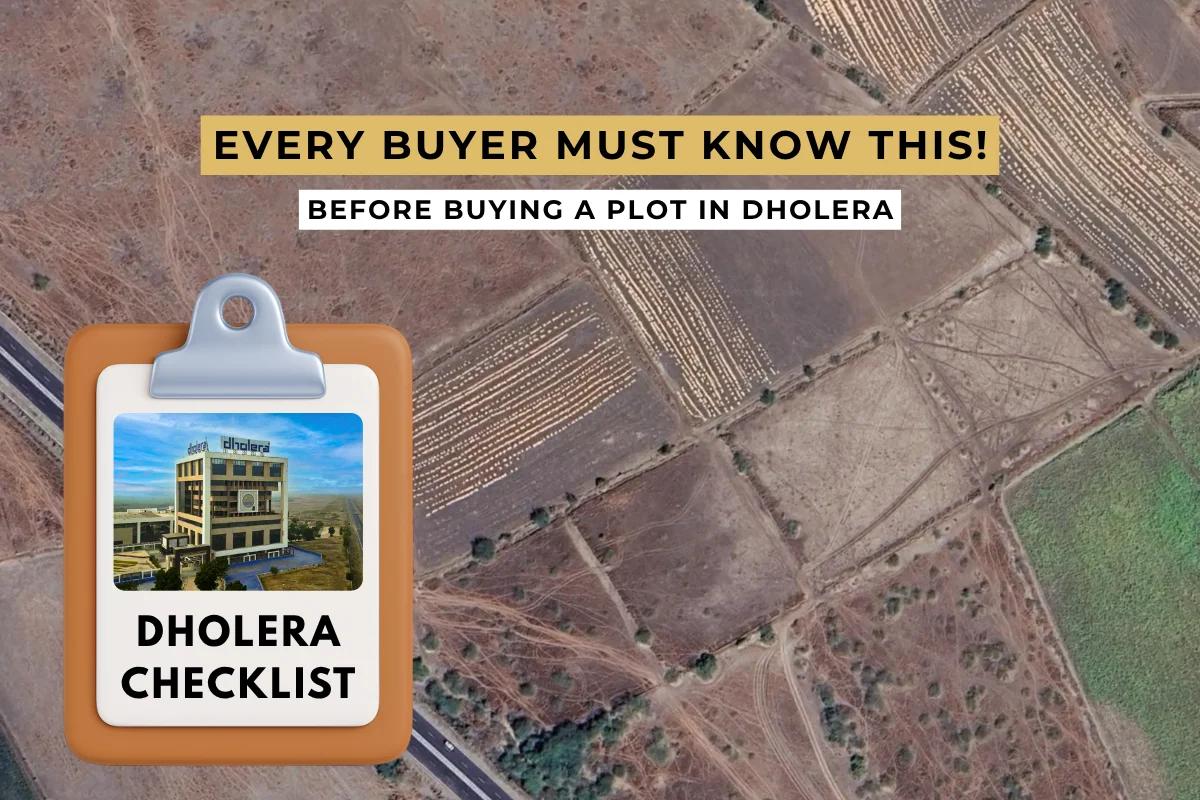
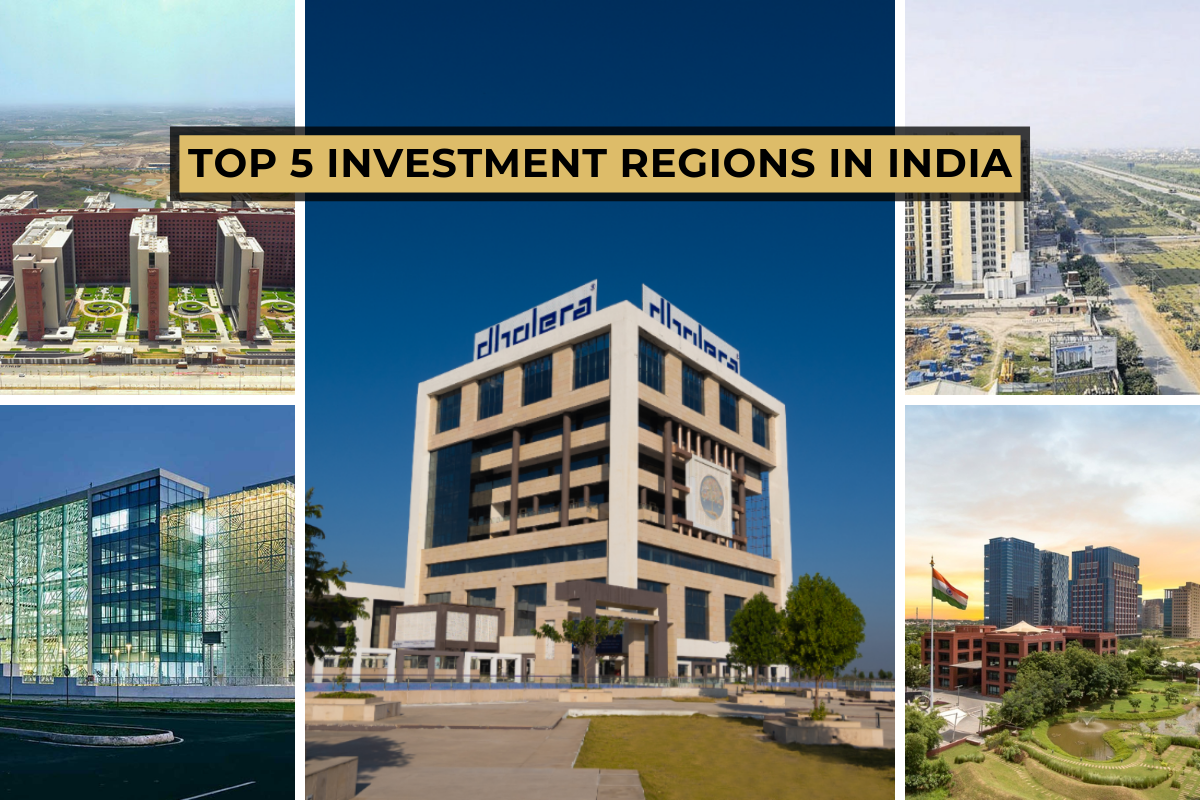
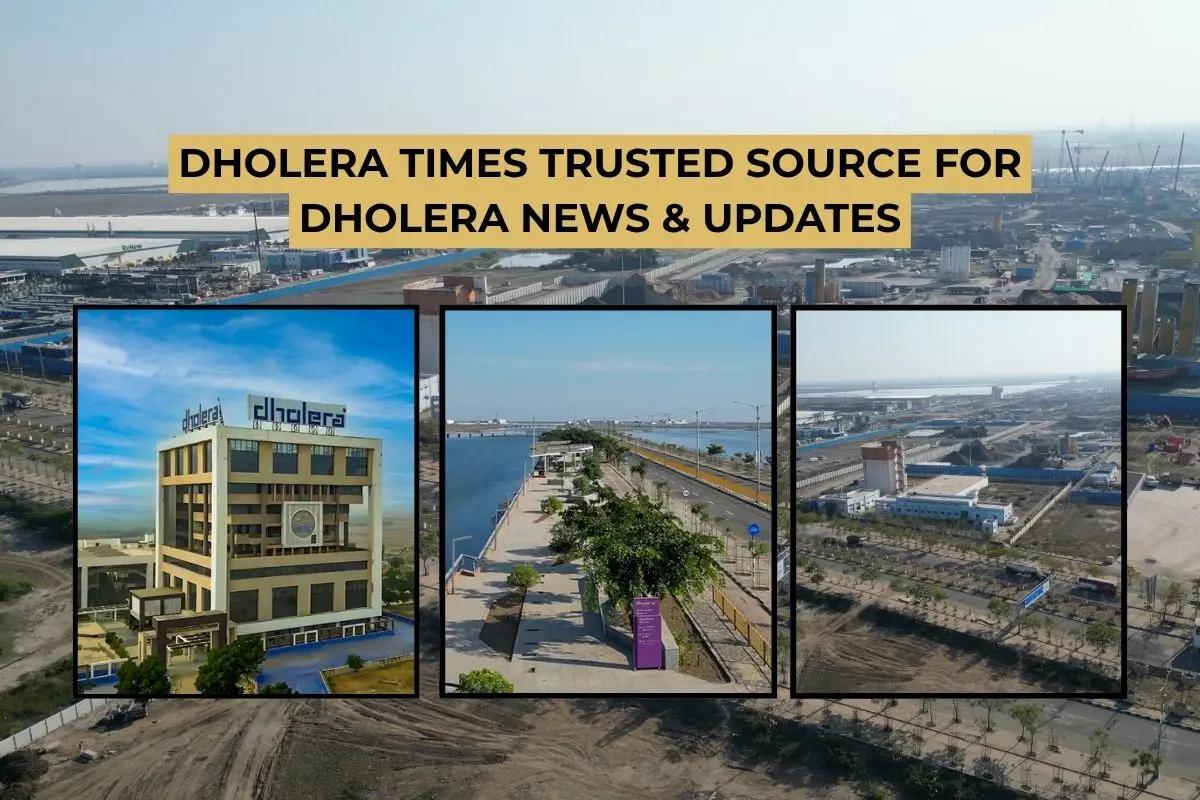
The ABCD Building in Dholera, serving as the project’s administrative hub, showcases the city’s advanced planning and integrated design. This smart city exemplifies modern infrastructure with automated traffic systems, efficient waste management, and energy-efficient designs.
Connectivity: Strengthening India’s Transport Backbone
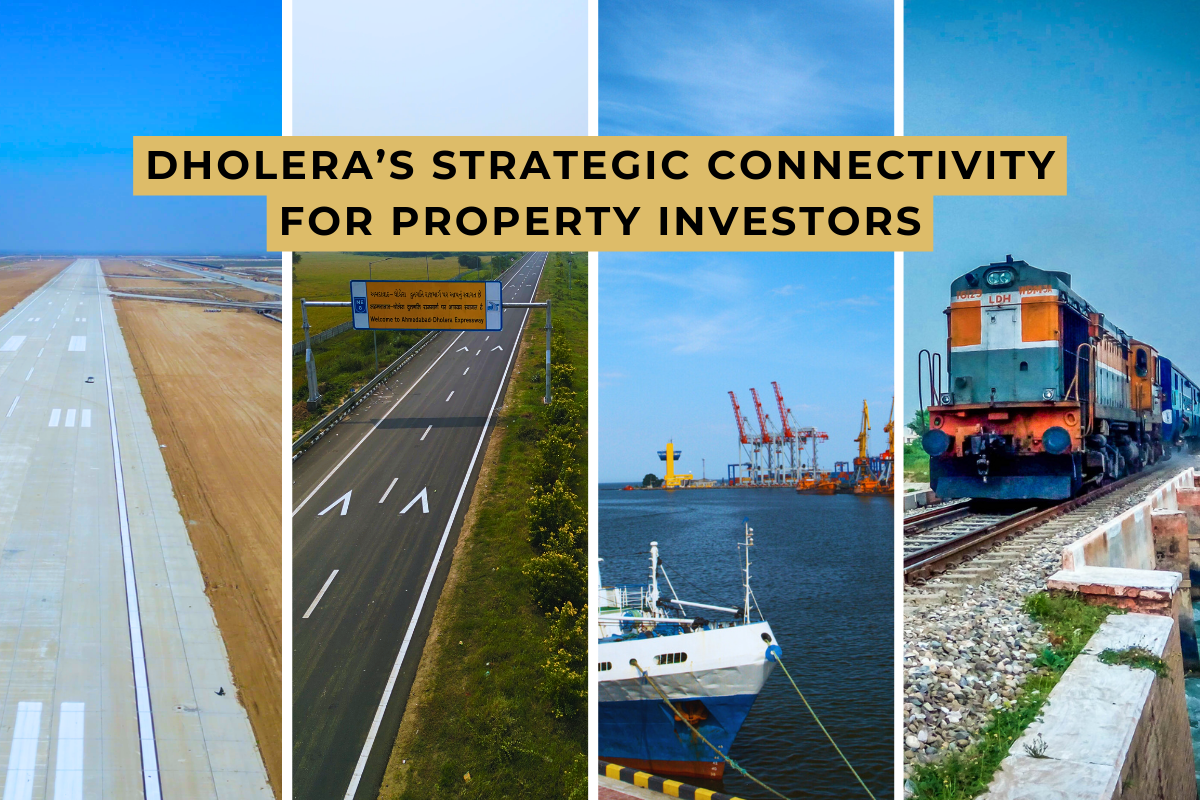
The DMIC’s multi-modal connectivity includes high-speed cargo lines, six greenfield airports, and a six-lane highway connecting Delhi and Mumbai. Key routes like the Ahmedabad–Dholera Expressway play a vital role in linking major industrial nodes.
The Dholera to Ahmedabad distance of roughly 100 km ensures quick access to Ahmedabad Smart City, enhancing industrial synergy between Gujarat’s major growth centers. This connectivity will not only facilitate logistics but also boost Dholera land investment and industrial setup opportunities.
Dholera: Gujarat’s Industrial Powerhouse
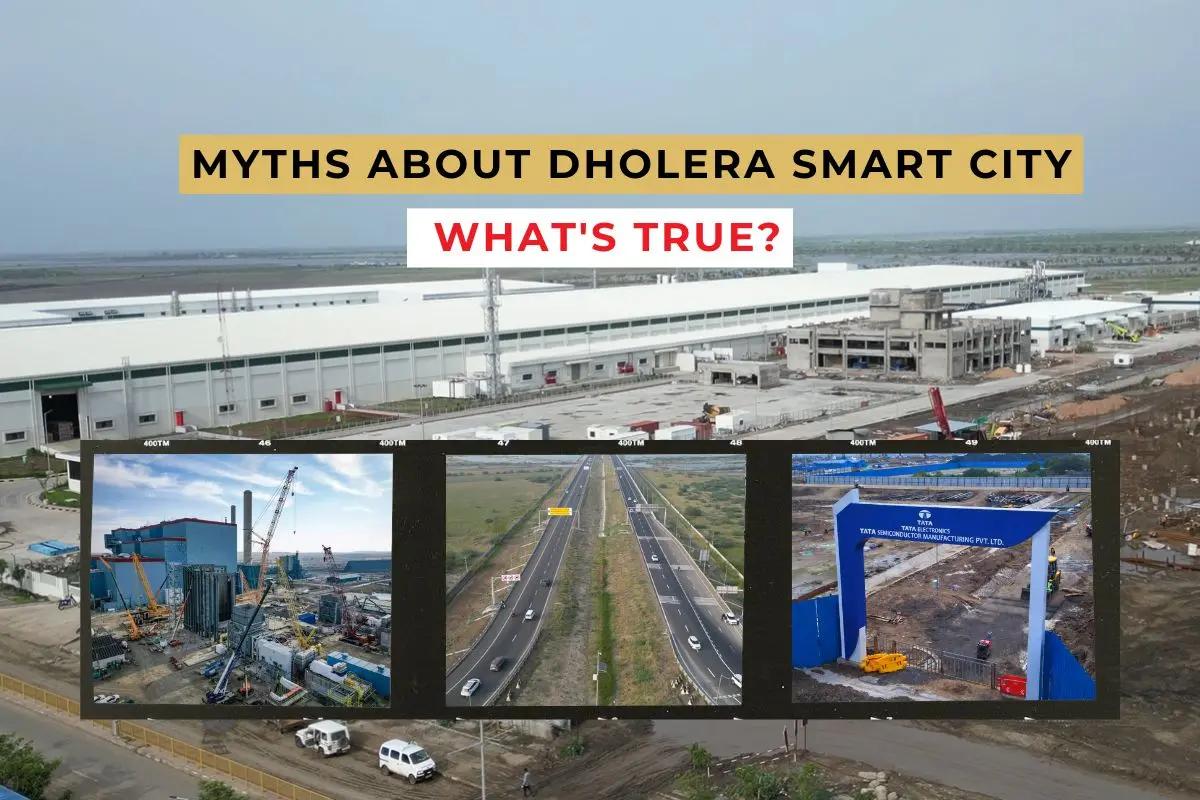
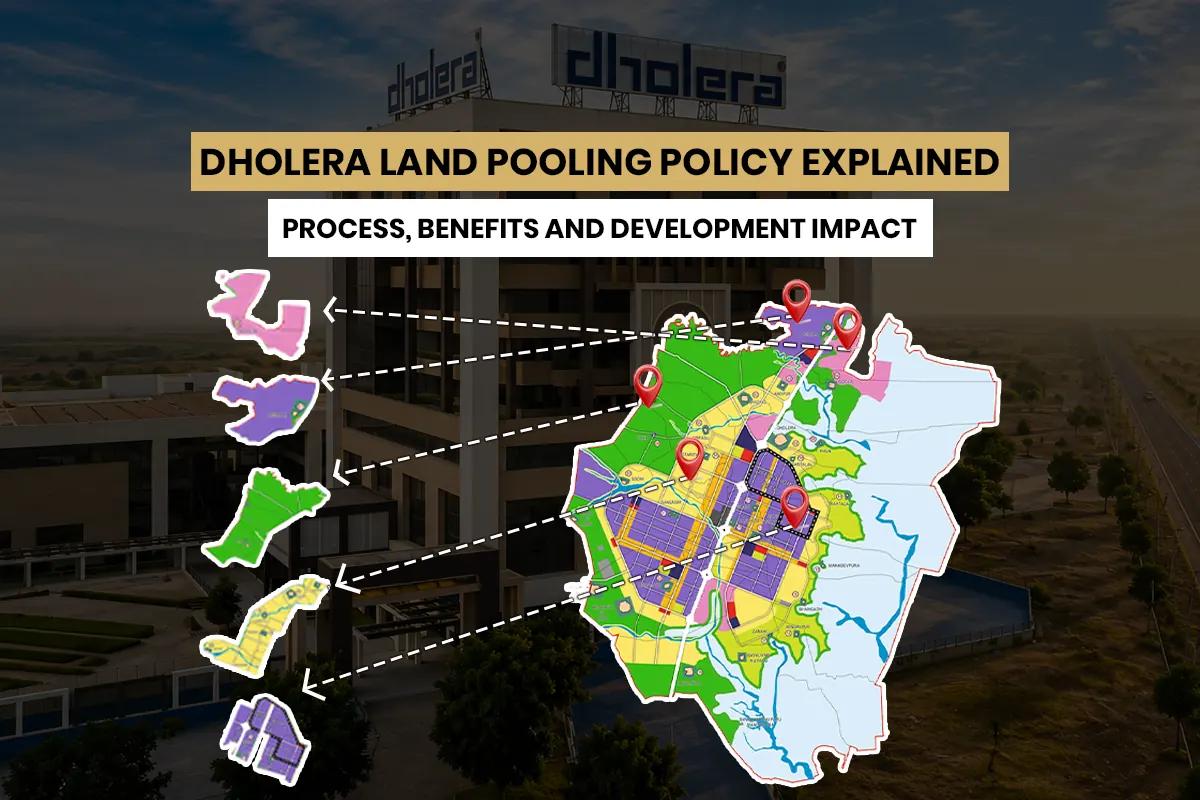
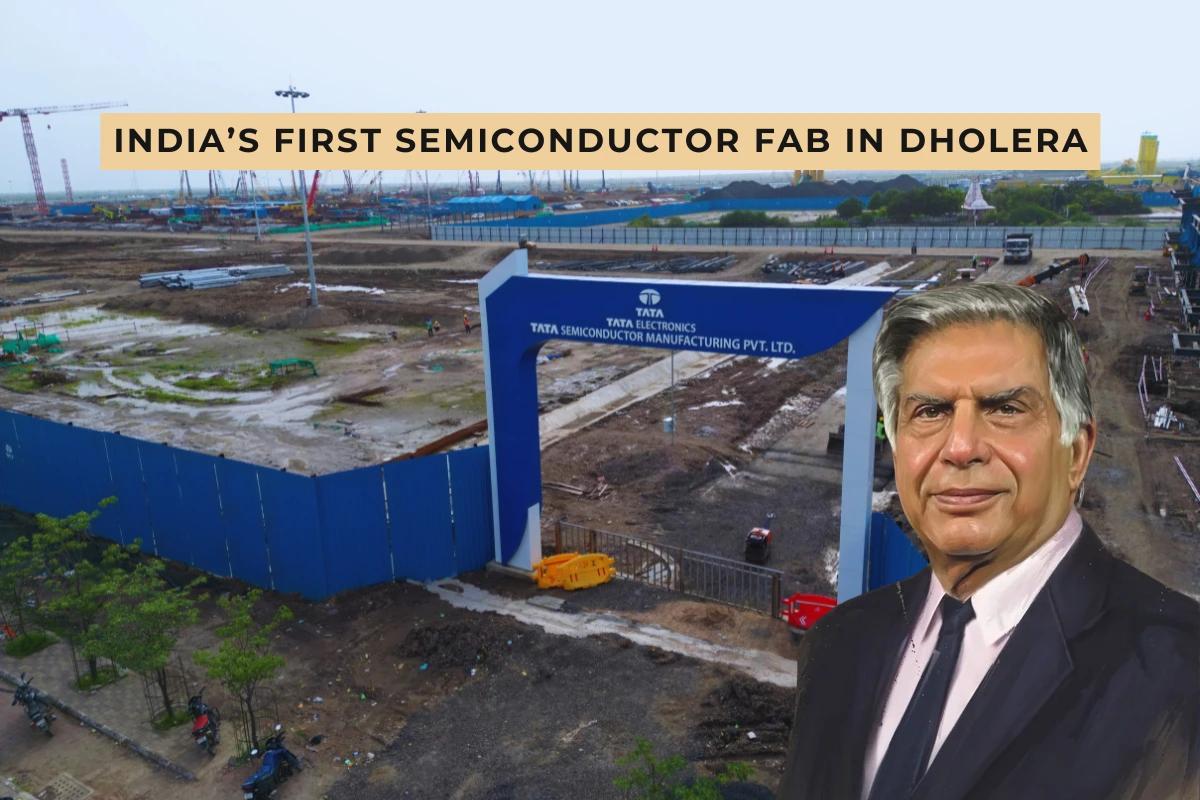
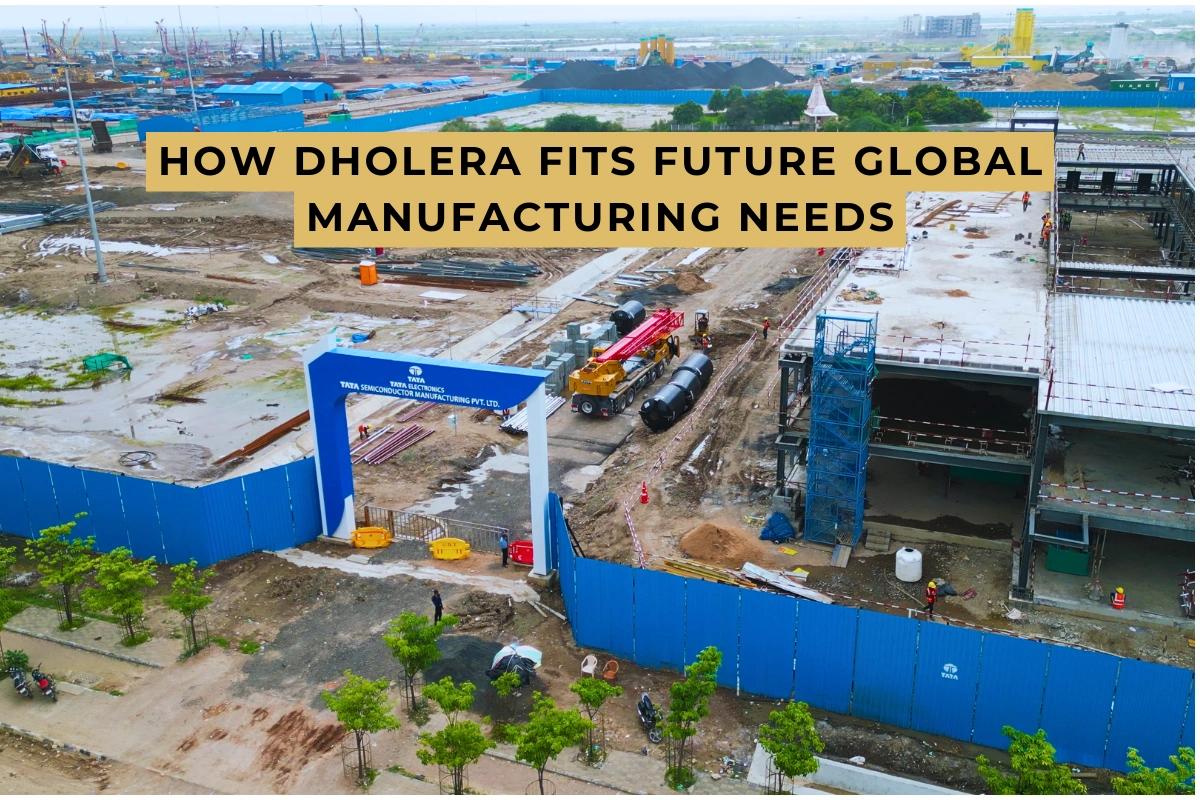
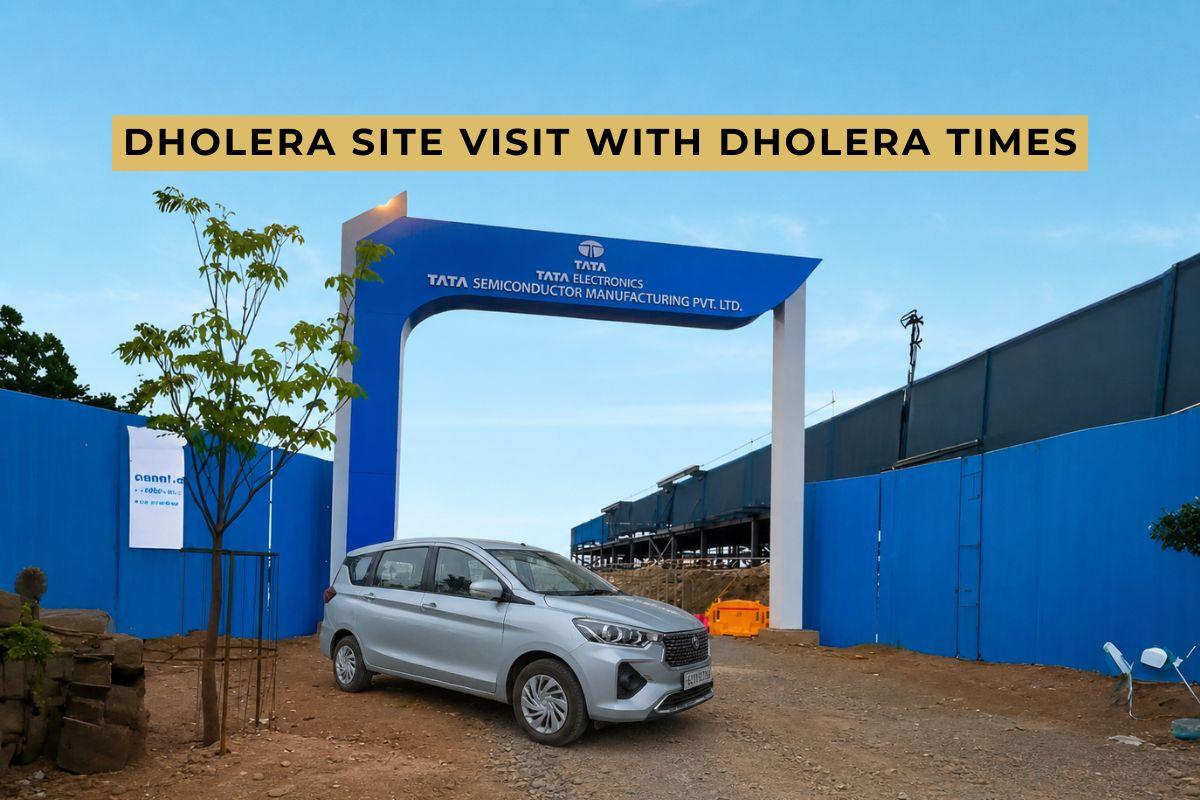
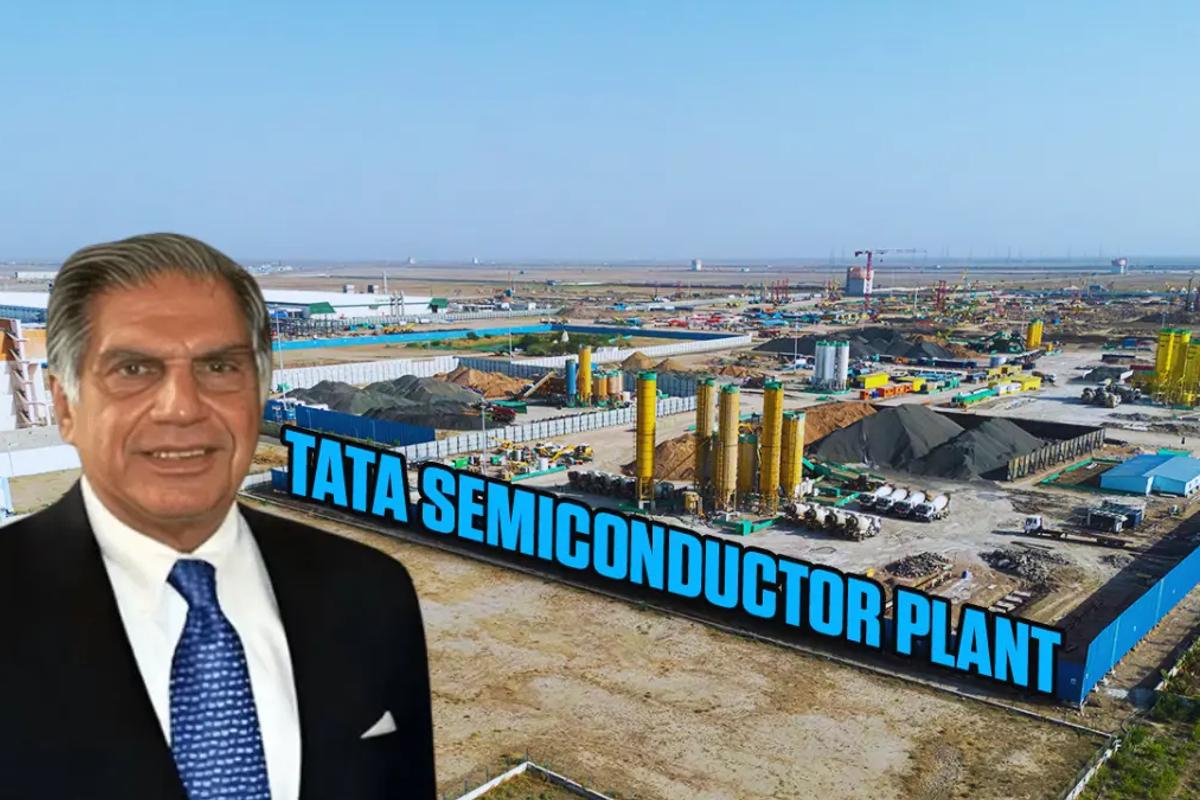
The Dholera Special Investment Region (SIR) stands out as a model of sustainable development within DMIC. Spread across 920 sq km, it is designed to host industries ranging from renewable energy to semiconductor manufacturing in India.
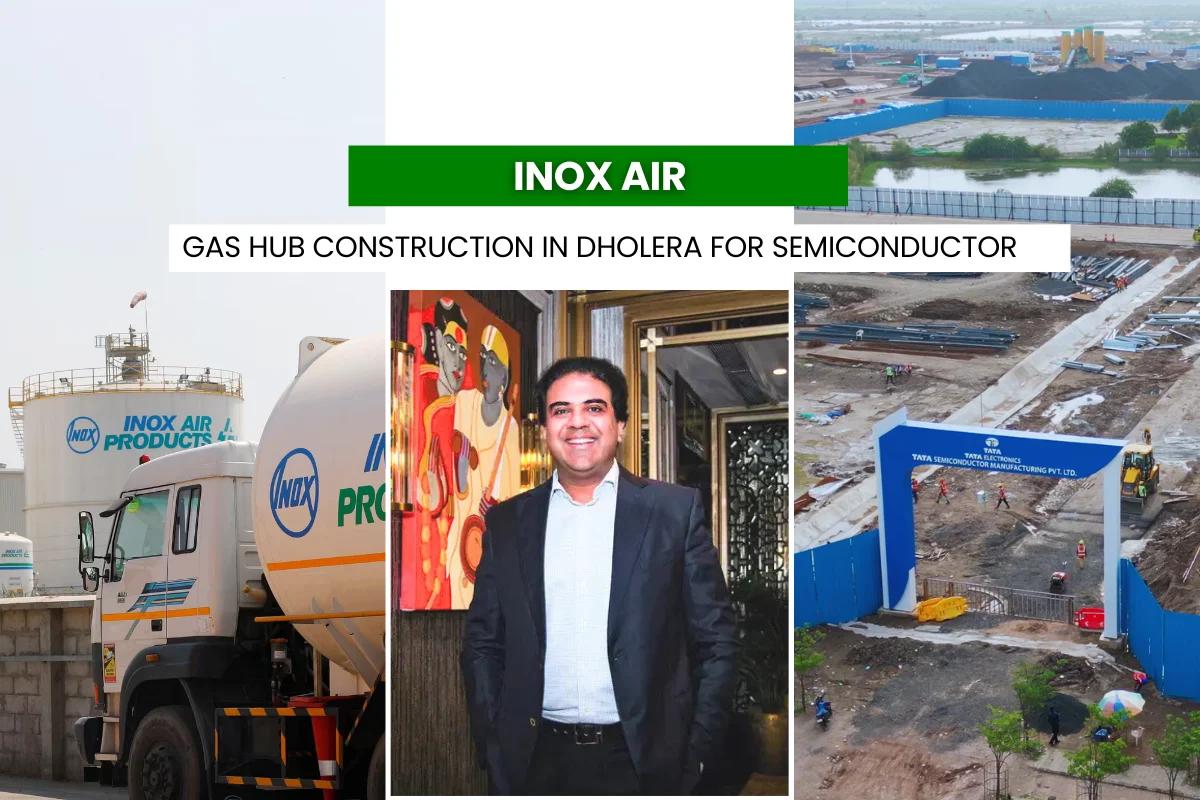
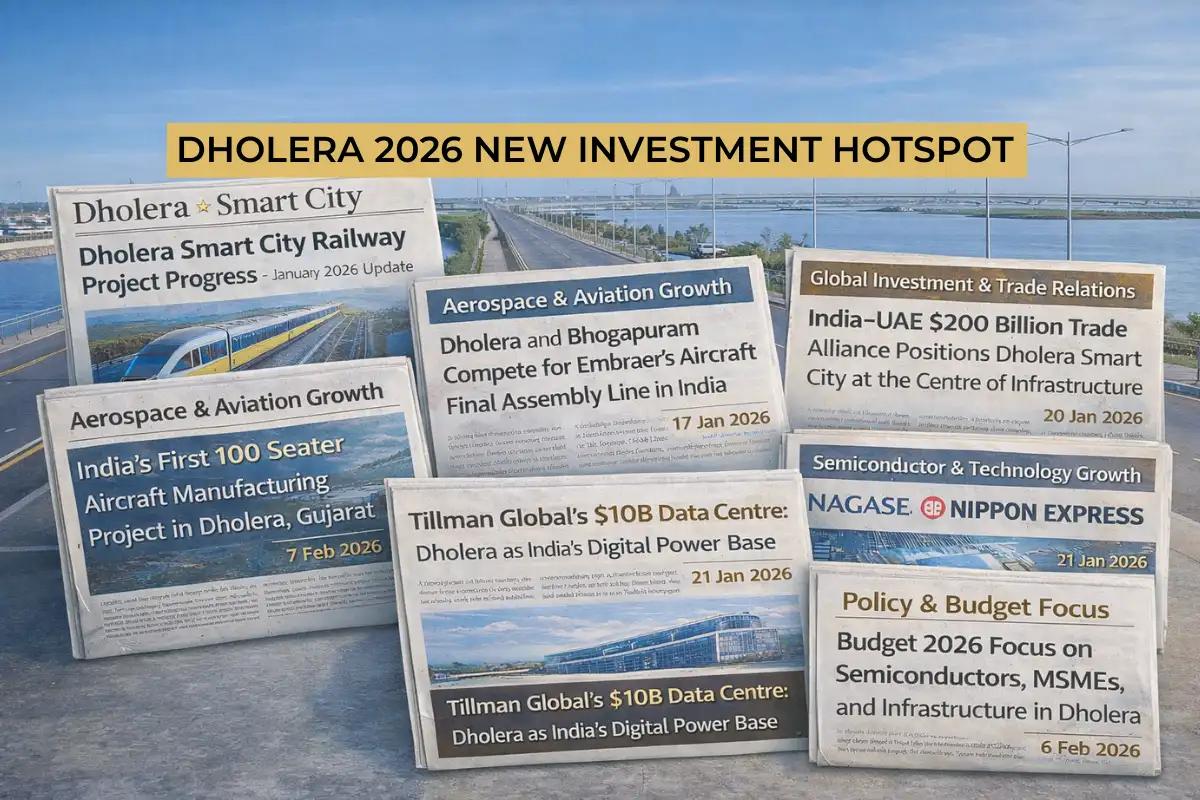
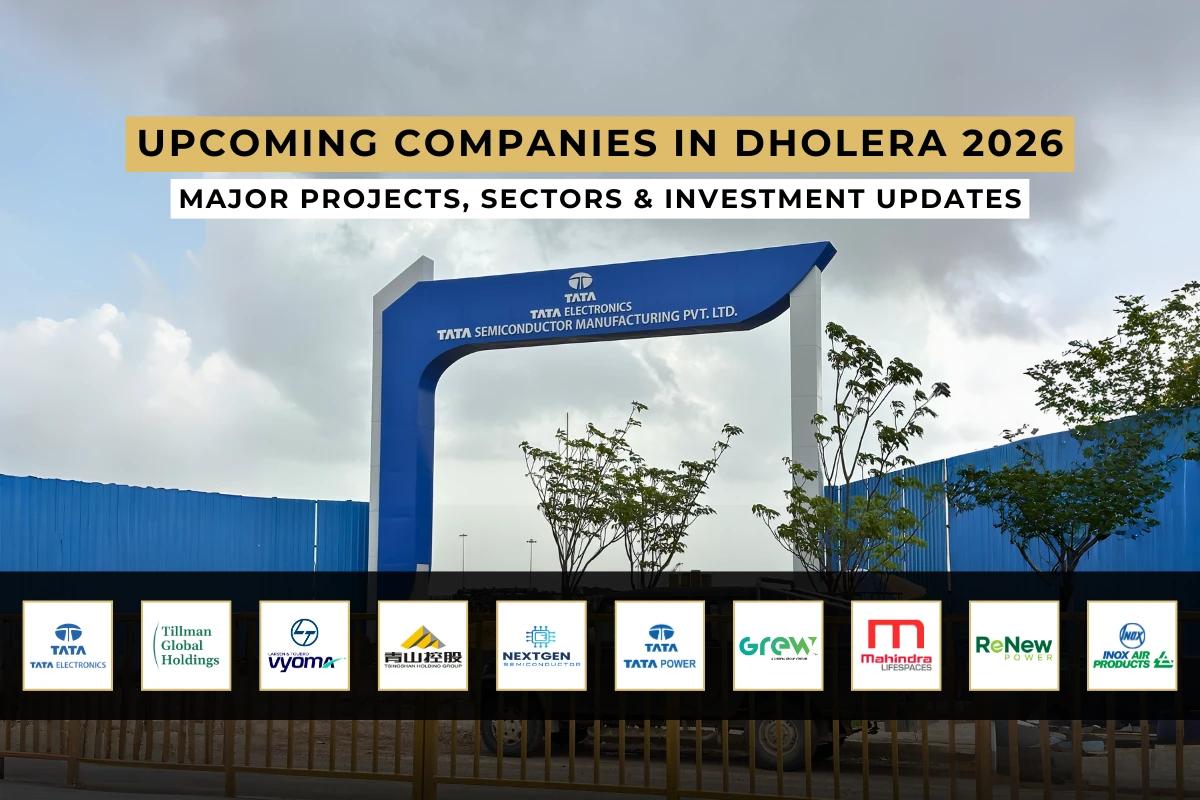
The Dholera port, coupled with the upcoming Dholera International Airport, ensures global connectivity. With growing interest from companies like Jabil India and Tata Power’s solar initiatives, Dholera city’s progress signifies India’s shift toward technology-driven and sustainable industrialization.
Economic and Employment Impact
DMIC’s estimated USD 100 billion investment will generate over three million jobs, attracting both domestic and international investors. With improved logistics, lower transport costs, and advanced smart city infrastructure, DMIC will make Indian exports more competitive.
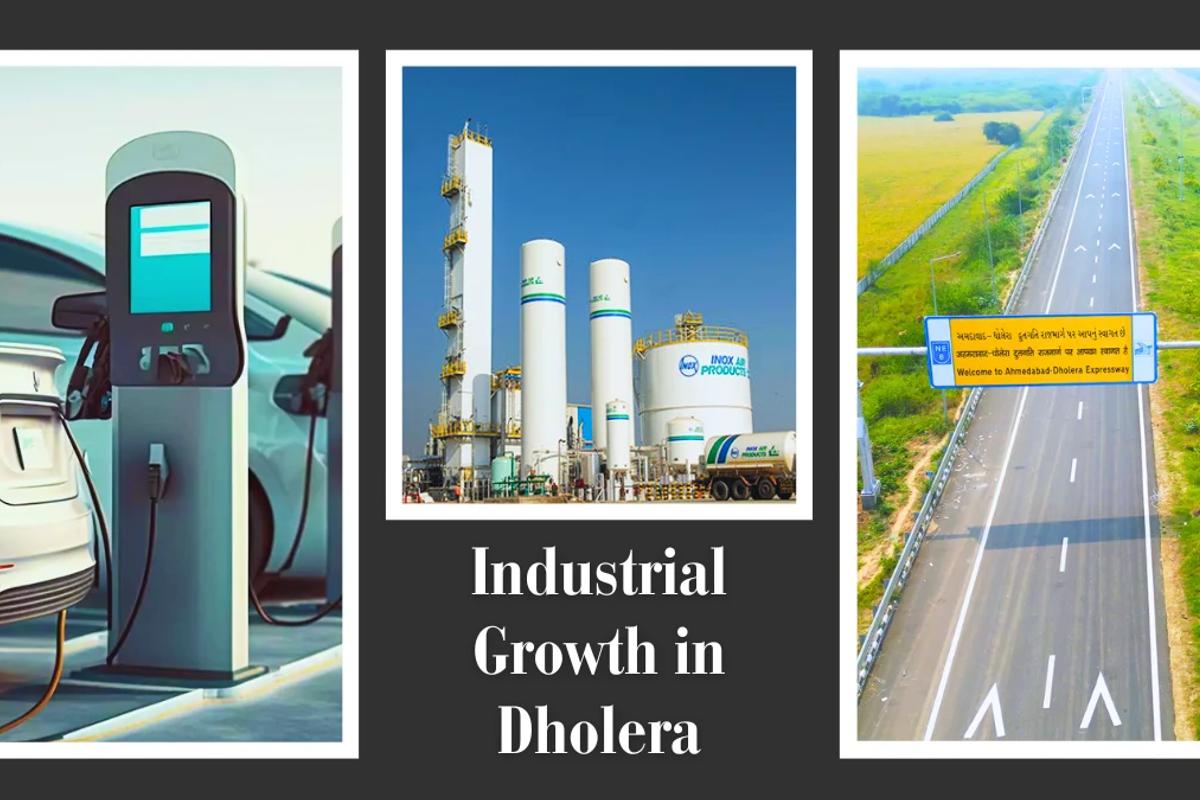
Projects like Dholera Smart City, Shendra-Bidkin Industrial Area, and Greater Noida nodes are already attracting investments across sectors like electronics, automobiles, and renewable energy.
Challenges and the Road Ahead
Despite challenges in land acquisition and administrative delays, DMIC continues to make steady progress. Government reforms, infrastructure financing, and technology-driven execution have accelerated work on nodes like Dholera SIR and Aurangabad Industrial City.
As more nodes become operational, the DMIC is set to redefine industrial growth and urbanization across India. The Dholera SIR investment potential and its smart city progress position it as a leading model for future industrial corridors.
Conclusion
The Delhi-Mumbai Industrial Corridor is not merely an infrastructure project. It’s a catalyst for India’s industrial renaissance. With integrated smart cities like Dholera, cutting-edge infrastructure, and sustainable growth practices, the DMIC stands poised to transform India into a global economic powerhouse.
As Dholera Smart City advances with world-class facilities, renewable energy zones, and seamless connectivity via the Ahmedabad–Dholera Expressway, it represents the future of industrial and urban development in India.
Frequently Asked Questions
Q: Why is the Delhi-Mumbai Industrial Corridor important for Dholera?
A: The Delhi-Mumbai Industrial Corridor is important for Dholera because the article positions Dholera as the flagship and largest greenfield smart city under DMIC, with stronger industrial growth, connectivity, and infrastructure support.
Q: What does the USD 100 billion DMIC investment mean for Dholera?
A: This investment signals larger industrial development, better logistics, and stronger long-term growth potential for Dholera as part of the wider Delhi-Mumbai Industrial Corridor plan.
Q: Is Dholera the main smart city under the Delhi-Mumbai Industrial Corridor?
A: The article describes Dholera Smart City as the flagship and largest greenfield industrial township under DMIC, which is why it gets major attention in corridor-related updates.
Q: Why is the Delhi-Mumbai Industrial Corridor update getting so much attention?
A: This update is getting attention because DMIC is presented as one of India’s biggest infrastructure and industrial plans, with Dholera, expressway connectivity, airport development, and industrial expansion all linked to it.
Q: Does the Delhi-Mumbai Industrial Corridor make every Dholera project a good option?
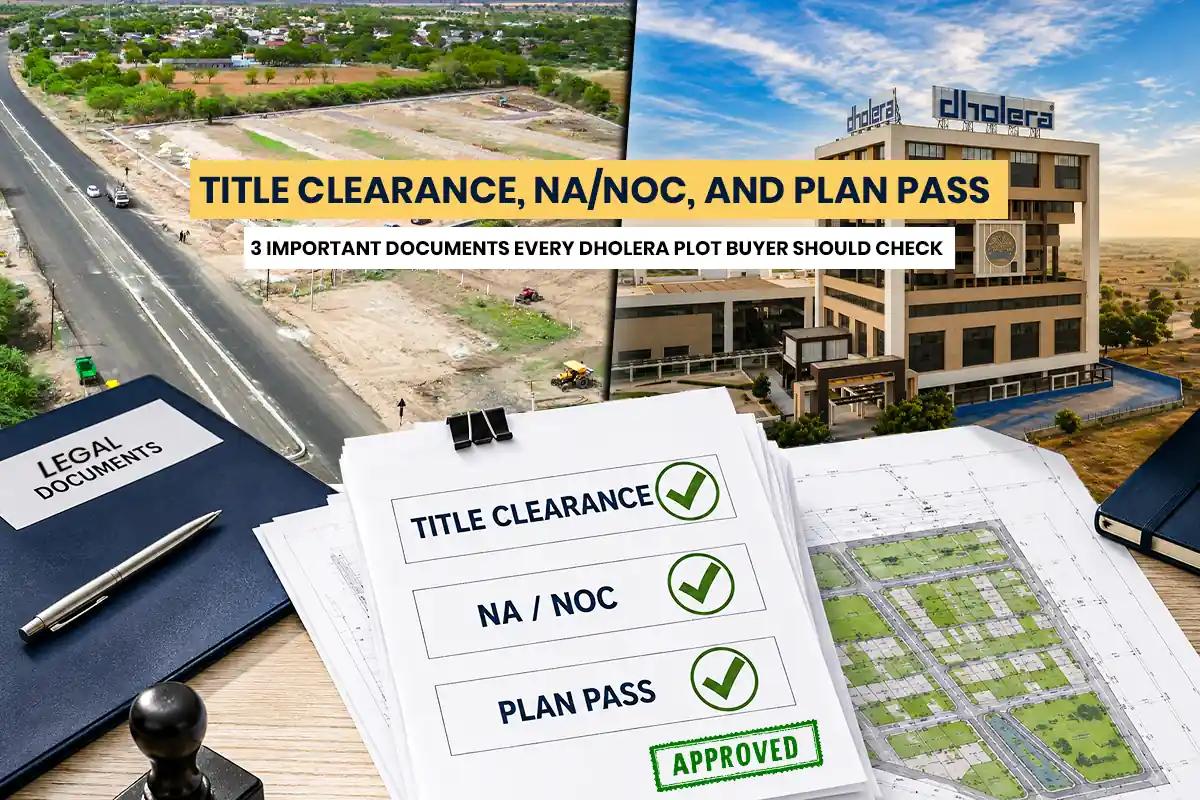
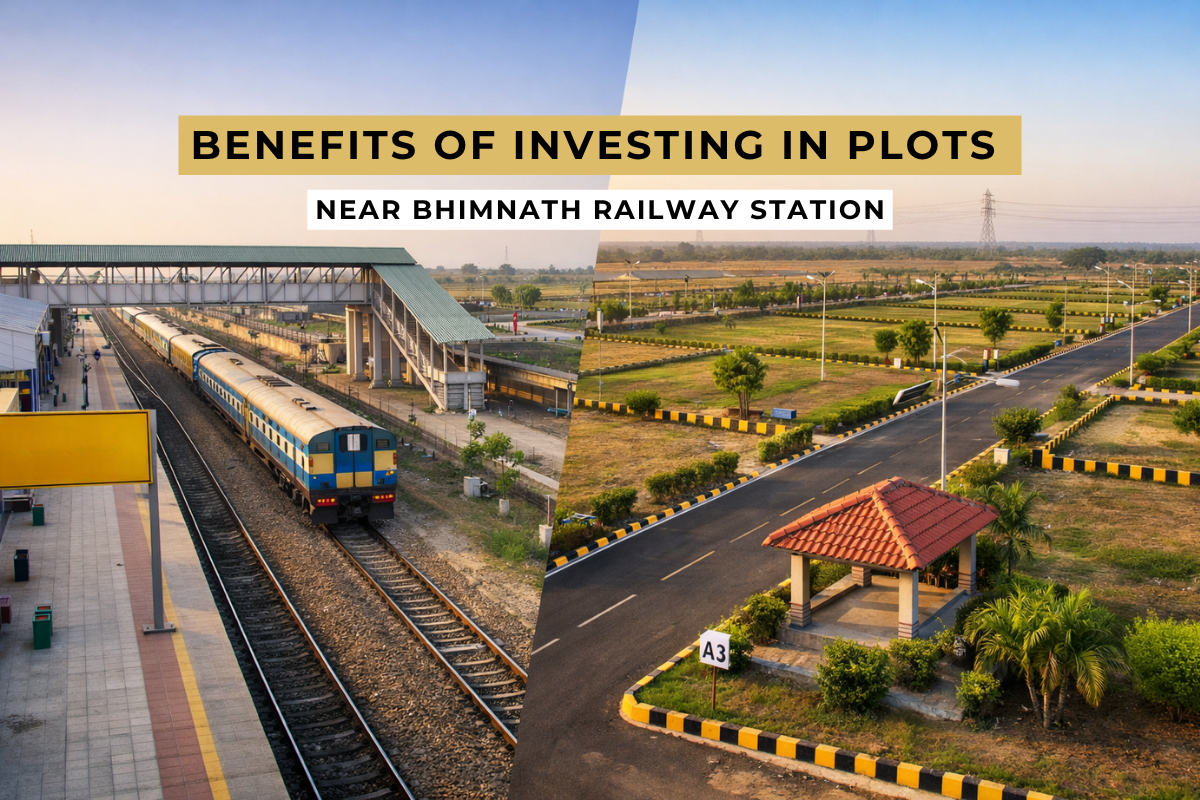
A: No. A major DMIC update can strengthen overall interest in Dholera, but readers should still check location, legal clarity, project documents, and connectivity before making any decision.
Share With Your Friends & Family: