Fujifilm India Signs MoU with Gujarat Government: Big Boost for Dholera SIR's Semiconductor Dream

Key Highlights
Japan's electronics giant Fujifilm India has just made a move that puts Dholera back in the global spotlight. The company has signed a Memorandum of Understanding (MoU) with the Gujarat Government to explore setting up a semiconductor materials manufacturing unit right here in the Dholera Special Investment Region (SIR). For anyone tracking Dholera's growth story, this is another strong signal that the region is fast becoming India's semiconductor powerhouse.
What Exactly Was Signed, and Where?
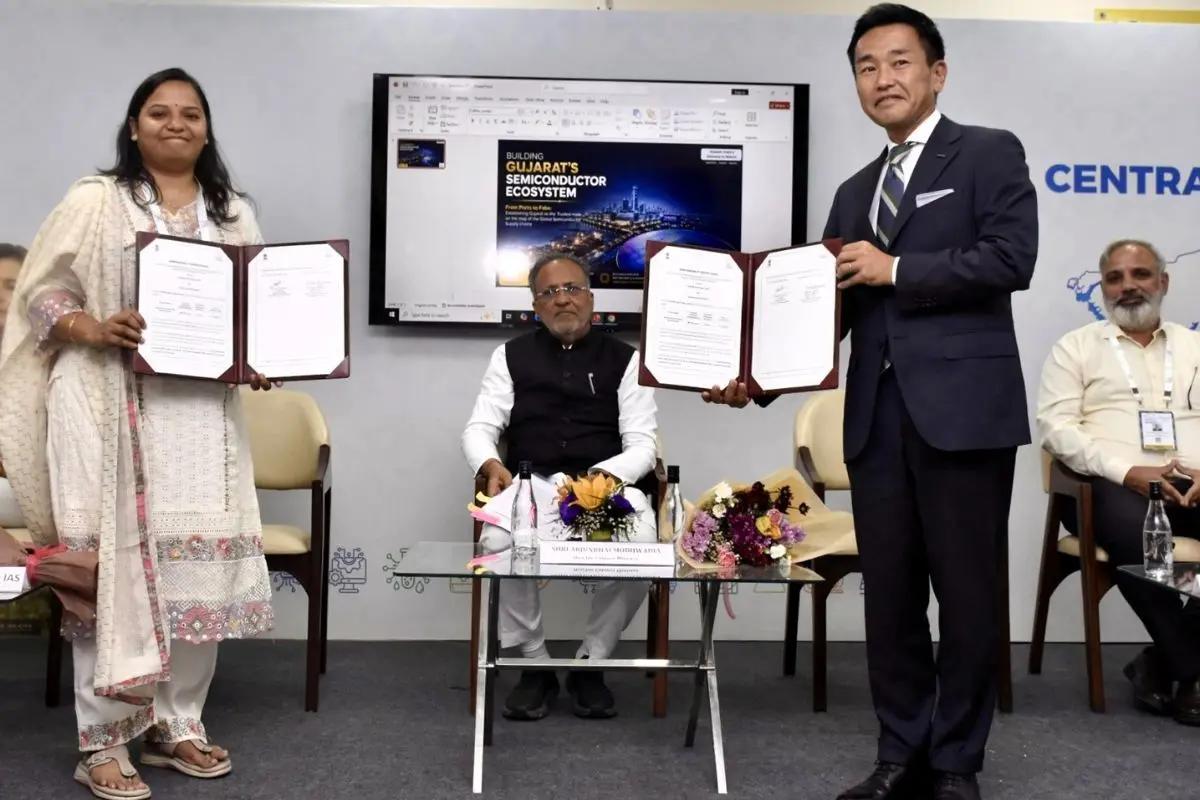
The MoU was signed between Fujifilm India and the Gujarat State Electronics Mission (GSEM), a body working under the state's Department of Science and Technology. The announcement was made at the Vibrant Gujarat Regional Conference held in Vadodara. Through this agreement, Fujifilm plans to study the feasibility of building a production base in Dholera SIR for semiconductor materials the specialised chemical formulations used in chip-making.
Why Fujifilm Is Looking at Dholera?
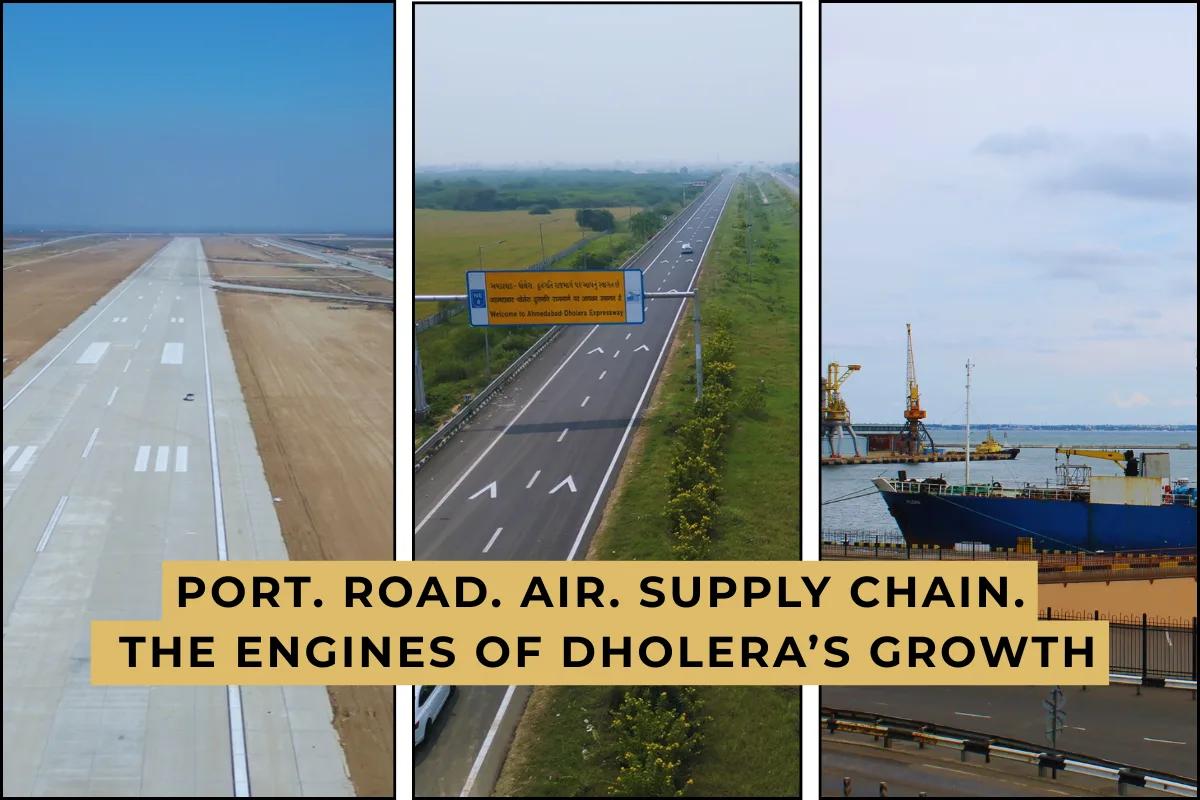
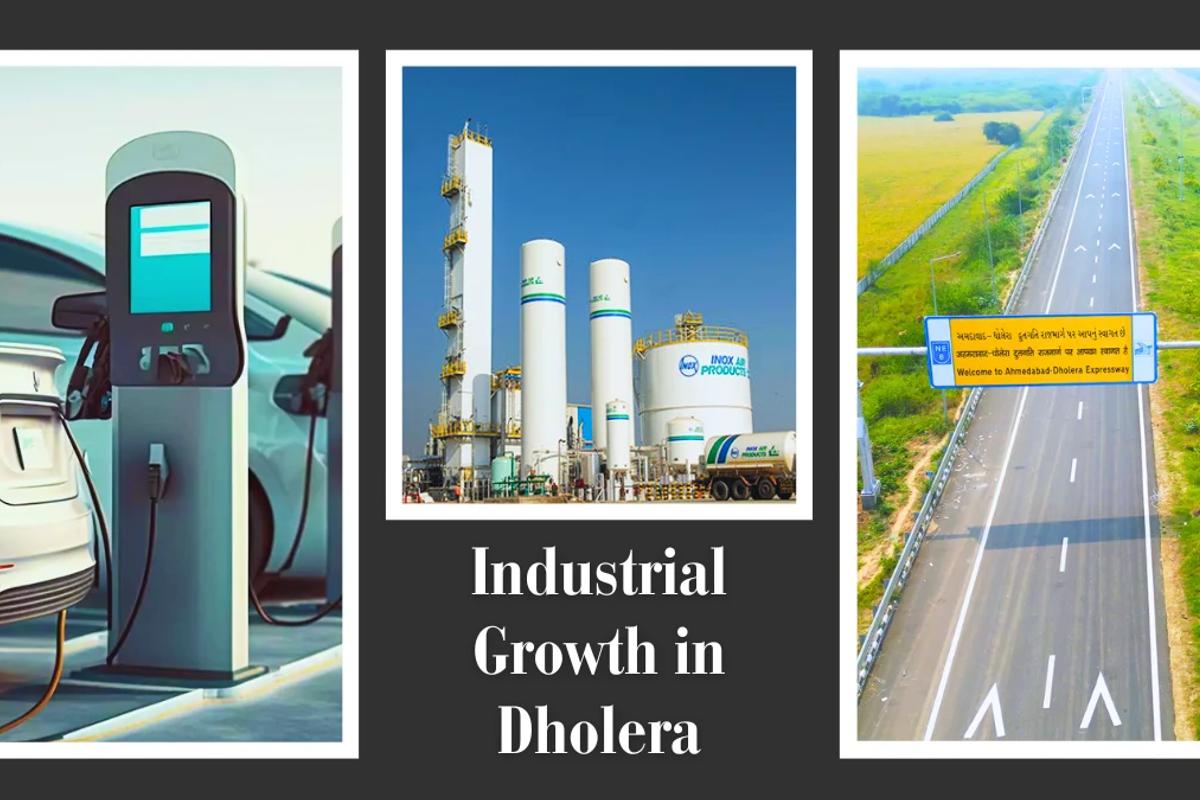
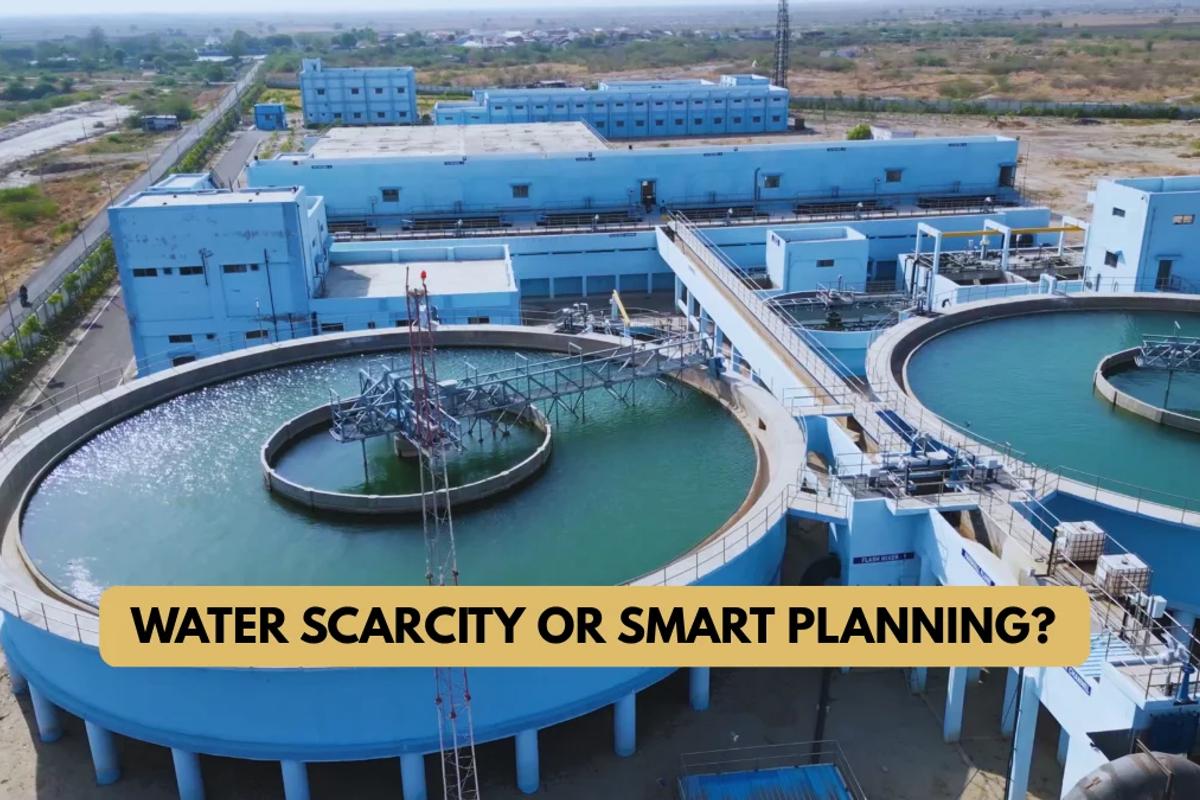
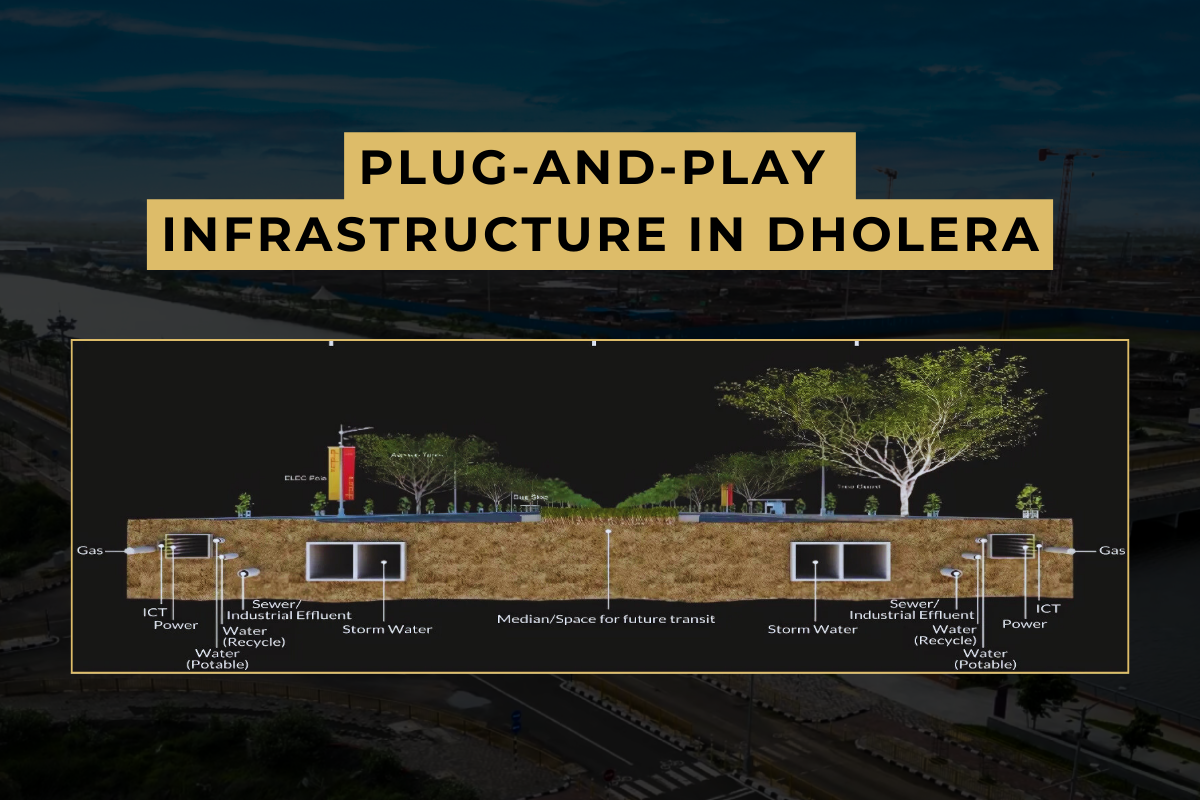
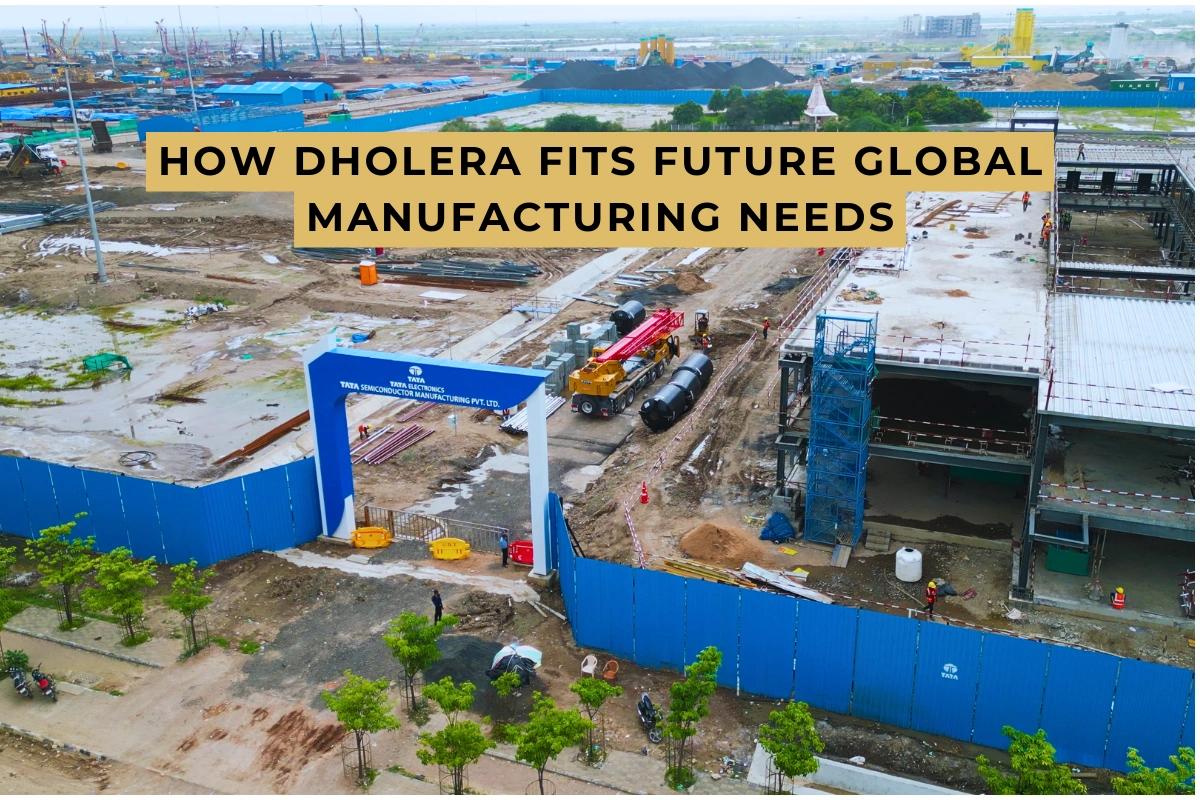
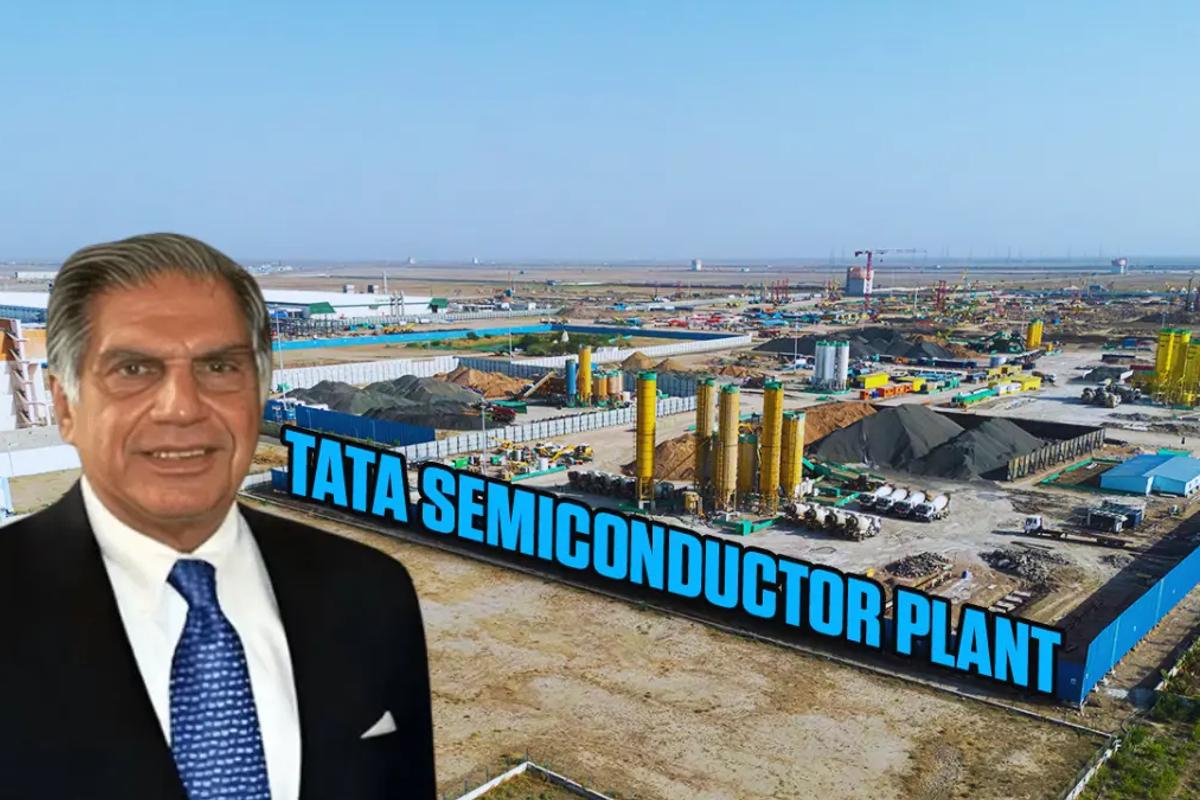
Semiconductor manufacturing needs near-perfect conditions: uninterrupted power, clean water, and rock-solid infrastructure. Dholera SIR has been built from the ground up with exactly these requirements in mind, which is why it has already attracted major names like Tata Electronics and Taiwan's PSMC. Fujifilm's interest adds further weight to Dholera's positioning as India's emerging "Semicon City."
The company's Managing Director, Koji Wada, said the MoU marks a key step toward the company's investment plans in Dholera, describing it as part of Fujifilm's broader effort to support India's growth and innovation goals. The company's Electronic Materials Division also highlighted its global expertise in supplying the chemical formulations that power critical semiconductor manufacturing processes.
How This Fits India's Bigger Semiconductor Push?
India currently depends heavily on imports for semiconductor materials and components. This MoU supports the government's Make in India initiative by encouraging local production, technology transfer, and a stronger domestic supply chain. Fujifilm already operates over 20 production facilities worldwide, and it now sees India and specifically Dholera as a strategic growth market.
What This Means for Dholera SIR Investors?
Impact Area What It Means Industrial Demand More global semiconductor players eyeing Dholera raises demand for industrial and logistics land Job Creation Manufacturing plants bring skilled and semi-skilled employment opportunities Real Estate Growth Rising investor confidence typically pushes up land and plot values around the SIR Infrastructure Push More MoUs mean faster infrastructure development to support new industries
Every fresh MoU signed for Dholera adds another layer of credibility to the region's long-term growth story something both industrial and residential investors are watching closely.
Conclusion
The Fujifilm-Gujarat MoU is still at the exploration stage, but it's a meaningful addition to Dholera SIR's growing list of global partnerships. As more companies commit to the region, Dholera continues moving closer to becoming a full-fledged semiconductor and manufacturing hub a trend that could shape investment decisions in the region for years to come.
Frequently Asked Questions
Q. What is the Fujifilm India and Gujarat Government MoU about?
A. Fujifilm India signed an MoU with the Gujarat State Electronics Mission to explore setting up a semiconductor materials manufacturing plant in Dholera SIR.
Q. Where will Fujifilm's proposed plant be located?
A. The company is evaluating a site within the Dholera Special Investment Region (SIR) in Gujarat.
Q. Why is Dholera attracting semiconductor companies?
A. Dholera SIR offers purpose-built infrastructure, reliable power and water supply, and government support, making it suitable for precision-heavy semiconductor manufacturing.
Q. How does this MoU affect Dholera's real estate market?
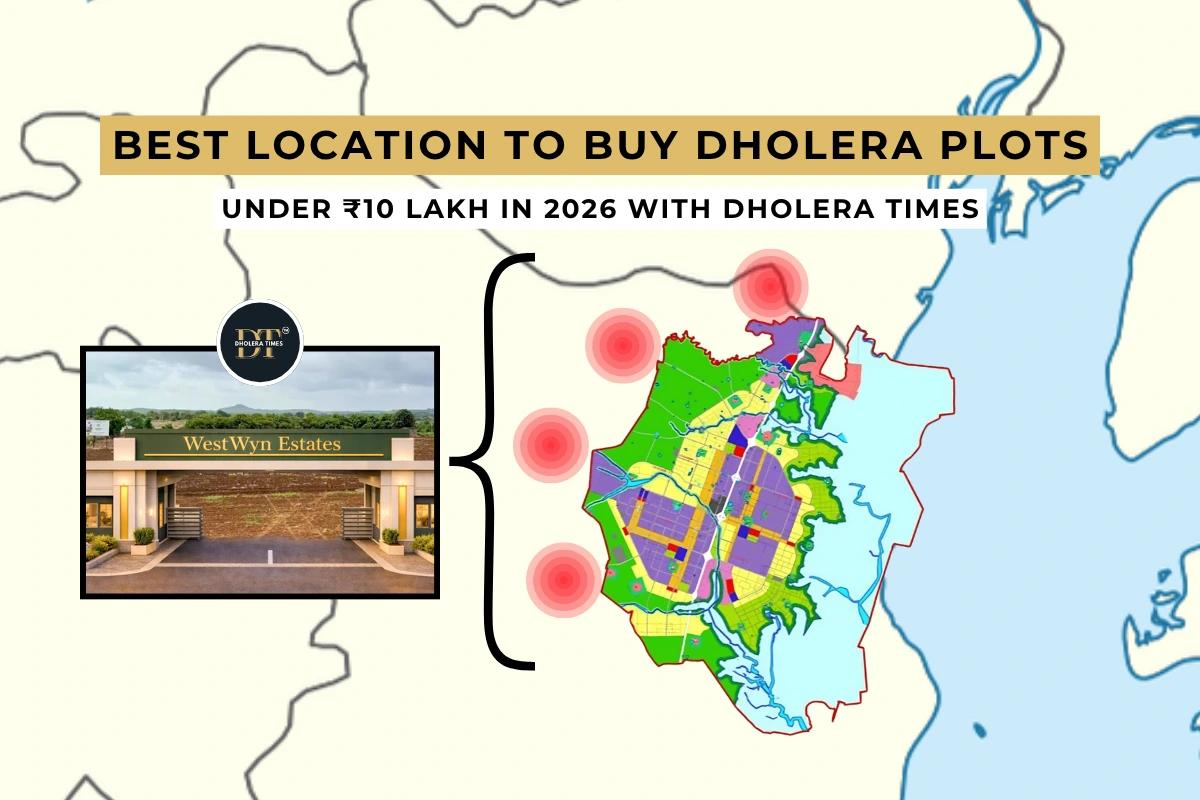
A. Increased industrial interest generally boosts demand for land and plots in and around the SIR, as more companies and their employees look to set up operations nearby.
Share With Your Friends & Family: